


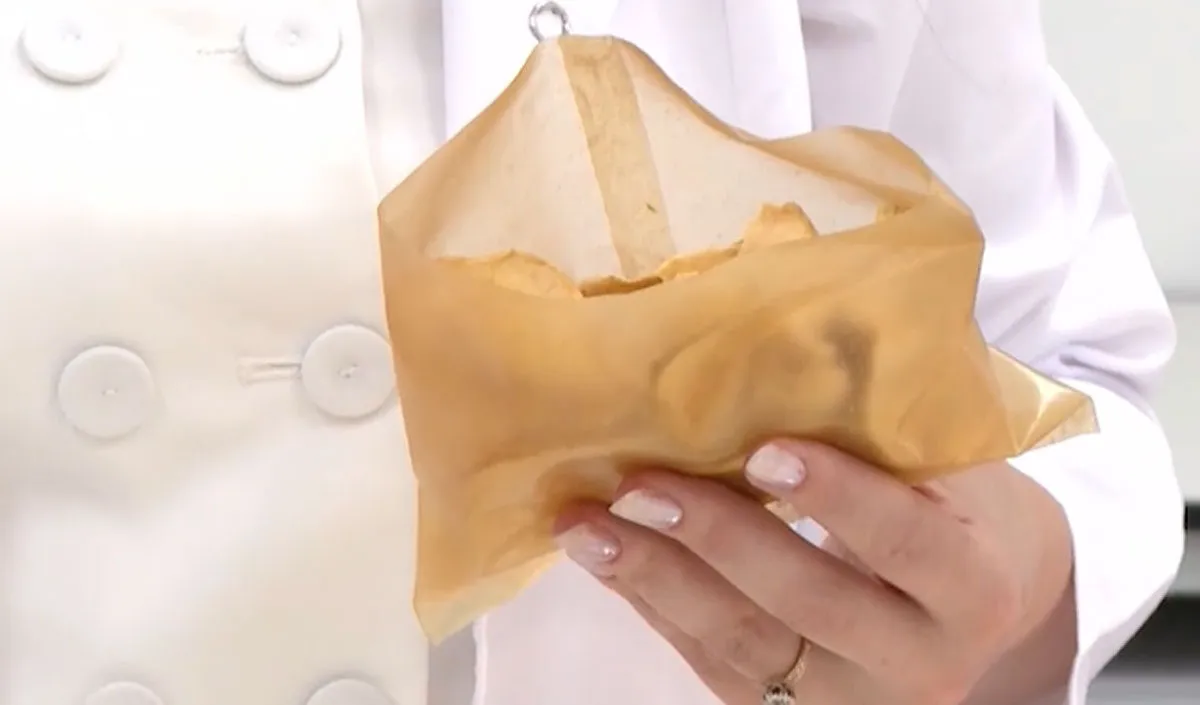
After processing, the organic waste is transformed into a thin material that is safe for contact with food, from which biodegradable bags and other packaging of various shapes and sizes can subsequently be made. It decomposes in water within 12 hours, and when it enters the soil, it is eaten by insects or breaks down within a few days.
This invention has a twofold benefit. Such packaging is not only environmentally friendly but also makes use of agricultural waste that would normally be discarded.
‘Significant volumes of agri-food waste are generated in Moldova every year. For example, in 2025, more than 70,000 tonnes of agricultural and horticultural produce remained outside any production cycle. Thanks to this technology, these resources are transformed into a biodegradable, safe and environmentally friendly material suitable for food packaging,” explained Olga Fedorova during a broadcast on one of Moldova’s radio stations.
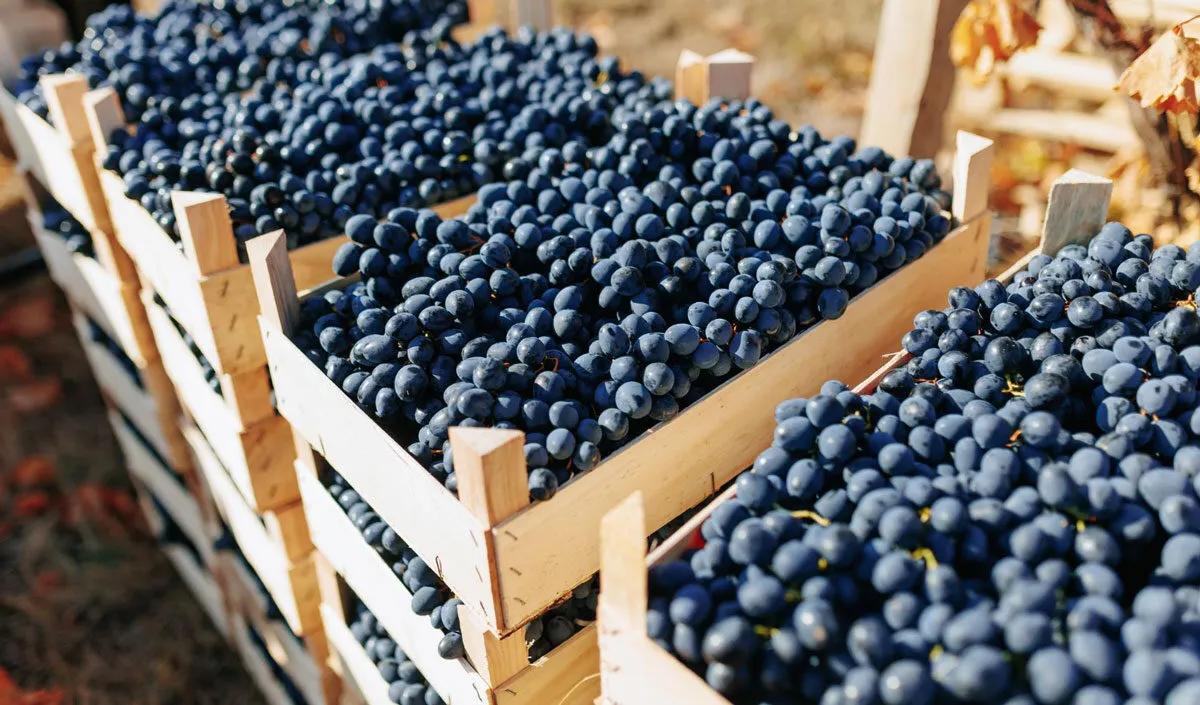
“We’ve managed to utilise everything that the agri-food sector refers to as waste: peel, pulp, pomace and leftovers. This packaging can be used in the food industry for snacks, dried fruit, protein bars, tea, spices, as well as bakery and confectionery products,” explained the inventor.
Once the innovation has been registered, the engineer plans to launch her own production of eco-friendly packaging. In the meantime, commercial testing of the invention is continuing.
This story was translated with the assistance of artificial intelligence.The translation was also reviewed by the Logos Press editorial team.
Follow our updates
Have information for the newsroom? Share it with Logos-Press





















Comments
0No comments yet. You can start the conversation.
Comments are open to readers with a Logos Press account.
Sign in to comment