


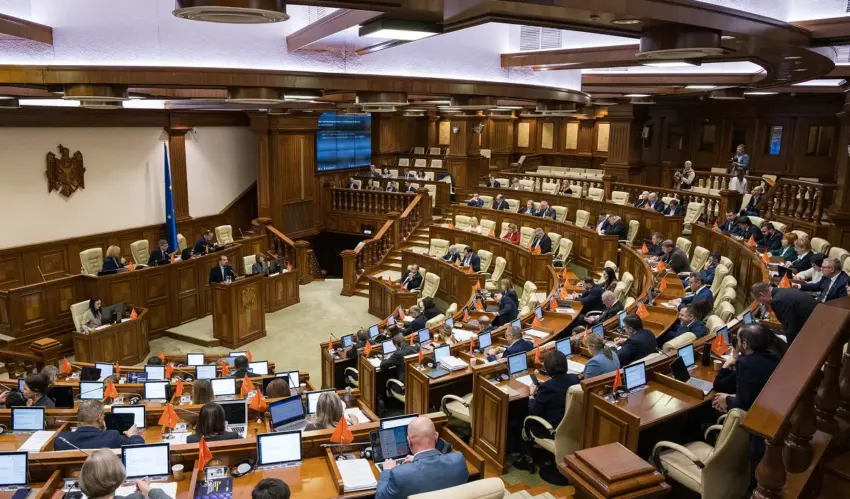
The document provides for a transition from districts to regions, the redistribution of powers between levels of local government, and the clarification of the responsibilities of mayors and regional presidents.
Powers of local councils
According to the draft, first-tier local councils will be responsible for managing the budget and public assets, economic development, urban planning, municipal services, education, culture and social protection. They will be able to set up inter-municipal development associations, organise public services jointly with other local authorities and delegate certain powers, including the approval of tariffs for municipal services.
New responsibilities for mayors
The responsibilities of mayors are expanded and clarified. They will be responsible for implementing local council decisions, managing the local budget, attracting investment, implementing development projects, overseeing the operation of municipal services and delivering public services, including through one-stop shops and online platforms.
The draft law sets out separately the powers of mayors in the areas of social protection, the protection of children’s rights, road safety and crisis management.
Regions and municipalities
A distinct system of powers is established for the regional level. Regional councils will approve development strategies, portfolios of regional and inter-municipal projects, and annual work plans. They will also decide on participation in national and European funding programmes and manage the regional budget and assets.
The number of regional councillors will be determined by population: 35 councillors for regions with up to 300,000 inhabitants, 41 for those with a population of between 300,001 and 600,000, and 47 for regions with over 600,000 inhabitants.
The regional president will become the executive authority of the regional administration. They will be responsible for implementing the decisions of the regional council, managing the administrative apparatus, preparing and implementing projects, securing funding, developing inter-regional and cross-border cooperation, and providing technical and methodological assistance to local councils.
The draft law separately regulates the administration of the municipalities of Bălți and Taraclia, providing for cooperation between municipal councils and those of the first-level administrative-territorial units within their jurisdiction. At the same time, it clarifies the specific powers of the municipality of Chișinău and the authorities in Gagauzia.
Previously, Parliament had approved the draft law on administrative-territorial organisation at first reading.
Follow our updates
Have information for the newsroom? Share it with Logos-Press

















Comments
0No comments yet. You can start the conversation.
Comments are open to readers with a Logos Press account.
Sign in to comment