


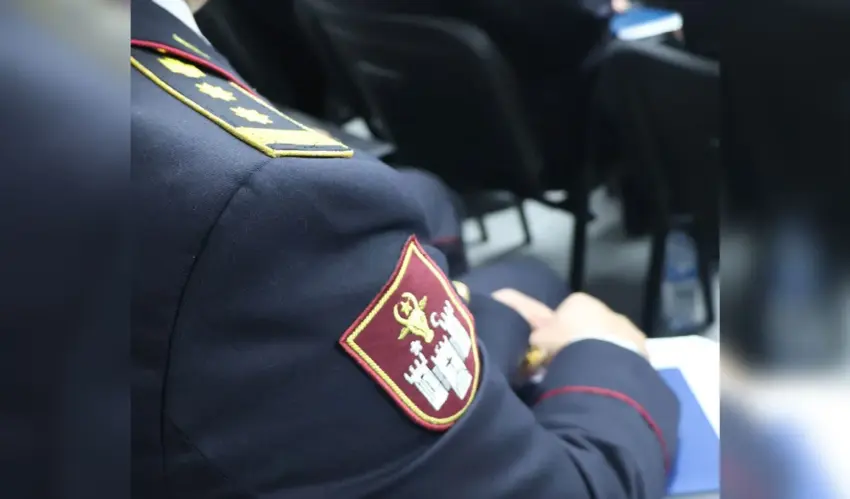
From 1 January 2027, the new rules for calculating pensions for military personnel and civil servants with special status are due to come into force. The draft previously presented provides for a gradual increase in the minimum retirement age from 45 to 50 by 2036. However, for certain units and high-risk professions, the intention is to retain the option of retiring at 45.
The amendments also provide for the extension of the pension calculation period from the last 12 to 60 months of service, the removal of the requirement to resign in order to have a pension calculated, and the possibility of recalculating pensions for those who continue to work after reaching retirement age. Pensions already calculated will be retained in full, without being recalculated under the new rules.
Extending the calculation period from 12 to 60 months effectively means a reduction in future pensions, as previous years – when wages were lower – will also be included in the calculation. Given that salaries are already uncompetitive, this change reduces employees’ motivation to remain in service until they reach retirement age. For many, it becomes more advantageous to leave now, whilst benefiting from the current conditions.
The proposed changes have caused concern amongst employees of the law enforcement agencies, particularly within the prison service. They regard pension conditions as one of the main social safeguards of their employment and are calling for the retirement age not to be raised and for the requirements for granting pensions not to be tightened.
The multiple problems facing the law enforcement agencies
Grigore Novac, Chair of the Parliamentary Committee on Human Rights, has drawn attention to the problems within the prison system. These include uncompetitive salaries, a shortage of medical staff and difficulties relating to the accreditation of medical services. Another concern relates to staff safety, due to the insufficient ratio of staff to prisoners. According to Novac, in some institutions, night-time security is provided by just 3–5 staff members, despite there being over 400 prisoners.
Another problem is the acute staff shortage. To resolve this, the recruitment freeze must be lifted and vacant posts filled as quickly as possible.
Former President Vladimir Voronin, who previously served as Minister of the Interior, also drew attention to the social vulnerability of law enforcement officers. He spoke both of the insufficient legal protection afforded to staff whilst carrying out their duties and of the lack of adequate social safeguards.
“Police officers are deprived of their rights. Although they are called upon to uphold the law, they themselves are deprived of their rights. There is no law to protect them. Yes, they are allowed to use their weapons in special cases, when there is a threat to life. But try using your weapon! There is a whole series of restrictions. First you have to fire a shot into the air, then shout: ‘Stop, I’m shooting!’. In the meantime, criminals can do whatever they like to them. This is the lack of personal protection. And the second problem is the lack of social protection. Salaries are low; I repeat, they receive no other allowances, no assistance, nothing.”
The government has taken the criticism on board
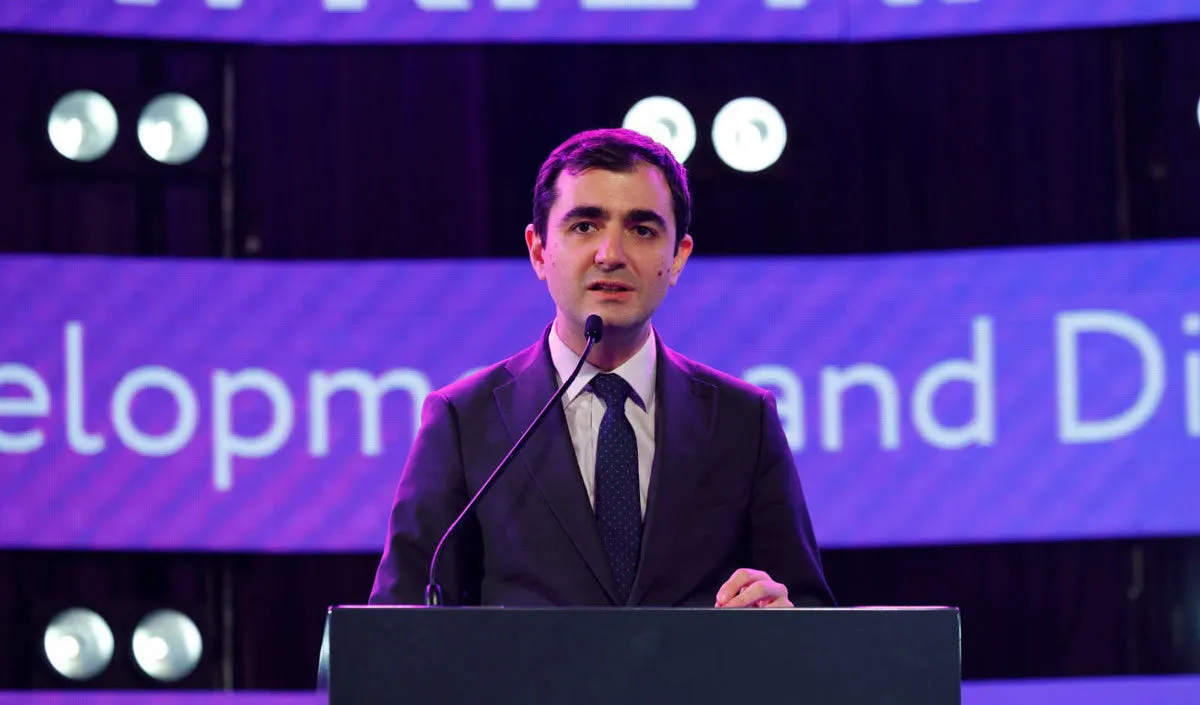
The criticism from the former president and Minister of the Interior shifts the dispute from a sectoral to a political level. The opposition could immediately capitalise on the discontent within the system for its own benefit. In this context, Prime Minister Vasile Tofan has given assurances that the Government intends to take the specific nature of the work into account and will not abandon the additional pension guarantees for employees of the security forces.
“Special pensions: here I have a message for employees of the security forces. It is true that over the last few months there have been discussions regarding the reform of the special pension system, with a view to making it fairer and more sustainable. Yes, we must ensure that law enforcement personnel have special conditions, because they work at night, at weekends, far from home, and in very difficult conditions. You can imagine how difficult it is to work in a prison and what risks staff face there. That is why we remain committed to the principle that law enforcement staff must receive additional benefits in terms of special pensions.”
The Prime Minister acknowledged that the drafting of the reform had caused serious concern amongst staff and led to people leaving the system. Consequently, the authorities have shifted from the technocratic rhetoric of ‘maintaining budgetary sustainability’ to a focus on retaining staff.
“I know that this reform we have been working on has caused a great deal of anxiety. It has led to many people leaving the system. I would like to thank the Minister of Justice for visiting prisons to reassure people and communicate with them. We have learnt from this communication. I want to send a very empathetic yet firm message to the law enforcement agencies: we have heard you, we understand. We are now recalibrating our approach and doing our homework more thoroughly before putting forward a final proposal on reforming the special pensions sector, in order to strike a balance between a fairer and more sustainable system – one we can afford – whilst also retaining staff within the system,” said the Prime Minister.
Special pensions remain a topic of debate
Meanwhile, the issue of pensions also concerns other categories of recipients of special payments. Another draft bill was recently published, under which recipients of special pensions and early retirement pensions for long periods of contribution will be excluded from the category of unemployed people entitled to unemployment benefit. The document is currently at the public consultation stage. If adopted, it will come into force three months after publication.
The authors of the initiative justify it on the grounds that unemployment benefit is intended to support individuals until they return to the labour market, whilst pensioners already receive social payments from the state.
Discussions regarding special pensions also concern the method of their recalculation. The Constitutional Court will examine the relevant provisions following a complaint lodged by former pilot Pavel Eșanu, who was refused a recalculation of his pension to take account of the six additional years he worked at Air Moldova. The Rîșcani District Court has questioned the compatibility of these restrictions with the principles of equality and social equity.
It is clear from Vasile Tofan’s remarks that the Government has realised it risks the reform having the opposite effect: saving on future pension payments, but losing staff whom it would struggle to replace anyway, and ending up with yet another group of dissatisfied people. The phrase “we have heard you”, uttered by the Prime Minister, is a political signal that the state is not prepared to provoke a new public relations crisis and, in all likelihood, will prefer to backtrack in time, with the reform being substantially watered down before it is presented to Parliament.
Follow our updates
Have information for the newsroom? Share it with Logos-Press

















Comments
0No comments yet. You can start the conversation.
Comments are open to readers with a Logos Press account.
Sign in to comment