


Photo: Andrei Pungovschi / Getty Images
According to Negrescu’s assessment, the authorities have already exhausted the simplest ways of reducing the deficit: they have raised VAT and local taxes and frozen public sector wages, reports Agerpres. Romania now faces more complex structural reforms. The economist believes that the government’s promise not to introduce new taxes in 2027 will be difficult to fulfil.
“Most likely, we can expect a combination of measures: a freeze on salaries and pensions, the abolition of certain tax breaks, and increases in specific taxes and excise duties. All of this will be referred to as ‘adjustments’ rather than ‘new taxes’,” Negrescu wrote on Facebook.
Public debt servicing costs are placing additional pressure on the budget. According to the consultant’s forecast, interest payments will exceed 70 billion RON (around 14 billion euros) in 2027.
Negrescu also warned of the risk of Romania’s sovereign credit rating being downgraded to speculative grade (so-called ‘junk’ status). Decisions by the rating agencies are expected in January–March 2027. A downgrade would lead to higher borrowing costs for the state, businesses and citizens with bank loans. As an alternative, the economist once again mentioned a possible agreement with the International Monetary Fund (IMF).
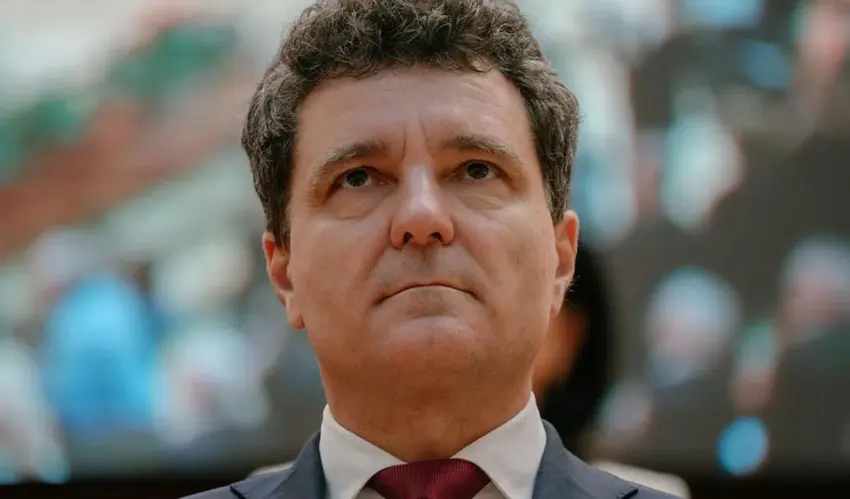
His statement was prompted by remarks made by President Nicușor Dan on 10 November. According to News.ro, the head of state stated that Romania’s budget deficit in 2026 could reach 150 billion RON, whilst the cost of servicing the accumulated debt would amount to around 60 billion RON. He emphasised that the country must strictly adhere to its commitments to reduce the deficit; otherwise, it risks losing investor confidence and facing more expensive borrowing.
Dan also stated that it would be extremely difficult to drastically reduce the deficit without reviewing expenditure on wages and pensions. If the cost of government borrowing rises, this will also affect loans to businesses and households. The President did not rule out that, should the country lose access to affordable financing, it might require assistance from the IMF, which is usually accompanied by strict economic adjustment conditions.
Meanwhile, the government’s official target for 2026 is a deficit of 130.3 billion RON, or 6.2 per cent of GDP. Thus, the President’s estimate of 20 billion RON exceeds the approved target. Negrescu also drew attention to an arithmetic discrepancy: the revenue of 730 billion RON and expenditure of 860 billion RON cited by the Head of State result in a difference of 130 billion, not 150 billion RON.
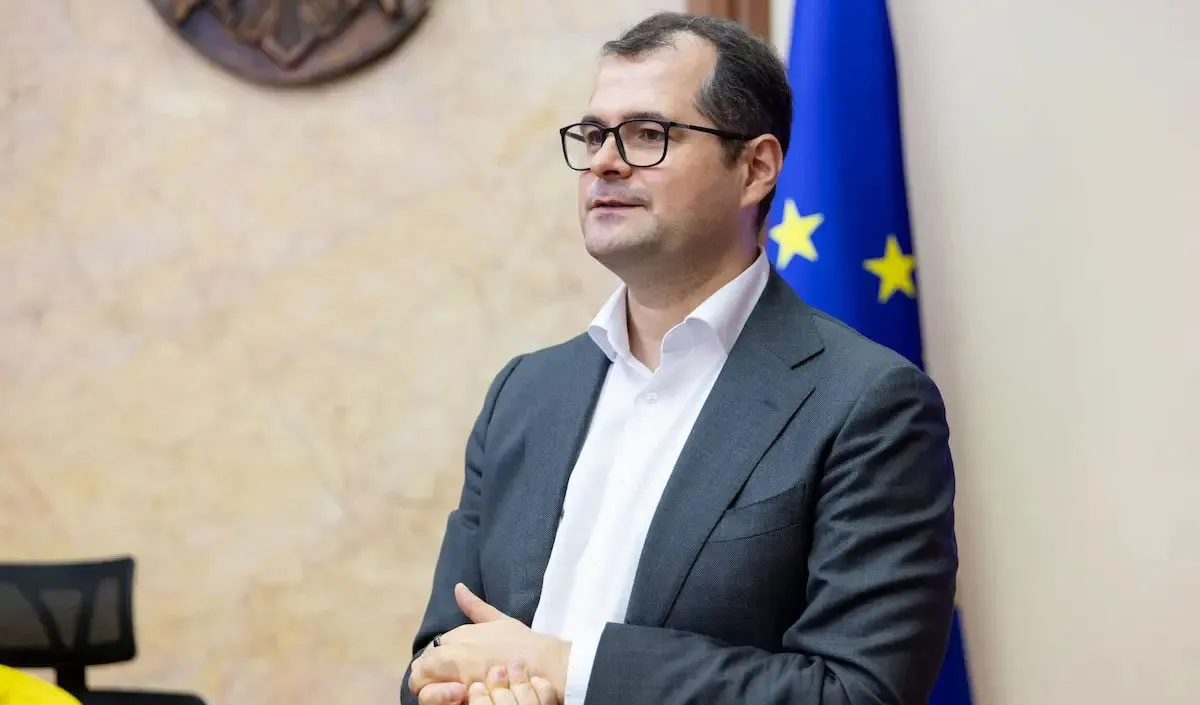
According to the Ministry of Finance, the budget deficit for the first nine months of 2026 stood at 78.3 billion lei, or 3.81 per cent of GDP, compared with 5.31 per cent for the same period last year. However, in the third quarter, the deficit was higher than last year’s. Finance Minister Alexandru Nazari had previously warned that achieving the annual target of 6.2 per cent of GDP depends, amongst other things, on the timely receipt of funds from the European Recovery and Resilience Facility (PNRR).
This story was translated with the assistance of artificial intelligence.
Follow our updates
Have information for the newsroom? Share it with Logos-Press




















Comments
0No comments yet. You can start the conversation.
Comments are open to readers with a Logos Press account.
Sign in to comment