


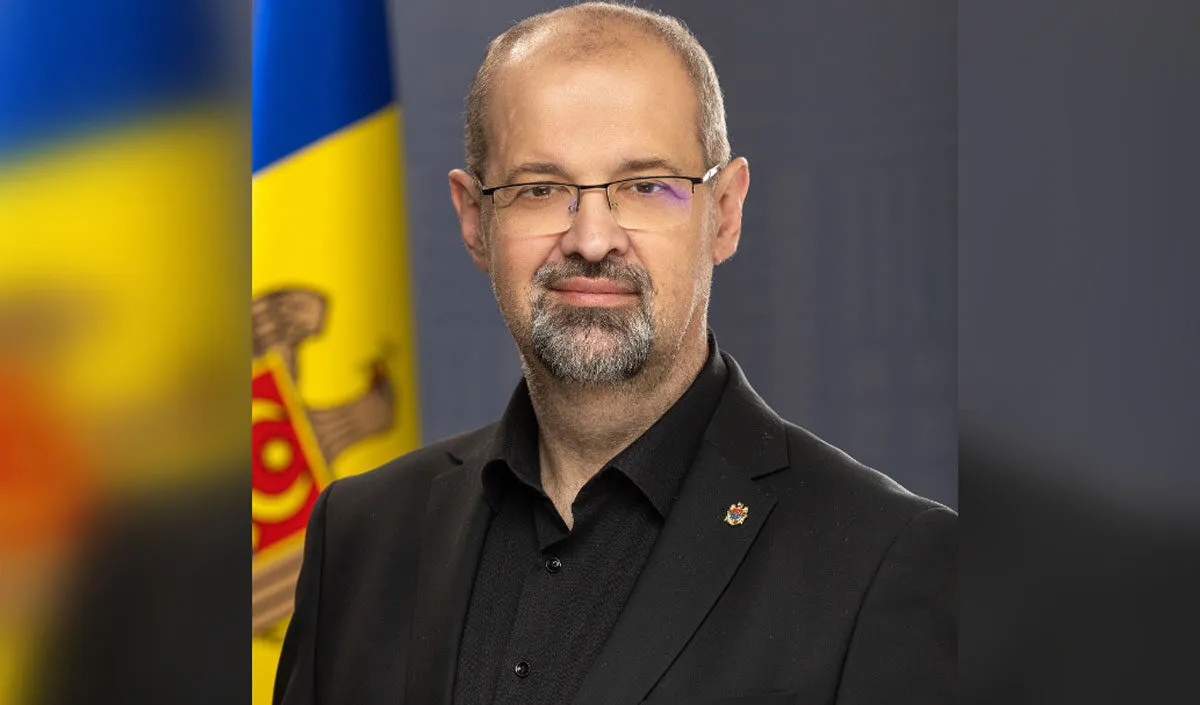
Alexandru Gasnaș
Former Health Minister Ala Nemerenco wrote that the new draft contains ‘copy-and-paste’ versions of initiatives from the former ‘Șor’ party, including mobile pharmacies, medicine-dispensing vending machines and the removal of demographic and geographical criteria for opening pharmacies.
The dispute dates back to 2020, when Parliament adopted, by 54 votes, amendments to the legislation governing the pharmaceutical sector. These provided, amongst other things, for mobile pharmacies, home delivery of medicines and the removal of certain restrictions on the opening of pharmacies.
“The law provoked discontent amongst opposition parties, including the PAS, which lodged complaints with the Constitutional Court, citing serious breaches of legislative procedure, health risks arising from counterfeit medicines entering the market, a failure to guarantee pharmaceutical safety, and the emergence of unfair competition. “In March 2021, the Court ruled that the legislative amendments described above were unconstitutional, upholding the complaints lodged. Despite this, today, in September 2026, the draft Pharmacy Law promoted by the current minister appears to be a copy-and-paste of initiatives from the former Șor Party,” wrote Nemerenco.
The Ministry of Health maintains, however, that the Constitutional Court did not rule mobile pharmacies to be illegal at that time. The Court declared the amendments adopted by Parliament in December 2020 to be unconstitutional due to a breach of the adoption procedure.
According to the Ministry, the current draft was drawn up in collaboration with the Agency for Medicines and Medical Devices and is going through the stages required by law — public consultations, approval and expert review.
Mobile pharmacies will only operate in areas where there are no traditional pharmacies
The Ministry emphasises that the draft does not permit the unrestricted sale of medicines via mobile units.
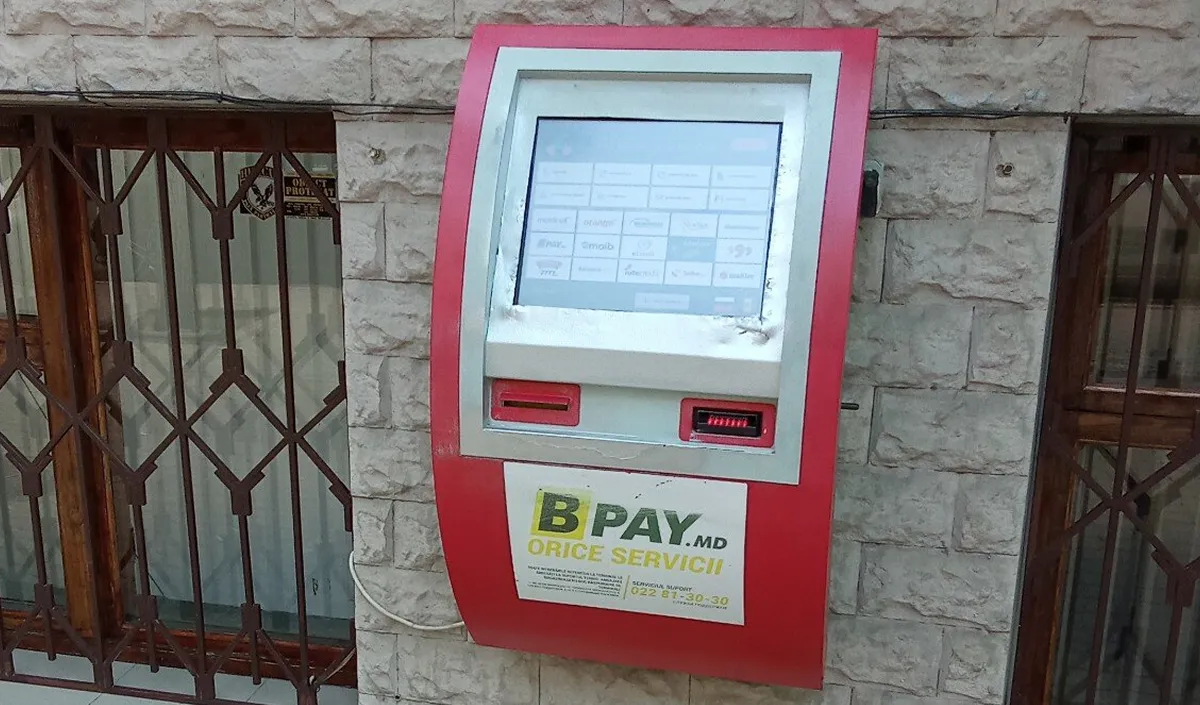
“Branches, pharmaceutical outlets, mobile pharmacies and vending machines cannot operate as independent businesses. According to Article 9 of the draft, each one belongs to an authorised pharmacy, known as the ‘parent’ pharmacy; it has no legal personality of its own and operates under the responsibility of a coordinating pharmacist. Pharmaceutical outlets, mobile pharmacies and vending machines may only be located in rural areas where there is no pharmacy”, the ministry’s press release states.
Mobile pharmacies will have to follow a route and a timetable announced in advance, whilst dispensing machines will only be able to dispense over-the-counter medicines from a list approved by the Ministry of Health.
Furthermore, as Logos Press has previously reported, mobile pharmacies and vending machines are set to operate for three years as part of a pilot scheme. Subsequently, the results will be evaluated, and the authorities will decide whether to continue with these arrangements.
Experience in other countries
The Ministry of Health maintains that similar forms of access to medicines are also used in other countries. In Portugal and Spain, there are pharmaceutical outlets affiliated with pharmacies, whilst in Romania, rural community pharmacies operate in areas without pharmacies. Germany, Ireland and the Netherlands do not apply demographic or geographical criteria for the opening of pharmacies.
At the same time, the draft bill provides for measures to support rural areas. Large pharmacy chains will be required to provide pharmacies offering a full range of services in the localities where they operate; applications to open outlets in villages will be given priority; and rural outlets will be exempt from authorisation fees for five years.
“Open to dialogue”
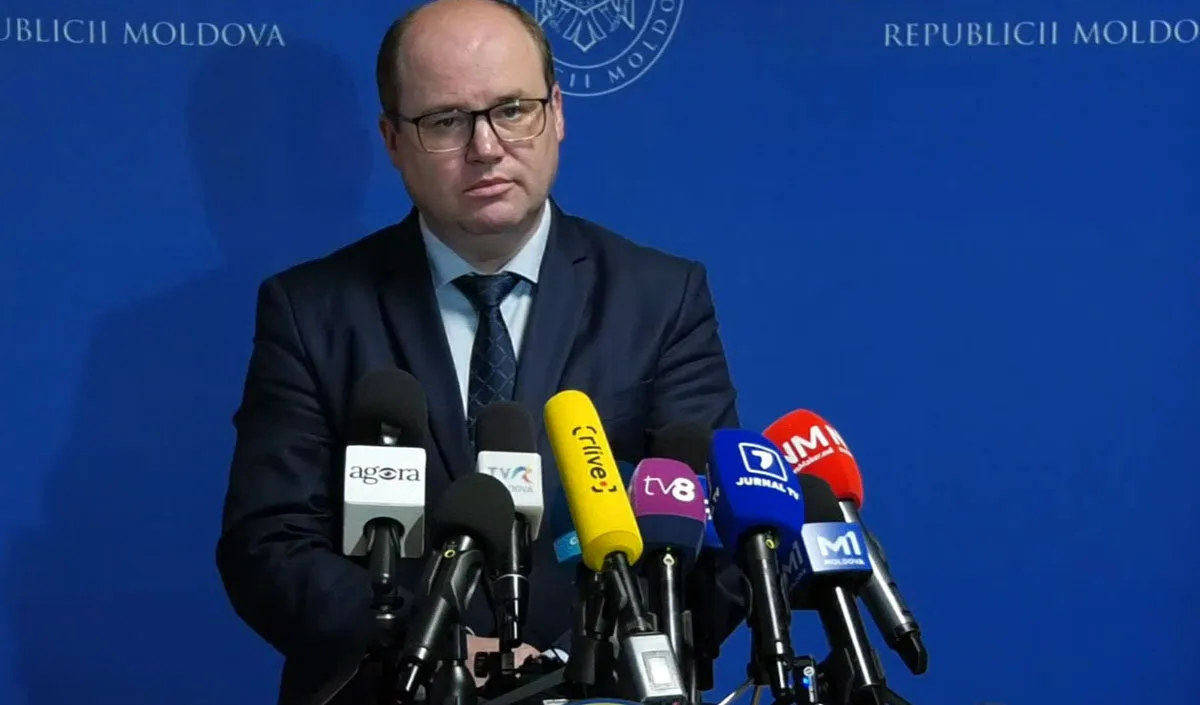
“We do not have a choice between a permanent pharmacy in every village and nothing at all. We have a choice between waiting for years and utilising the reliable forms of access that other European countries are implementing. We are not lowering standards, but extending them to areas they do not currently reach. We will carefully test new approaches and retain them only if they work,” said Health Minister Alexandru Gasnaș.
The Ministry of Health has announced that all proposals, including those voiced publicly in recent days, will be analysed and included in a summary of objections and proposals, which will be published. At the same time, the Ministry is urging those voicing criticism – the Pharmacists’ Association, the “Nicolae Testemițanu” State University of Medicine and Pharmacy, mayors, patients’ associations and GPs – “to put forward concrete proposals”.
Proposals may be submitted until 23 September 2026.
This story was translated with the assistance of artificial intelligence.The translation was also reviewed by the Logos Press editorial team.
Follow our updates
Have information for the newsroom? Share it with Logos-Press











Comments
0No comments yet. You can start the conversation.
Comments are open to readers with a Logos Press account.
Sign in to comment