



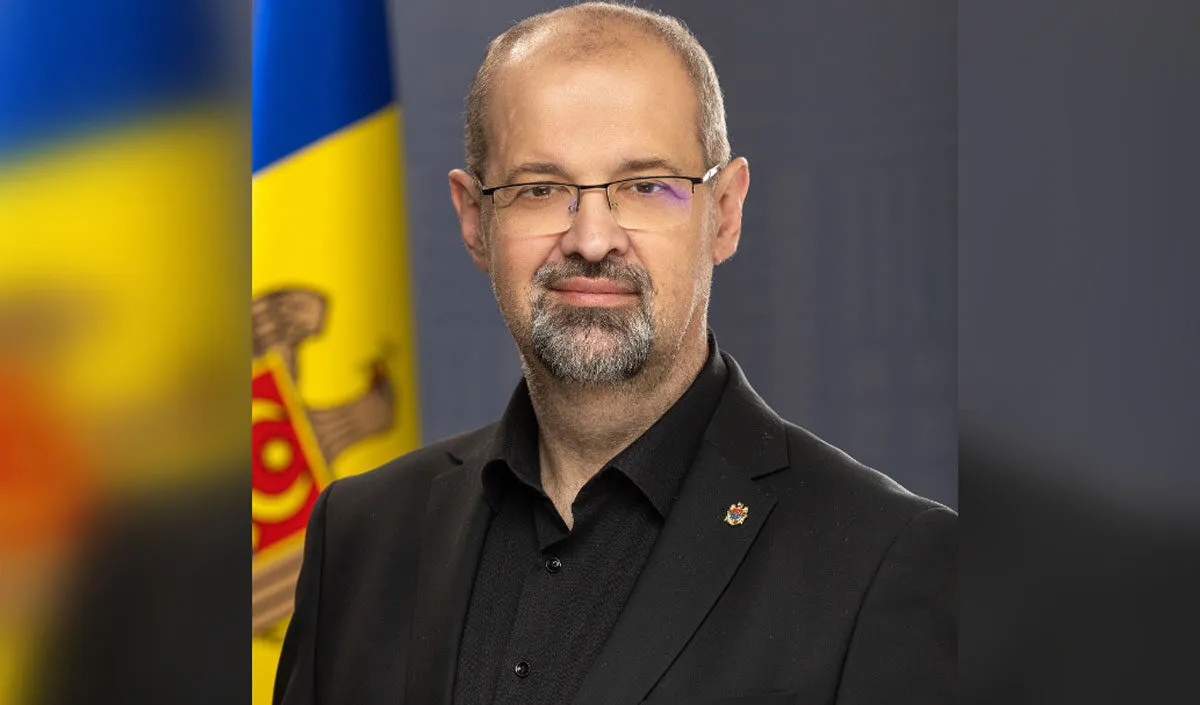
Viorel Furdui
Members of the organisation made this point during a working meeting between city mayors and representatives of the Ministry of Infrastructure and Regional Development.
The mayors highlighted that the reorganisation would not be successful unless it was accompanied by the provision of local authorities with their own stable and predictable financial resources.
As CALM’s Executive Director, Viorel Furdui, noted, towns whose territory will expand through the incorporation of rural settlements will take on an extensive network of roads, schools, nurseries, water supply and sewerage systems, social services and the obligations to maintain them.
At the same time, their tax base will not increase proportionally. In the absence of specific measures to strengthen these towns’ financial and institutional capacity, the reform risks eroding their resources, weakening their functions and turning them into administrators of predominantly rural areas, incapable of fulfilling the role of development hubs.
Instead of towns raising villages to urban standards, the towns themselves may find themselves at a disadvantage, argues Furdai. CALM has therefore advocated that each stage of the reform be preceded by an assessment of the financial implications for the authorities concerned, and that compensation and support mechanisms be put in place for towns that incorporate villages into their boundaries.
This story was translated with the assistance of artificial intelligence.
Follow our updates
Have information for the newsroom? Share it with Logos-Press

















Comments
0No comments yet. You can start the conversation.
Comments are open to readers with a Logos Press account.
Sign in to comment