

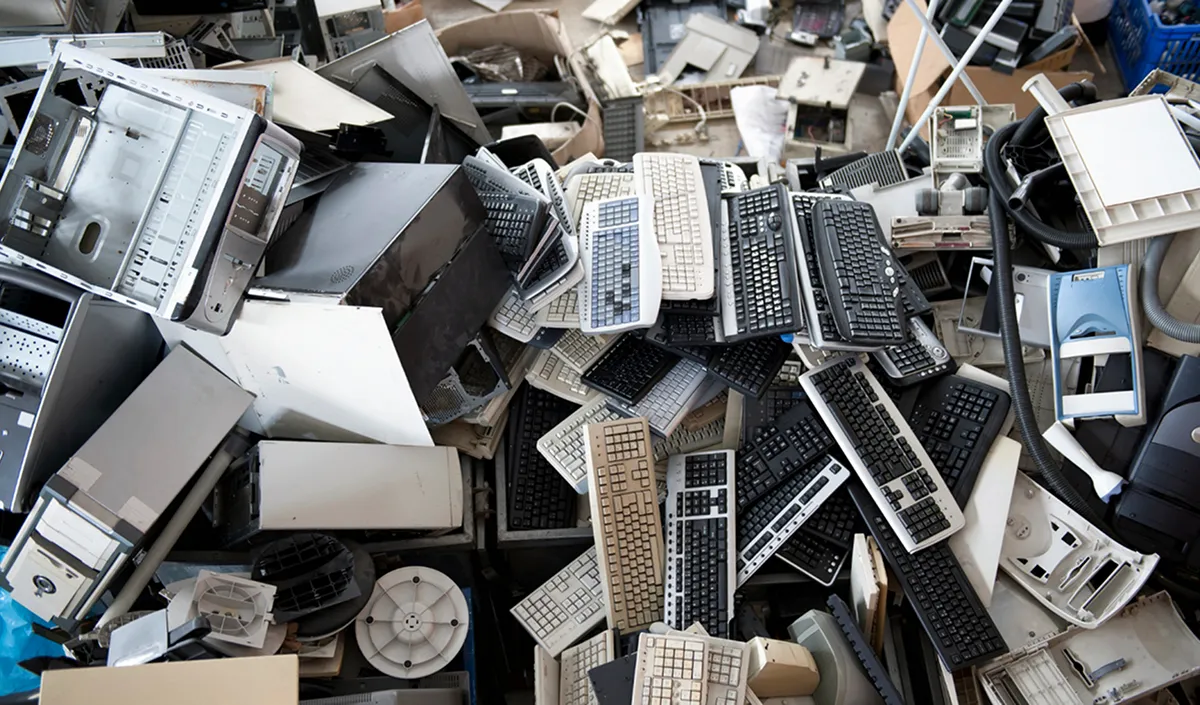
This is according to the ‘Fast Tech Consumer Study 2026’, presented by environmental organisations on International E-Waste Day, which is observed on 14 October, reports Agerpres.
According to the study, 92.1 per cent of respondents in Romania have purchased so-called ‘Fast Tech’ – low-cost electronic devices – at least once, whilst 86.6 per cent have bought them within the last 12 months. In terms of purchase frequency, the country is second only to Greece, Poland and Ireland.
However, only 25.7 per cent of Romanian respondents exclusively recycle or reuse such devices. This is the lowest figure among the 12 countries that took part in the survey.
Cheap electronics are becoming part of everyday consumption
The ‘Fast Tech’ category includes small, inexpensive electronic goods: chargers, USB cables, wireless headphones, mini fans, electronic toys and lighting devices.
The study was carried out by Bellegarde Scientific Consulting on behalf of the WEEE Forum. The survey involved 10,245 adult residents across 12 European countries.
Price remains one of the main drivers of demand: 55 per cent of participants cited low cost as the reason for purchasing such goods. Furthermore, 59 per cent of respondents stated that if a Fast Tech device broke, they would replace it with another low-cost product.
At the same time, 80 per cent of those surveyed are willing to pay more for more durable alternatives — at least for certain product categories. However, 64 per cent do not plan to cut back on purchases of low-cost electronics.
The authors of the study note that products costing less than 100 Romanian lei — such as portable speakers, facial massagers and compact vacuum cleaners for up to 1 kg — can encourage impulse purchases thanks to discounts, positive reviews and consumer curiosity.
Electronic devices often remain at home
A separate issue concerns what happens to devices once they are no longer in use. According to the study, Romania has the highest proportion of respondents who prefer simply to store unwanted electronics at home: 23.4 per cent.
At the same time, only a quarter of survey participants rely solely on recycling or reusing. This disparity highlights a problem not only with consumer habits but also with the management of electronic waste.
The ‘Fast Tech’ phenomenon is compared to ‘fast fashion’ – a model of clothing consumption in which goods are frequently purchased, used for a relatively short time and easily replaced with new ones. In the electronics sector, this trend places an additional burden on waste collection and recycling systems.
According to estimates by Ecotic and Environ, the spread of this consumption model increases the volume of electrical and electronic waste and contributes to the wasteful use of resources.
Why the improper disposal of electronics is harmful to the economy
Electronic devices contain raw materials and components that can be returned to the economic cycle if recycled correctly. If small appliances are disposed of with household waste or left unused for long periods, some of these potentially valuable resources are lost.
Ecotic and Environ recommend assessing whether a device is genuinely needed before purchasing it, considering the option of buying second-hand goods, and exploring repair and recycling options.
The organisations emphasise that any device with a plug, cable, electronic circuit or battery should be taken to designated collection points at the end of its useful life, regardless of its size or original price.
International E-Waste Day was established in 2018 on the initiative of the WEEE Forum. The 2026 campaign focuses on the problem of increasing waste from low-cost small electronic devices.
For the European market, the challenge lies in combining the affordability of electronic goods with a longer service life and the effective return of materials to production chains. Data from Romania shows that the high prevalence of such purchases is not yet accompanied by an equally active use of recycling and reuse of devices.
This story was translated with the assistance of artificial intelligence.The translation was also reviewed by the Logos Press editorial team.
Follow our updates
Have information for the newsroom? Share it with Logos-Press








Comments
0No comments yet. You can start the conversation.
Comments are open to readers with a Logos Press account.
Sign in to comment