



Carolina Novac
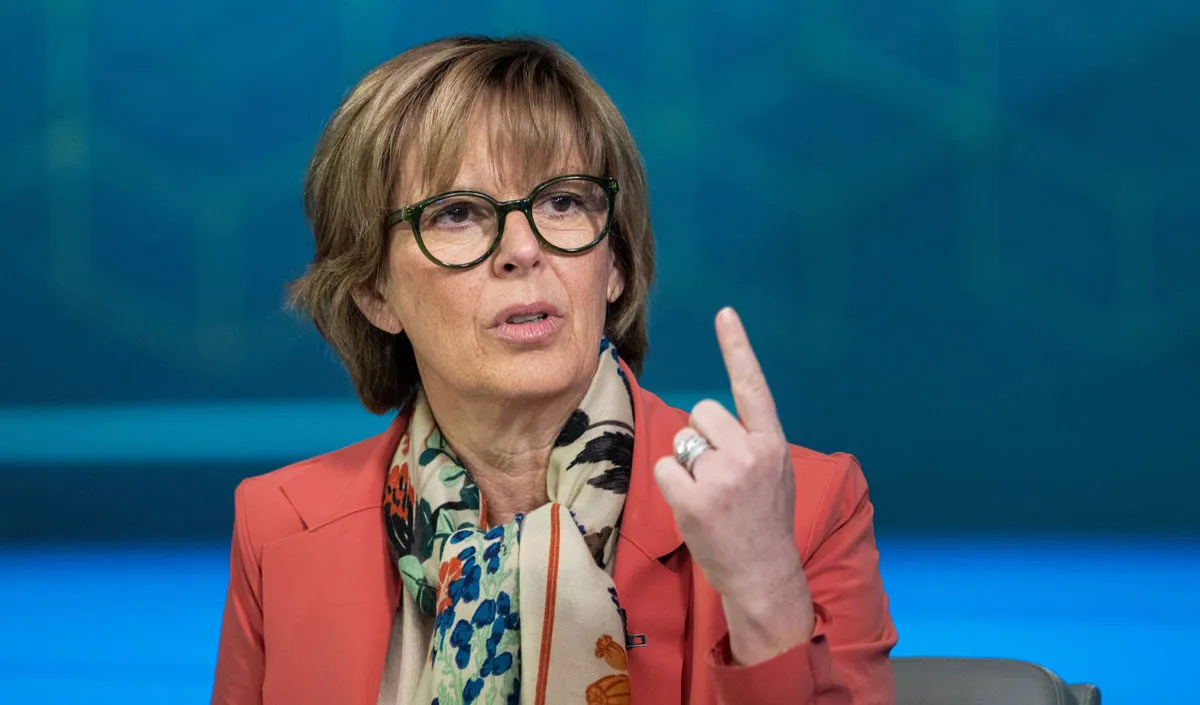
This was announced by Carolina Novac, State Secretary at the Ministry of Energy, at an event held as part of the UN Climate Change Conference COP31. She said that Moldova has focused on regional interconnections, market liberalisation, decarbonisation and the digitalisation of energy infrastructure.
She reported that the 400 kV Vulcănești–Chișinău overhead power line was officially commissioned on 8 November 2026. In addition, funding has been secured for two new interconnections with Romania – Bălți–Suceava and Strășeni–Gutinăș. The country also needs to modernise its power lines with Ukraine.
Renewable energy requires storage
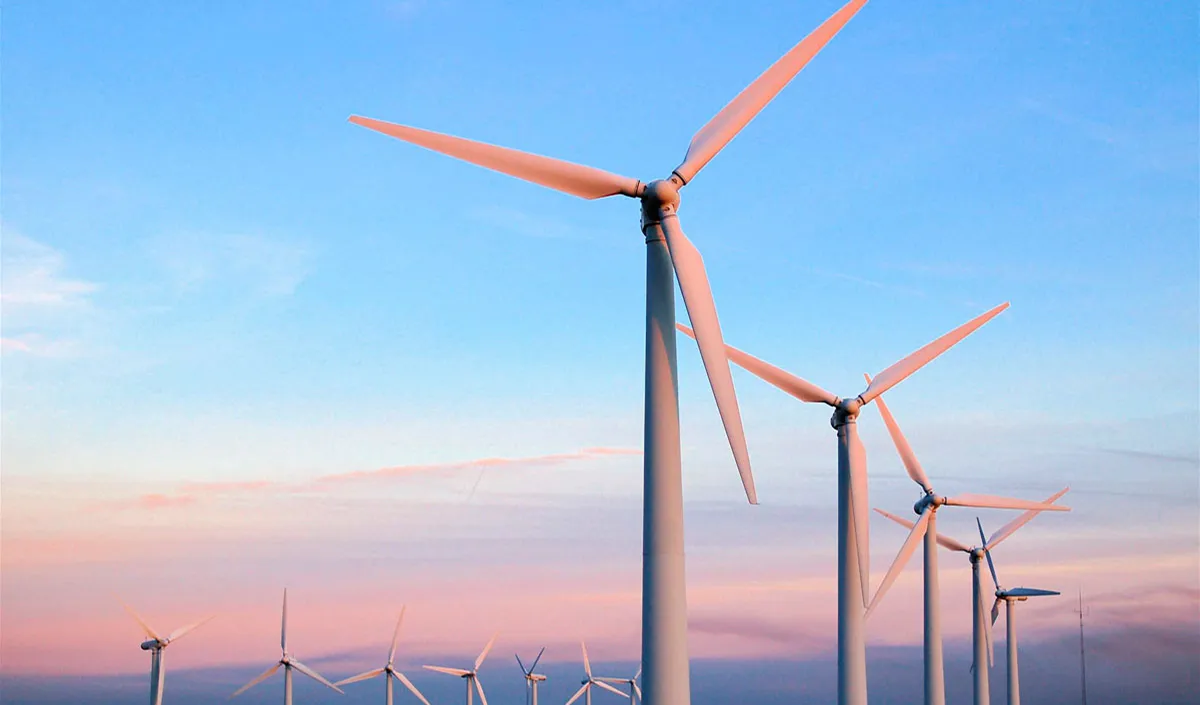
The installed capacity of renewable energy sources in Moldova exceeded 1.1 GW in 2026 – more than 13 times higher than the 2020 level. In the second quarter of 2026, these sources accounted for 46 per cent of the country’s total electricity consumption.
To balance the power system, tenders have been announced for 170 MW of wind power capacity, linked to energy storage systems with a capacity of 44 MWh. Additional support measures include tax incentives and loan guarantee schemes for investors in energy storage systems.
Another priority is the digitalisation of distribution networks. According to the Ministry of Energy, 44,520 smart meters have already been installed, whilst the procurement of a further 65,000 is in its final stages. These are expected to be delivered next year.
As part of cooperation with Italy, it is planned to install around 100,000 such devices by 2027. To achieve the 2030 target, at least a further 400,000 meters will need to be installed, bringing the total number nationwide to 500,000.
Moldova is also working to integrate with the European electricity market. According to Carolina Novac, the day-ahead, intraday and bilateral contract markets are already operational, whilst full integration with the European market is scheduled for 2028. From July 2027, large consumers must switch to the competitive market.
Follow our updates
Have information for the newsroom? Share it with Logos-Press
























Comments
0No comments yet. You can start the conversation.
Comments are open to readers with a Logos Press account.
Sign in to comment