

At the GTC conference in Berlin, held from 20 to 22 October, Nvidia unveiled its long-awaited product – the OpenShell architecture – which will enable customers to create AI agents, restrict their actions and monitor them.
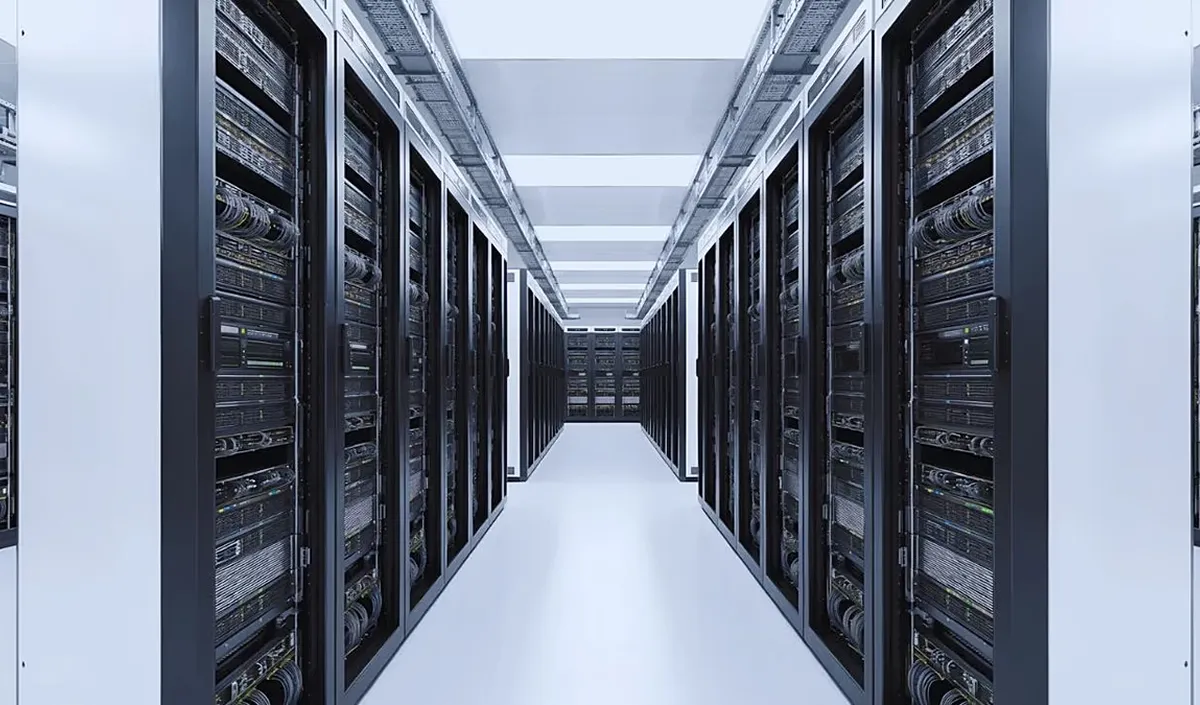
As noted by yahoo.finance, this is a base project for a server or other platform that customers and partners can adapt to their own needs. Neural networks run on the Vera Rubin system, agent programmes run on Vera processors, whilst BlueField-4 data processing units act as security guards and disable agents if they attempt to carry out undesirable actions.
According to Nvidia, the architecture can isolate agents attempting to go out of control and stop them within milliseconds.
“AI capabilities and security must evolve together. As companies prepare to deploy billions of AI agents, security and control must be built into the computing architecture,” said Nvidia’s CEO, Jensen Huang.
The company attributes the launch of OpenShell to recent incidents which, as it describes them, followed a recurring pattern: an agent would bypass application-level controls to carry out a task. Nvidia therefore proposes boundaries that are independent of both the model and the runtime environment in which it operates.
Advantages and disadvantages
The platform consists of two components. The first is OpenShell itself, an open-source secure execution environment that monitors every action and enforces policies whilst agents are running on NVIDIA Vera processors. It can be extended to other platforms. The second component is Sentry, an out-of-band guard on the BlueField-4 DPU, built on the DOCA software platform. It verifies requests and responses, confirms the agent’s identity, generates tamper-proof telemetry, and enforces zero-trust policies on data, tools and APIs. If an agent attempts to go beyond the perimeter, Sentry, according to NVIDIA, isolates it within milliseconds.
For companies, the value of this approach lies in separating agent oversight from the agent itself, which is in line with the lessons learnt from recent incidents.
However, the most secure part of the solution, Sentry, requires Nvidia BlueField-4 hardware, which raises questions about reliance on a single supplier, experts note.
Furthermore, the performance figures are provided by the company itself. There is as yet no independent verification of how the system holds up against agents deliberately attempting to circumvent it.
This story was translated with the assistance of artificial intelligence.The translation was also reviewed by the Logos Press editorial team.
Follow our updates
Have information for the newsroom? Share it with Logos-Press





















Comments
0No comments yet. You can start the conversation.
Comments are open to readers with a Logos Press account.
Sign in to comment