

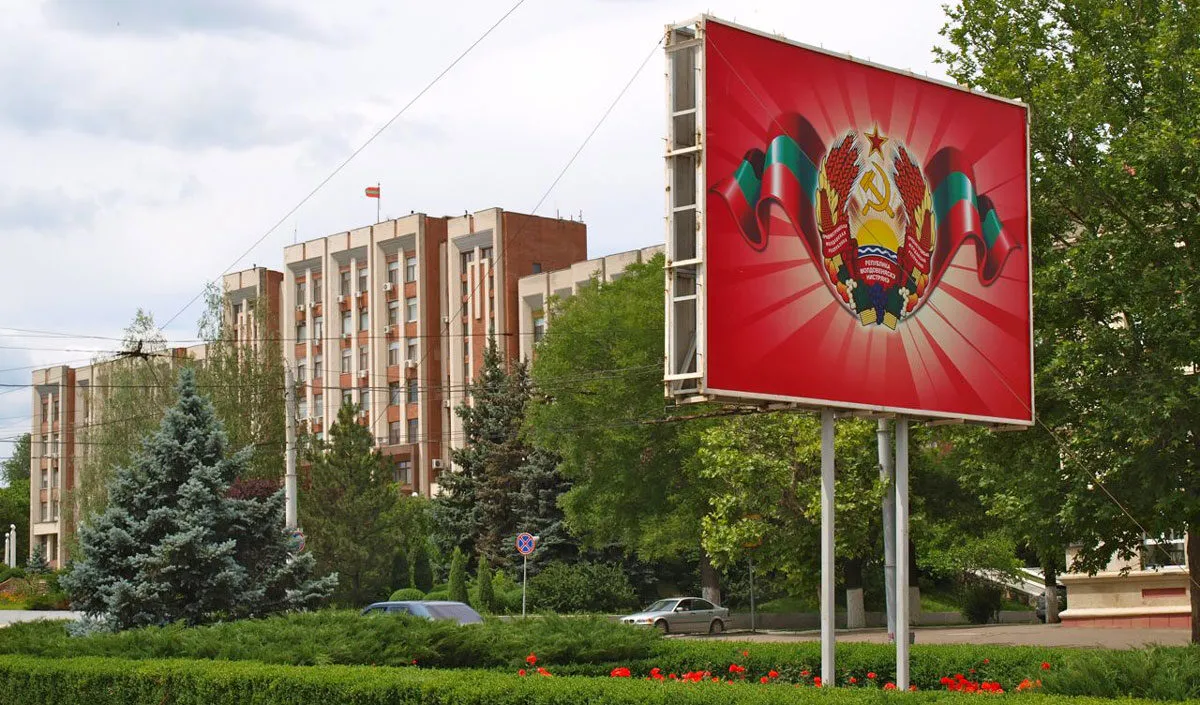
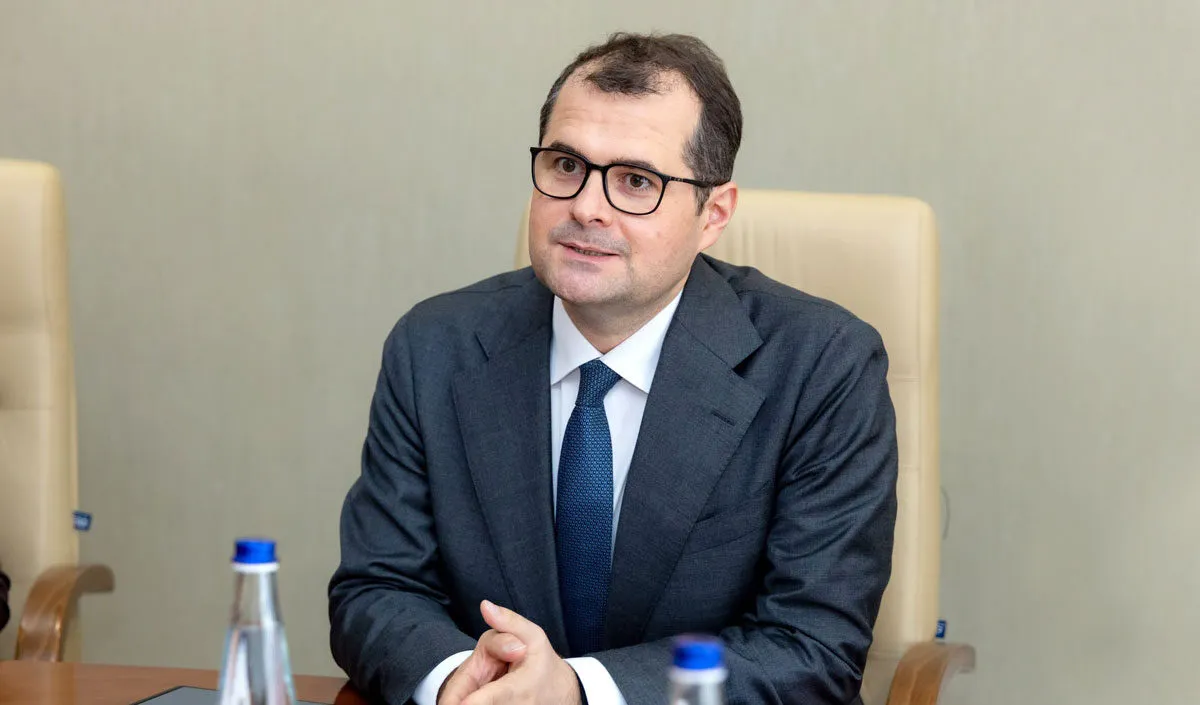
Photo rtvi.com
The Fund will be financed from a portion of the taxes and duties paid on goods imported into the Transnistrian region, including VAT, excise duties and customs duties, as well as from contributions by external donors and other sources of funding. The amount allocated will be determined as part of the annual budgetary process.
Funding priorities will be set annually by the Fund’s Co-ordinating Council, chaired by the Deputy Prime Minister for Reintegration. The Council will comprise representatives from several ministries and public institutions.
The Council’s Secretariat will draw up the list of priorities, whilst the implementing authorities will propose and carry out the funded activities, within the limits of their powers and approved allocations. The funds will be managed through the budgets of the responsible public institutions.
Where the money will go
The resources will be channelled towards social and medical support programmes, education, measures for vulnerable people, infrastructure projects, the modernisation of public services, digitalisation and the development of cooperation between communities on both banks of the Dniester. Indirect support for the business sector is also envisaged, through training, information provision, connectivity and infrastructure improvements.
The Regulation prohibits the granting of grants, subsidies, loans or other direct payments to economic operators and non-governmental organisations.
This story was translated with the assistance of artificial intelligence.The translation was also reviewed by the Logos Press editorial team.
Follow our updates
Have information for the newsroom? Share it with Logos-Press










Comments
0No comments yet. You can start the conversation.
Comments are open to readers with a Logos Press account.
Sign in to comment