

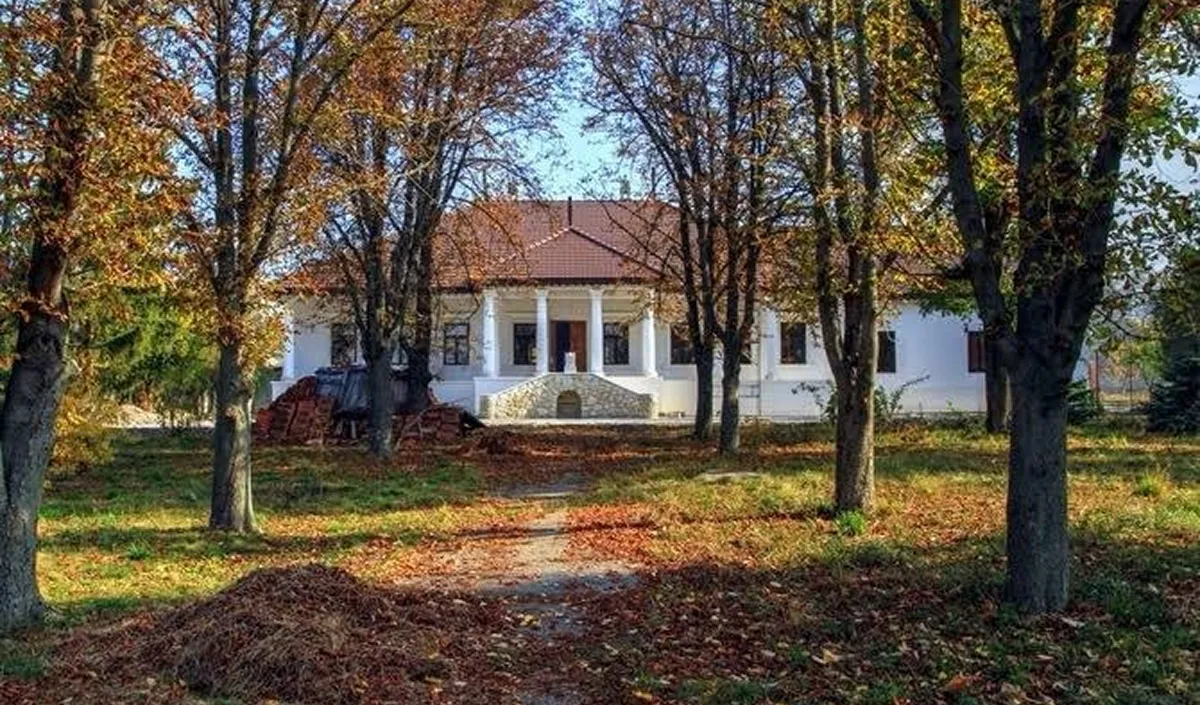
The Lazo family estate in the village of Piatra
This new phase has covered several regions of the country at once. Researchers have documented collections in the Ungheni, Călărași, Orhei, Edineț, Soroca and Sînzerei districts, as well as at the village museum in Chișinău. In each of these locations, stories, traditional household items and cultural artefacts were collected, reflecting the memory and identity of the local communities.
The main aim of digitisation is to make regional cultural heritage visible and accessible to the public worldwide. At the same time, the organisers emphasise that interactive 3D tours are not a substitute for a personal visit, but rather serve as a showcase and an invitation. The opportunity to learn about rare collections in advance will help tourists and guides to more easily include small museums in national sightseeing itineraries.
The ‘Muzee de la sat’ project is a transnational initiative aimed at preserving and promoting rural cultural heritage through the use of 3D technology. The project was initially launched in Moldova with the digitisation of the Museum of History and Ethnography in the village of Slobozia Mare, Căgul District, which has been ranked among the country’s top five digital museums.
The initiative is being implemented by the National Tourism Office in partnership with the ‘Muzee de la sat’ platform, with the support of the Ministry of Economic Development and Digitalisation.
This story was translated with the assistance of artificial intelligence.The translation was also reviewed by the Logos Press editorial team.
Follow our updates
Have information for the newsroom? Share it with Logos-Press














Comments
0No comments yet. You can start the conversation.
Comments are open to readers with a Logos Press account.
Sign in to comment