

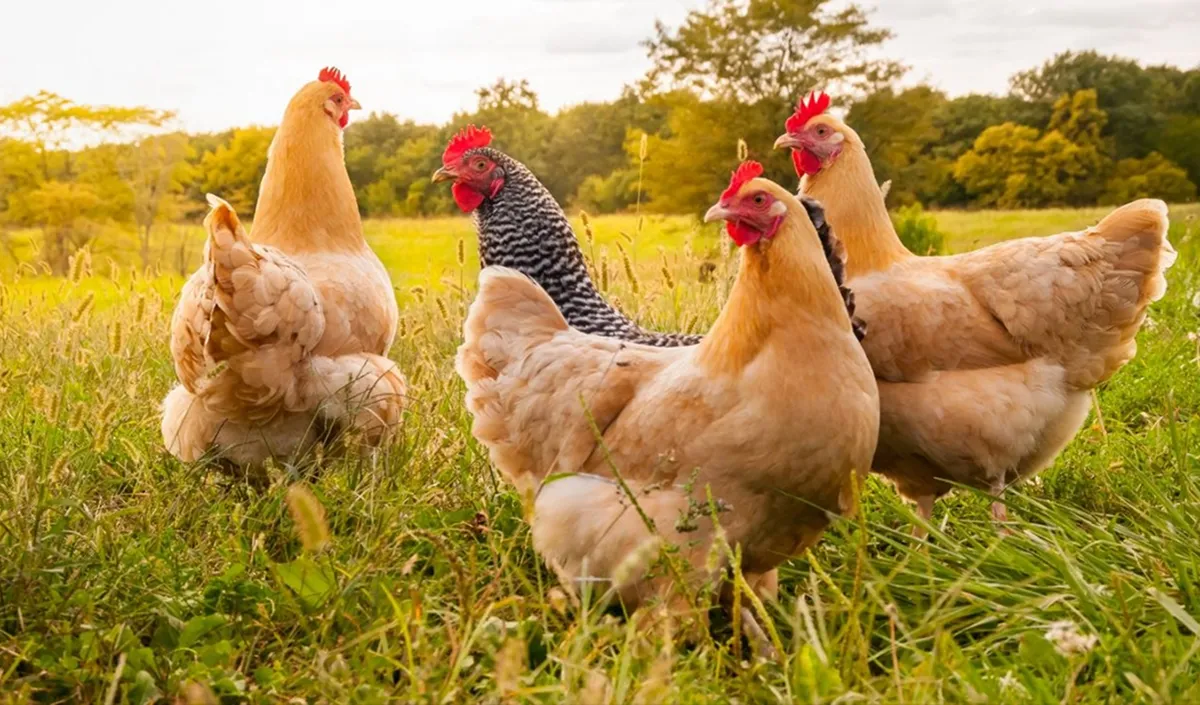
In autumn, as seasonal migration of wild birds intensifies, the risk of the spread of the avian influenza virus in poultry farms across European countries increases. Data from the EFSA indicate that between October 2025 and June 2026, nearly 8,000 outbreaks of this disease were recorded in Europe. The number of cases of the virus detected in wild birds was four times higher than in the previous winter. Among poultry farms, the majority of infections were caused specifically by indirect contact with wild birds.
In Moldova, seven outbreaks of avian influenza were confirmed in 2026, all of which were linked to wild birds.
Avian influenza can be transmitted to humans, in particular through direct or indirect contact with an infected bird or a contaminated environment. It is therefore extremely important to avoid contact with sick or dead birds and to strictly observe hygiene rules.
The virus can spread both through direct contact with infected birds and indirectly – via contaminated water, feed, equipment, footwear, clothing or other objects. Simple preventive measures can significantly reduce the risk of the disease spreading.
The ANSA news agency recommends that poultry farmers:
- Restrict access by unauthorised persons to the farm or yard. Wash your hands, wear clean clothing and footwear, and clean and disinfect equipment used for looking after poultry.
- Ensure that feed, water and housing areas are protected from wild birds. Avoid contact with wild birds. Keep poultry in enclosed or fenced-off areas and do not allow them access to bodies of water. Regularly check the condition of protective netting and fencing around poultry housing.
- Regularly clean and disinfect premises and equipment, protect feed from contamination and ensure that poultry drink from clean sources rather than from puddles or open bodies of water.
- Keep different species of poultry separate and avoid contact with other animals. Hens, ducks and turkeys should be kept separately.
- If signs of disease appear, take the necessary measures immediately. A reduction in feed and water intake, breathing difficulties, changes in behaviour, signs of illness or sudden deaths among the birds should be regarded as warning signs. Isolate any sick birds and notify a vet or your local ANSA office immediately.
This story was translated with the assistance of artificial intelligence.The translation was also reviewed by the Logos Press editorial team.
Follow our updates
Have information for the newsroom? Share it with Logos-Press
















Comments
0No comments yet. You can start the conversation.
Comments are open to readers with a Logos Press account.
Sign in to comment