
Program participants received training in the CLIL (Content and Language Integrated Learning) methodology and modern approaches to organizing multilingual education.
Going forward, these trained specialists will conduct professional development courses for teachers involved in implementing multilingual education models in Moldovan schools.
The training was conducted by international experts from Romania, Estonia, and Italy with experience in language policy and multilingual education.
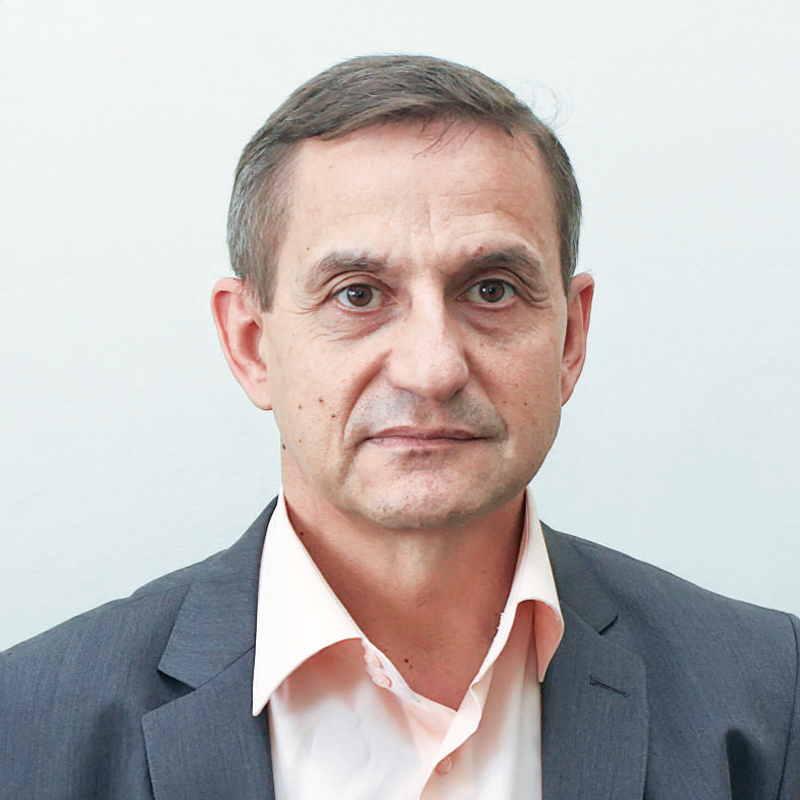
“Creating a network of teachers will help spread best practices in schools that teach foreign languages in the Republic of Moldova and provide teachers with the necessary tools to leverage linguistic and cultural diversity in the educational process. The experience and expertise of our international partners help strengthen teachers’ professional skills and modernize the educational process for the benefit of all students,” said Ivan Duminica, head of the Interethnic Relations Policy Department at the Ministry of Education and Culture (MEC).
The pilot program covers 40 educational institutions
As part of the training for specialists, discussions focused on public policy in the field of multilingual education, the CLIL methodology, supporting students in learning a second language, developing teaching materials, and creating student-centered learning models.
The program is being implemented as part of the “Gagauzia Dialogue” project, which is carried out by the Martti Ahtisaari Peace Foundation with support from Sweden, in collaboration with the National Center for Multilingual Education, the Ion Cranga State Pedagogical University, and the MEC.
In March 2026, the Ministry of Education and Research approved the expansion of the multilingual education pilot program. It now includes 40 schools and other educational institutions from several regions of the country.
Most of the participants are located in the autonomous territorial unit of Gagauzia—27 institutions. Four more institutions are located in the Taraclia District, four in the municipality of Bălți, two in Edineț, and one each in the districts of Călărași, Rîșcani, and Briceni.
Ensuring Equal Access to Education
For Moldova, the issue of language education has not only pedagogical but also social significance. The country has schools with different languages of instruction, where one of the goals remains ensuring equal access for students to quality education and expanding their language competencies.
The CLIL methodology assumes that a language is not studied in isolation but simultaneously with the study of other subjects. This approach is widely used in European education systems and is viewed as a tool for enhancing students’ linguistic mobility.
Establishing its own network of trainers could enable the education system to gradually transition from individual pilot projects to a broader implementation of multilingual teaching models.


