

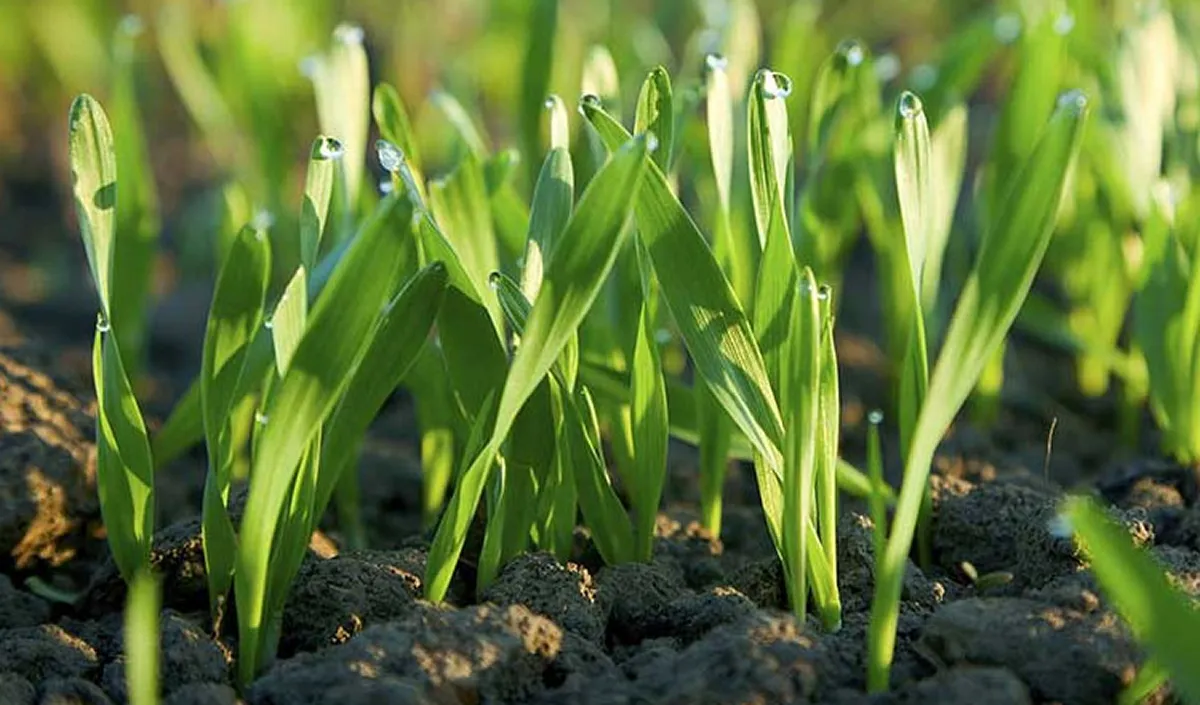
As Boris Boinchan, head of the Department of Agricultural Systems at the National Centre for Scientific Research and Seed Production, noted in a comment to Logos Press, on the one hand, weather conditions in Moldova are currently quite favourable for sowing winter crops. Thanks to September rainfall, sufficient moisture has accumulated in the seedbed. The average daily temperature is close to the optimum for sowing (15–17 degrees Celsius). On the other hand, a very significant area of agricultural land is not ready for winter crop sowing – this year’s harvest has not yet been gathered from it.
According to staff at the Ministry of Agriculture’s Crop Production Policy Department, as of now, no more than a third of all sunflower plantations have been harvested for the 2026 crop, whilst 10–15 per cent of maize has been harvested. Periodic light rainfall is slowing down the harvest. In particular, the maize grain is still damp – farmers prefer to wait for it to dry out on the cobs in the field rather than spend money on costly drying in grain silos. Current prices for the new harvest’s grain also do not encourage the allocation of additional funds for its processing.
The rising cost of production inputs, particularly diesel fuel, has also become a significant constraint on accelerating the pace of autumn fieldwork. However, according to MAIA staff, many large agricultural enterprises had already stockpiled diesel fuel and seeds back in the winter of this year. The Ministry is counting on their ability to increase the area sown with winter crops – should other (medium-sized) agricultural producers be forced to reduce their sowing areas due to a shortage of resources.
There is economic logic to this. According to estimates by Taras Vysotskyi, Ukraine’s Minister of Agrarian Policy, the neighbouring country will probably be forced to reduce the area under arable crops for the 2027 harvest by 30–40 per cent.
This story was translated with the assistance of artificial intelligence.The translation was also reviewed by the Logos Press editorial team.
Follow our updates
Have information for the newsroom? Share it with Logos-Press


















Comments
0No comments yet. You can start the conversation.
Comments are open to readers with a Logos Press account.
Sign in to comment