


These findings come from a study by Alfa-Capital, published by RBC. The calculations cover the period from 2010 to the first half of 2026. During this time, the price of silver rose by 784 per cent, palladium by 682 per cent and platinum by 181 per cent.
By way of comparison, the Moscow Exchange Total Return Index, which takes into account not only changes in share prices but also the reinvestment of dividends, rose by 309 per cent. The return on Moscow residential property, including rental income, stood at 311 per cent, whilst that of money market funds was 336 per cent.
Bank deposits yielded 330% over this period. Buying US dollars proved to be the least profitable of the options listed, yielding 159%.
Why gold came out on top
The strong performance of precious metals can be attributed to various factors. Gold is in demand as a safe-haven asset during periods of economic and geopolitical instability. Silver and palladium, in addition to investment demand, receive support from industry.
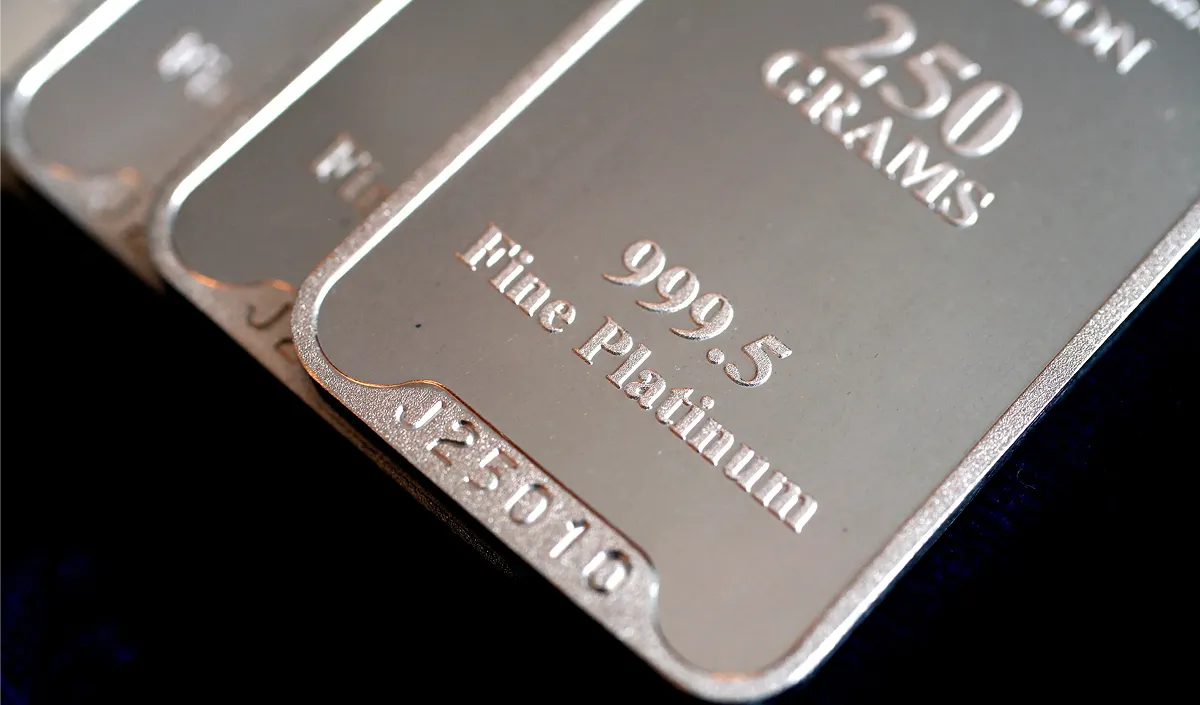
Platinum, by contrast, has long been under pressure due to falling demand from the automotive industry. Following the 2015 diesel emissions scandal, manufacturers began using less of it in the production of diesel cars. This held back price growth for the metal.
Dozens of banks are selling gold
Interest in precious metals in Russia has intensified amid geopolitical and economic uncertainty. An additional factor has been rising demand from technology sectors, including the artificial intelligence industry.
Between 2022 and 2025, Russians purchased around 300 tonnes of physical gold — a volume comparable to the gold reserves of Spain and Austria.
According to the World Gold Council, purchases of gold bars and coins in Russia totalled 9.6 tonnes in the third quarter of 2026. This is 1 per cent more than a year earlier. Over the first nine months, Russians purchased 30.2 tonnes of investment gold — 18 per cent more than in the same period of 2025.
The options for purchasing the metal have also expanded. Whilst at the start of 2022 only a few Russian banks offered gold bars, by 2026 dozens of banks, as well as refineries and Goznak, were selling them. Exchange-traded instruments for investing in precious metals are also developing.
Buying physical metal is more expensive
The authors of the study warn that high historical returns do not mean that physical gold or silver will yield the same returns in the future. When buying bullion and coins, investors must take into account the difference between the selling price and the buy-back price.
For gold bullion, this spread can be 10–20 per cent; for coins, 20–40 per cent. Furthermore, from 2024, a 22 per cent VAT rate will apply to purchases of silver bullion.
The investment prospects for different metals also vary. Dmitry Skryabin, a portfolio manager at Alfa Capital, believes that silver is currently more vulnerable than gold.
Silver is influenced not only by the US dollar exchange rate, expectations regarding US Federal Reserve interest rates and yields on US government bonds, but also by the state of global industry. An economic slowdown could reduce demand for the metal from manufacturers of electronics, solar panels and cars.
Gold enjoys additional support: central banks in various countries continue to build up their reserves with it. Silver does not receive such support from government regulators.
Follow our updates
Have information for the newsroom? Share it with Logos-Press






















Comments
0No comments yet. You can start the conversation.
Comments are open to readers with a Logos Press account.
Sign in to comment