


Getty Images
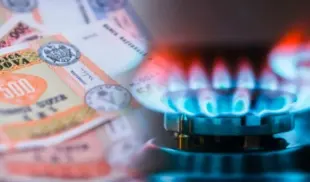
Following the reduction in Russian gas supplies, Europe has stepped up its purchases of liquefied natural gas (LNG) on the global market. However, this market remains global: European buyers are competing for the same volumes with Asian countries, where energy demand is also growing.
And the European Union will find it difficult to win this competition, according to Politico, citing analysts and officials.
The publication notes that centralized Asian economies (China, Vietnam, South Korea) are better equipped to strike gas deals on the spot market, which puts free-market-oriented Europe at a disadvantage.
After the conflict between Russia and Ukraine began, the EU granted itself the authority to coordinate joint energy purchases, but this policy is not working well, Politico writes. Even if the peace agreement between the U.S. and Iran holds, Europe may still face rising gas and electricity prices in the coming months.
“We are facing a period of tension,” TotalEnergies CEO Patrick Pouyanné told French lawmakers, noting that the bloc will be in trouble unless it quickly restores supplies from Qatar. “I don’t think prices will reach 2022 levels, but I also don’t expect them to fall as much as fuel prices did.”
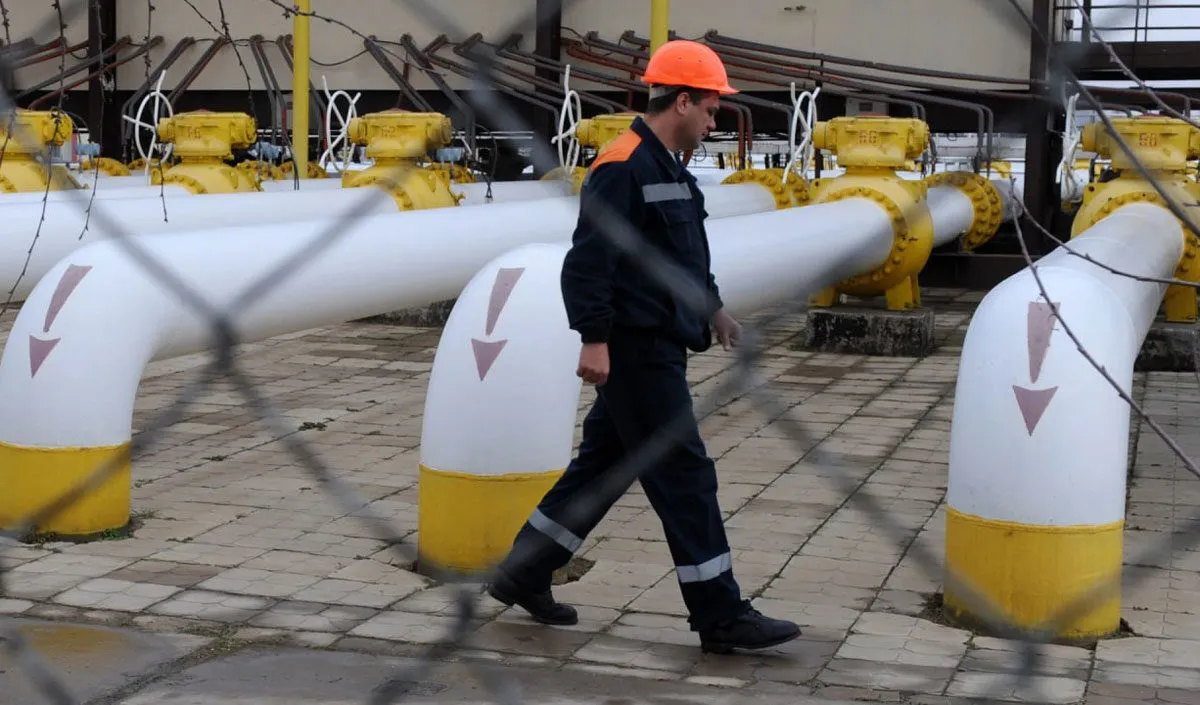
Under EU rules, member states must fill their gas storage facilities to at least 80% of national capacity by December. This is typically done in the summer, when demand and prices are lower; however, this year’s high summer prices have undermined that incentive, leaving storage levels below the five-year average.
The global market is becoming more competitive
According to market participants, the period of relatively stable access for Europe to large volumes of energy resources is coming to an end. Asia—particularly countries with rapidly growing energy consumption—is increasing its demand for gas and other resources, which could lead to fiercer competition among regions for long-term contracts and supplies.
This situation is increasing European countries’ dependence on market conditions and the availability of alternative suppliers. For some EU member states, this means they must accelerate the development of their own energy infrastructure, including renewable energy, transmission networks, and energy storage systems.
If rising Asian demand coincides with panic buying in Europe at the end of summer, it could trigger an intercontinental scramble for gas shipments.
The EU may be forced to outbid Asia to meet its storage-filling targets, noted Tobias Federico, chief analyst at Montel Energy. According to the EU energy agency ACER, this could require a 13% increase in LNG imports compared to 2025 levels—a goal that is difficult to achieve under current conditions, especially if production in the Persian Gulf does not recover.
Experts warn that, in the face of a supply shortage, EU countries may increasingly act based on their own national interests rather than a unified European strategy. Similar trends have been observed before amid energy crises.
For European industry, increased competition for energy poses the risk of persistently high prices. This is particularly significant for energy-intensive sectors—such as the chemical industry, metallurgy, construction materials production, and other segments.
This could also affect Moldova
For Moldova, the situation on the European energy market is of direct importance, as the country is integrating into the European energy space and depends on the stability of regional markets.
Increased competition for gas and electricity could affect the cost of energy imports, tariff policy, and business expenses. At the same time, developing ties with European markets and diversifying supply sources are becoming key elements of the country’s energy security.
In the long term, intensifying global competition for energy could accelerate investment in renewable sources, energy efficiency, and infrastructure projects.
However, for the upcoming winter season, the availability of gas on the European market—to build the necessary reserves—and the price of natural gas are of key importance.
Follow our updates
Have information for the newsroom? Share it with Logos-Press





Comments
0No comments yet. You can start the conversation.
Comments are open to readers with a Logos Press account.
Sign in to comment