


Vladimir Bolea
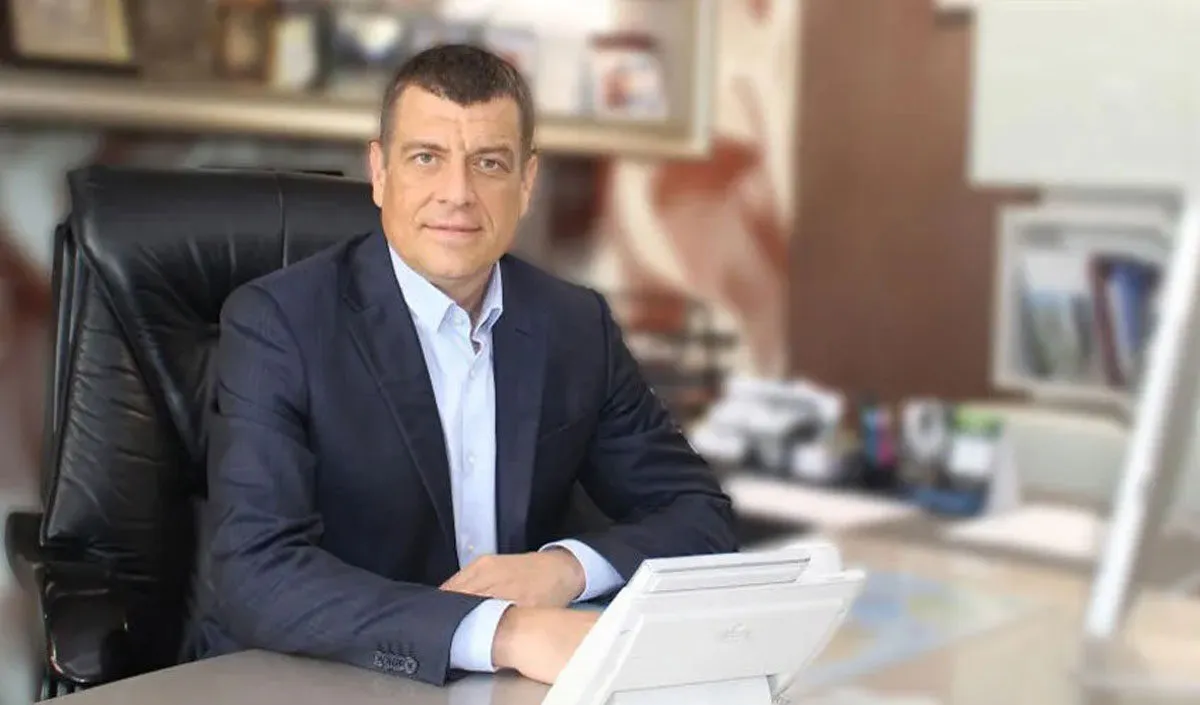
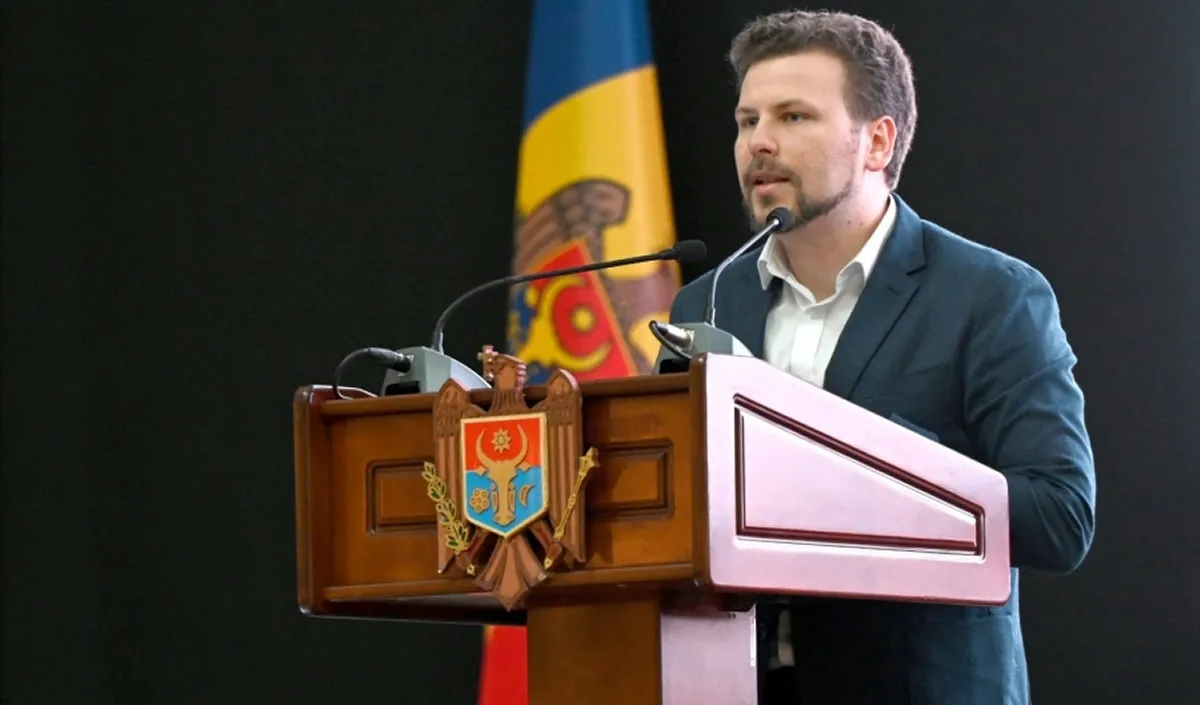
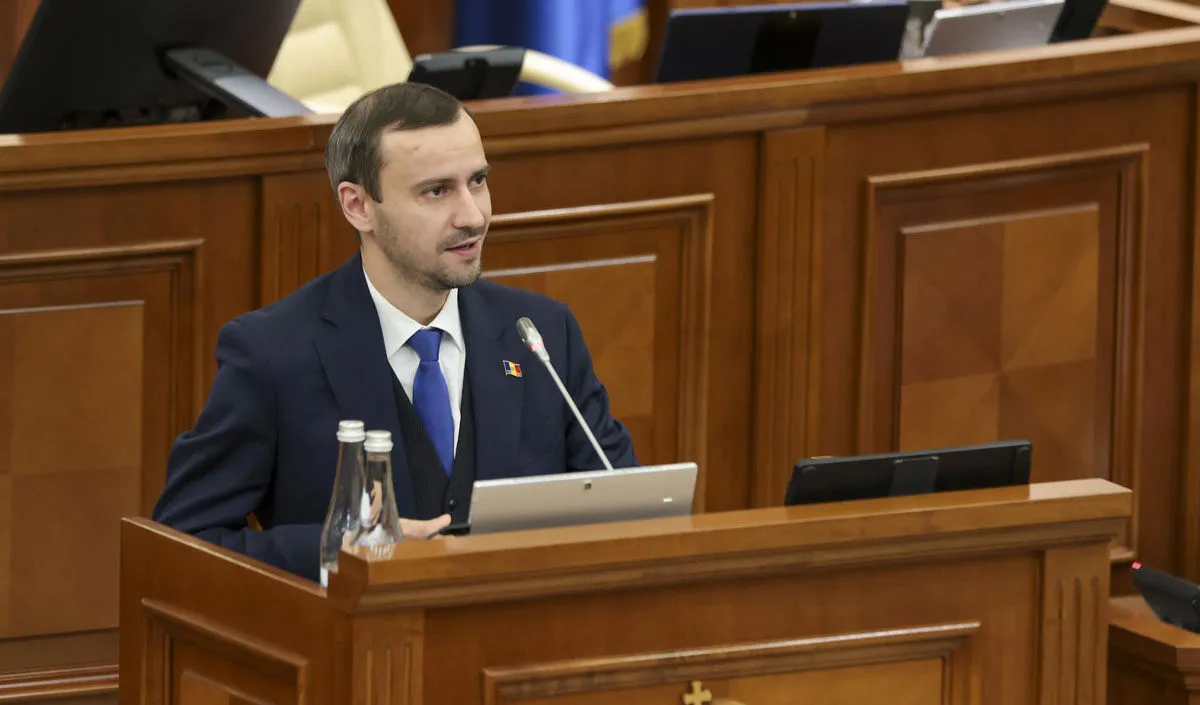
This was stated today by Vladimir Bolea, Deputy Prime Minister and Minister for Infrastructure and Regional Development, at the conference ‘National Minorities in Moldova’s New European Context: Participation, Social Cohesion and Dialogue Without Borders’, organised by the Agency for Inter-Ethnic Relations.
The event brought together representatives of government bodies, ethnic communities and international partners to discuss the protection of the rights of national minorities, their participation in public life and the strengthening of social cohesion in the context of the Republic of Moldova’s European integration.
In his address, the Minister emphasised that cultural and ethnic diversity is an important part of the Republic of Moldova’s identity, and that every community must be able to preserve its traditions whilst actively participating in the country’s development.
“We cannot talk about Moldova’s future without talking about all its people. People should not be forced to choose between their cultural identity and their belonging to the Republic of Moldova. They can preserve their language, traditions and faith whilst feeling at home in this country,” said Vladimir Bolea.
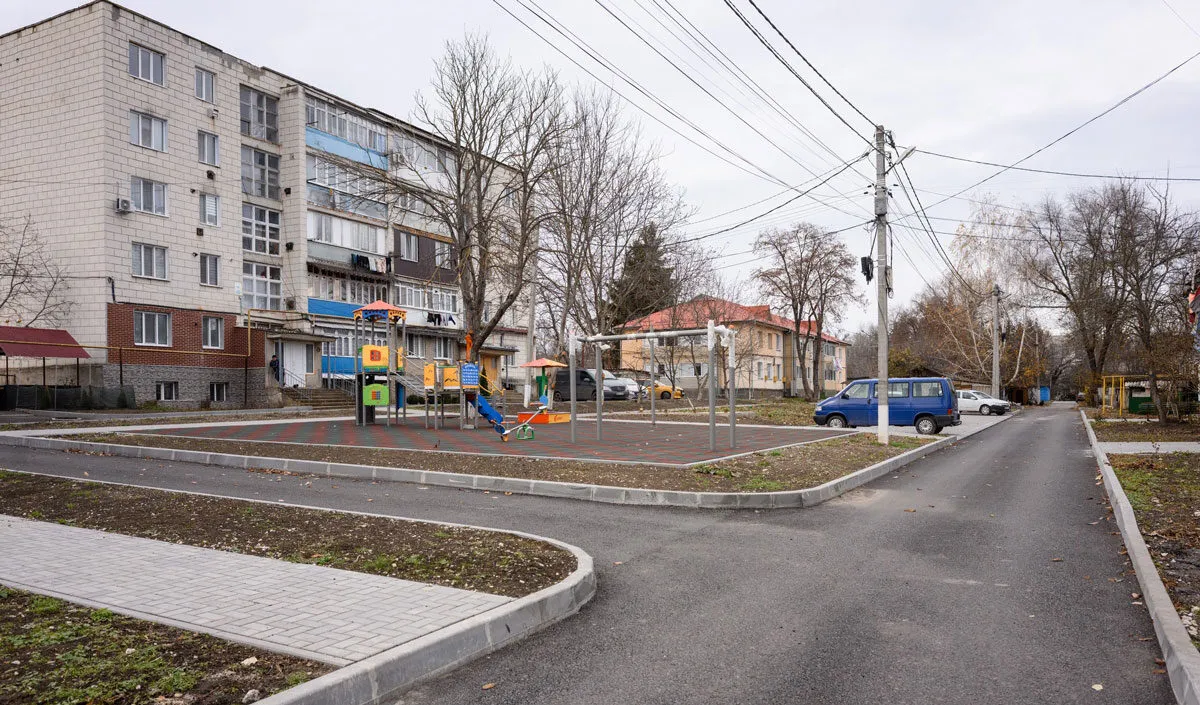
The Deputy Prime Minister emphasised that social integration is also achieved through specific investments in infrastructure, which improve living conditions and access to public services. As part of government programmes implemented by the Ministry of Infrastructure and Regional Development, projects relating to water supply and sewerage, road modernisation, the refurbishment of educational establishments and the development of public spaces are being funded across all regions of the country, regardless of the ethnic composition of the population.
Investment for all?
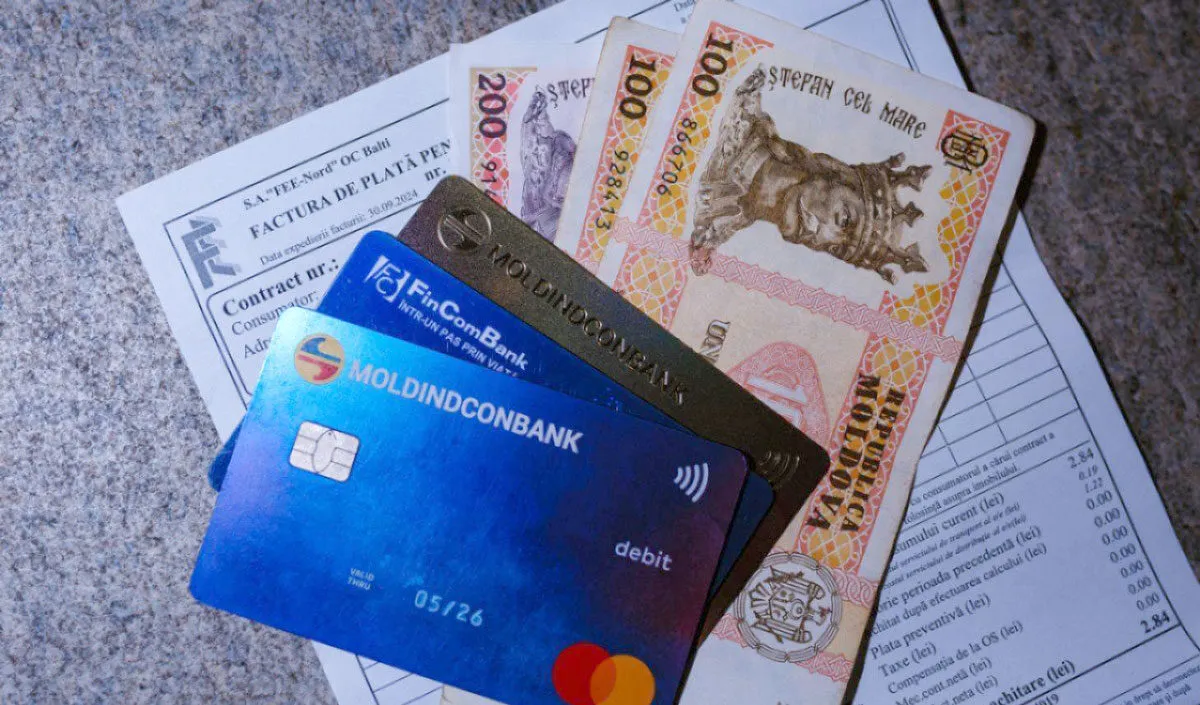
Thus, as part of the first phase of the ‘European Village’ programme, the government invested 1.65 billion lei in local infrastructure; 837 kilometres of water supply networks were built, benefiting approximately 170,000 residents. At the same time, as part of the ‘Europe is Close’ programme, 2.41 billion lei has been allocated for the reconstruction of 579 roads and access routes, which will make it easier for people to travel to schools, healthcare facilities and workplaces.
An example of inclusivity through infrastructure development is the refurbishment of Nursery School No. 7 in the Dyalul Romilor district of Soroca Municipality, a project implemented to improve access to pre-school education for children from this area.
(Admittedly, this was the only example cited by the minister. Nor did he say anything, for example, about investment in the Gagauz Autonomous Region, whose leadership regularly complains that the region’s settlements receive a disproportionately small share of funding from national funds (such as the ‘European Village’ programme or the Road Fund) compared with other parts of the country).
Nevertheless, in the context of the Republic of Moldova’s European path, the minister once again emphasised the importance of building a society in which cultural diversity is respected and every citizen enjoys equal opportunities.
“We want to see a Moldova where no child has fewer opportunities simply because of where they were born. Where no community feels forgotten. Where every person can say, in their native language, with their own traditions and history: ‘This is my country’,” concluded Vladimir Bolea.
Follow our updates
Have information for the newsroom? Share it with Logos-Press









Comments
0No comments yet. You can start the conversation.
Comments are open to readers with a Logos Press account.
Sign in to comment