


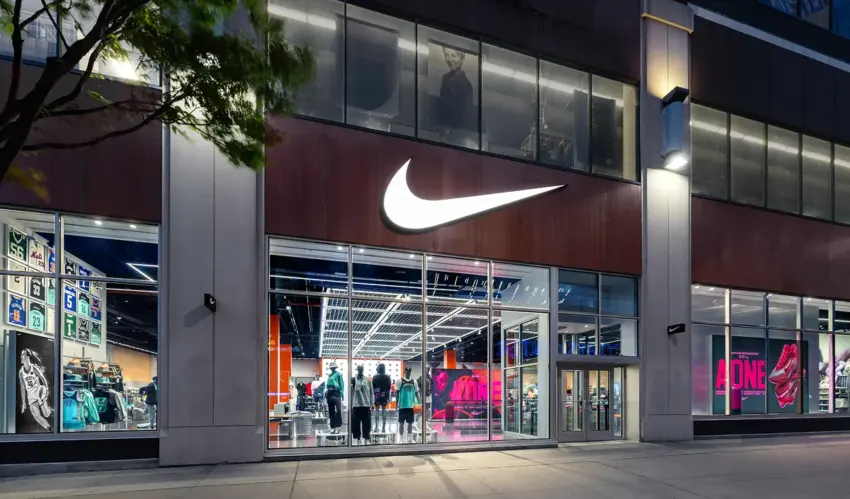
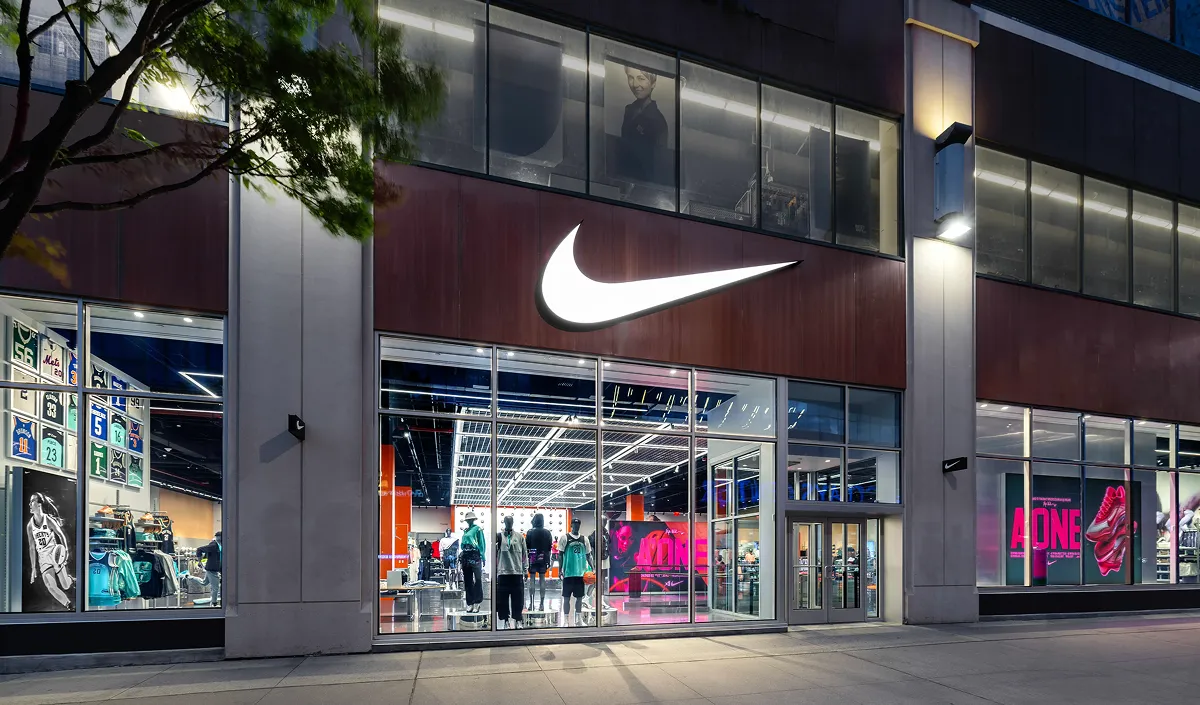
As reported by Fashion Network, one of Nike’s main challenges is the Chinese market, where revenue has been falling for nine consecutive quarters. At the end of the latest reporting period, the decline stood at 26 per cent, down to $1.2 billion. Consumers are increasingly favouring local manufacturers, particularly Anta. The subsidiary brand Converse is also facing difficulties. China and Converse accounted for around 86 per cent of the total decline in sales in recent times.
In the last quarter, Nike’s revenue fell by 4 per cent to $11.2 billion, whilst digital sales dropped by 13 per cent. For the full 2027 financial year, the company forecasts a decline in revenue of almost 10 per cent.
Restructuring and cost-cutting
Nike’s Chief Executive, Elliott Hill, has unveiled the five-year ‘Pace’ programme, which is expected to deliver savings of $2.5 billion by 2031. The main impact of the changes is expected in 2029–2030. The company intends to spend around $1 billion on redundancy payments and organisational changes. The exact number of employees affected by the redundancies has not yet been disclosed. Notifications will begin to be sent out in 2027.
Nike will also change its management structure: instead of several regional divisions, three major hubs will be created – the Americas, EMEA (Europe, the Middle East and Africa) and APGC (Asia-Pacific and Greater China). In addition, the company plans to modernise its supply chains and open a technology campus in Bangalore, India.
Focus on new products
As part of its preparations for an investor presentation, Nike showcased developments set to hit the market next year. These include the new generations of the Vaporfly 5 and Vomero running trainers, the return of the Nike Free series, and an expansion of the Nike Mind range of sensor-equipped footwear. The company also unveiled its Tuned Air cushioning customisation technology.
Nike is paying particular attention to China. This summer, the brand appointed a dedicated vice-president of product development for the region for the first time. The company is also scaling back production of retro Jordan models in an attempt to clear excess stock and restore their status as exclusive items.
At the same time, Nike is reviewing its marketing expenditure. The company has pulled out of advertising during the Super Bowl, channelling funds instead into supporting athletes and specific sporting events. Another change concerns the Chinese market: from January 2027, retail partners will be prohibited from selling Nike products via their own online shops. Online sales will continue on the brand’s official platforms, including Tmall.
Other measures to regain market share include negotiations for a contract worth over €40 million a year to supply match balls for the Champions League, Europa League and Conference League between 2027 and 2031. Nike thus hopes to replace Adidas, which has supplied the tournaments with match balls for 26 years.
However, investors expect the company not only to cut costs, but above all to deliver sought-after new products. According to market participants, it is consumer interest in new models that will determine whether Nike can overcome the crisis and regain its lost ground.
Follow our updates
Have information for the newsroom? Share it with Logos-Press






















Comments
0No comments yet. You can start the conversation.
Comments are open to readers with a Logos Press account.
Sign in to comment