


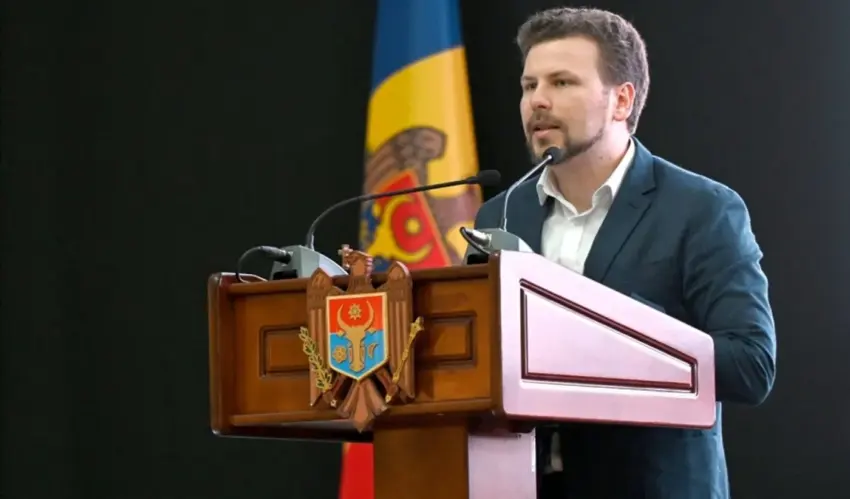
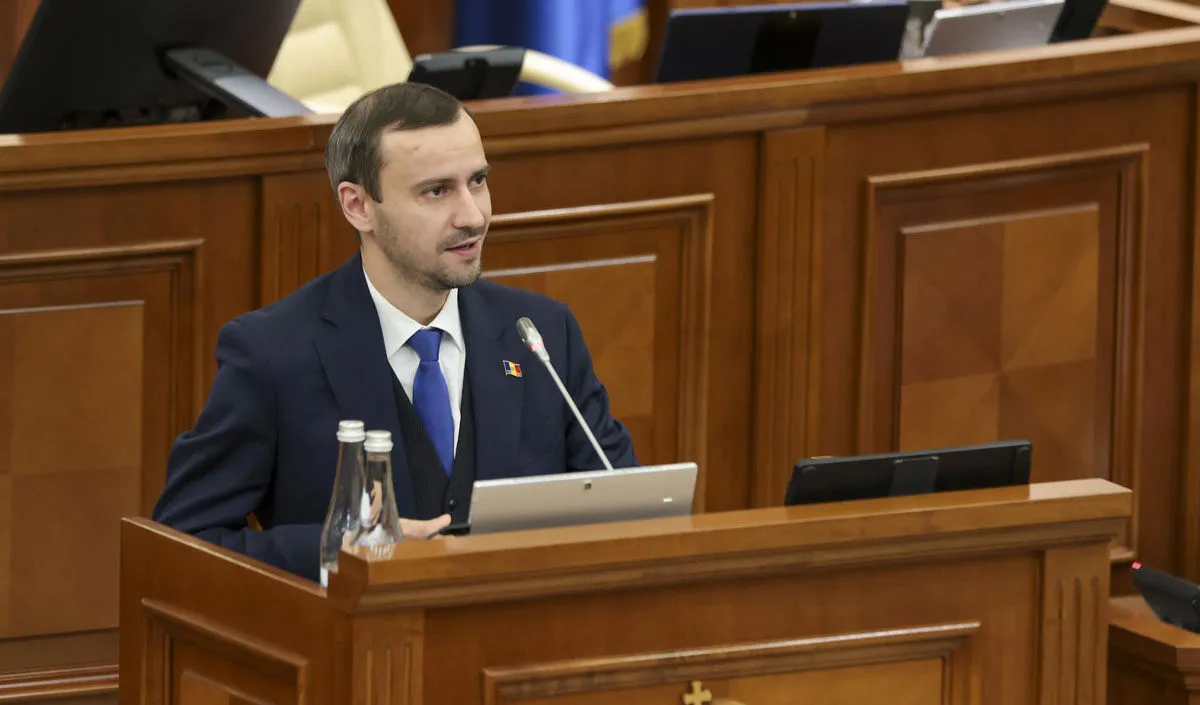
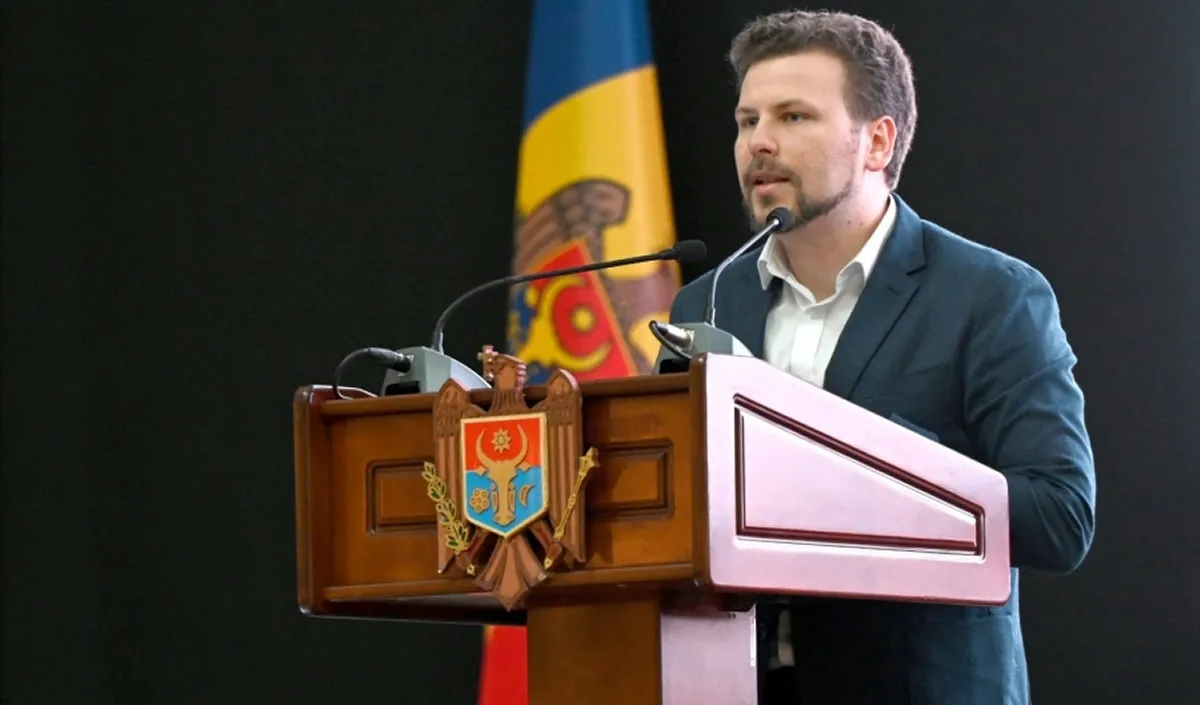
Dan Perciun
The conference, entitled ‘National Minorities in Moldova’s New European Context: Participation, Social Cohesion and Dialogue Without Borders’, is organised by the Agency for Inter-Ethnic Relations. It brings together representatives of state bodies, ethnic communities, civil society and international partners.
According to Dan Perciun, the Ministry is focusing on both the preservation of the native languages of national minorities and the study of the Romanian language.
“Recently, the Ministry of Education and Research has been paying particular attention, on the one hand, to measures supporting the learning of the native languages of national minorities and, on the other, to the learning and knowledge of the Romanian language,” the minister stated.
As part of the expansion of multilingual education, separate posts for teachers of Romanian and the native language were introduced in nursery schools in 2025. This is intended to help develop children’s language skills from an early age.
Another key area is the professional development of teachers. With Romania’s support, 120–130 teachers undergo training each year at eight Romanian universities. In addition, the Ministry plans to assess the level of Romanian language proficiency among teachers working in schools where the medium of instruction is Russian. The results of this assessment will help identify the need for further training and select appropriate programmes.
To attract new teachers, the one-off grant for graduates of teacher-training institutions has been increased to 375,000 lei.
Furthermore, on 28 October 2026, the government approved a one-off payment of 200,000 lei for teachers who relocate to the Autonomous Territorial Unit of Gagauzia or the Taraclia district to teach school subjects in Romanian. The measure is aimed at reducing the shortage of teachers and creating the conditions for opening new classes taught in Romanian.
Grants for ethno-cultural organisations and inter-ethnic dialogue
Another area of focus is support for joint initiatives that promote interaction between communities and the development of local communities.
In June 2026, the Ministry of Education and Research, in collaboration with the Agency for Inter-Ethnic Relations, launched the ‘DIALOG’ programme. Under this programme, ethno-cultural organisations can receive funding of up to 40,000 lei to implement projects.
The programme also aims to strengthen dialogue with the authorities and encourage more active participation by ethnic communities in the development of public policy.
In addition, the Ministry is preparing new measures to preserve the memory of the Holocaust, develop educational resources and support teachers who teach this subject. This work is being carried out in consultation with community representatives.
The conference agenda also includes a discussion of the draft Roadmap for 2026–2028 on strengthening social cohesion and harmonising inter-ethnic relations in Moldova. The document is being considered in the context of the country’s accession process to the European Union.
Follow our updates
Have information for the newsroom? Share it with Logos-Press












Comments
0No comments yet. You can start the conversation.
Comments are open to readers with a Logos Press account.
Sign in to comment