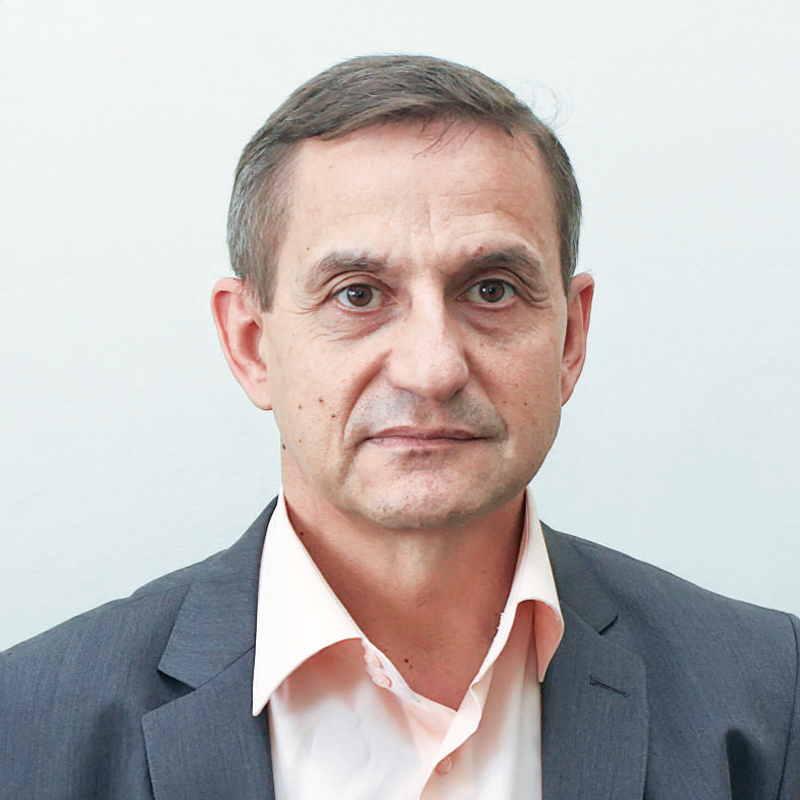

Speaking on June 24 at the World Economic Forum’s annual “Summer Davos” meeting in the Chinese city of Dalian, Li Qiang stated that artificial intelligence significantly boosts the effectiveness of innovation, but at the same time creates new challenges related to security and ethical risks. This was reported by France24.
“We cannot turn a blind eye to the risks of losing control over technology and ethical deviations, which are becoming increasingly apparent in current developments,” the Chinese premier said.
According to him, the international community must strengthen institutional mechanisms and regulations in the field of artificial intelligence, improve the effectiveness of regulation, and reduce potential risks.
Li Qiang emphasized that China will continue to participate in international dialogue on AI governance and advocates for the responsible development of technology.
AI regulation is becoming part of the international agenda
The Chinese premier’s statement came amid the accelerating development of artificial intelligence technologies and growing discussions about the need for international standards governing their use.
The world’s largest economies are trying to strike a balance between supporting technological innovation and mitigating potential threats. At the center of the discussion are issues of data security, algorithm transparency, developer accountability, and oversight of AI use in critical sectors.
At the same time, China is striving to present its own technological development as a factor in international cooperation. In his speech, Li Qiang also stated that Chinese technologies should be viewed as an opportunity for the global economy, not as a threat.
These statements indicate that artificial intelligence is gradually becoming not only a technological tool but also an element of economic and geopolitical competition.
For companies, AI regulation means the need to comply with new requirements regarding security, data processing, and the responsible use of algorithms. For governments, it means creating conditions under which technological development can be balanced with risk management.


