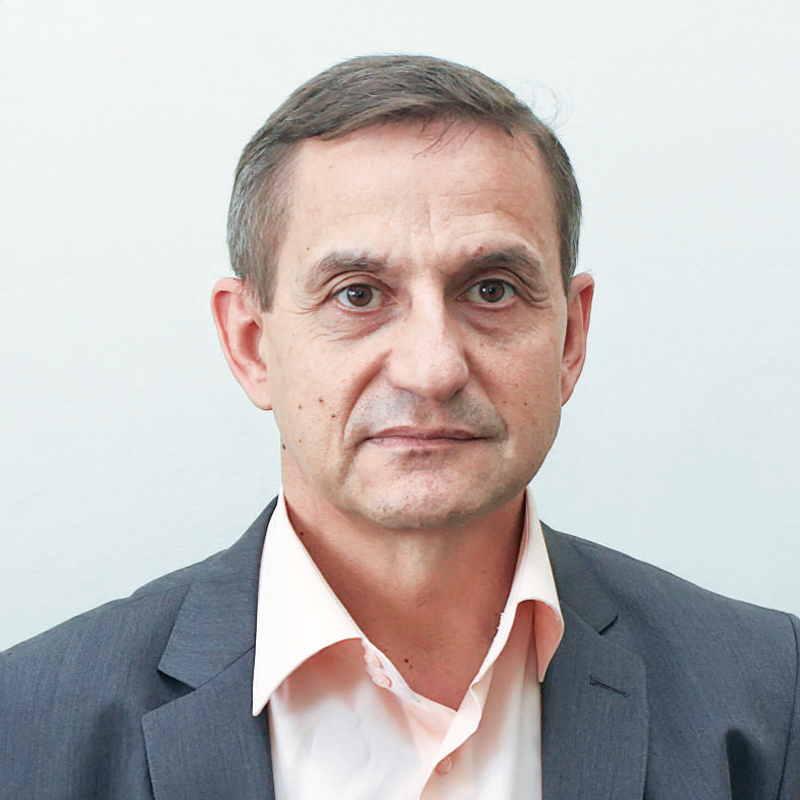

Kaja Kallas (Photo by Dursun Aydemir/Anadolu via Getty Images)
The Financial Times reports on this. Citing sources in EU countries, the publication describes the diplomatic service as “dysfunctional,” prompting major member states to begin discussions on a possible sweeping reform of the pan-European diplomatic system.
According to the Financial Times, the discussion centers on revising the role of the EU’s foreign service amid criticism of its coordination, management, and decision-making effectiveness.
What changes are being proposed
According to the publication, the initiative comes from France, Germany, and a number of other major EU powers. At the center of the discussion is the question of how well the current model meets new geopolitical conditions and allows for the rapid development of coordinated decisions.
The option of stripping Kaia Kallas and her European External Action Service (EEAS) of their powers would involve returning those powers to the European Commission (EC) and the bloc’s member states, five European officials told the FT.
“It is clear that the [EEAS] is not functioning as it should in today’s world. It is dysfunctional. The problem is structural in nature, and therefore the structure must be overhauled,” said one of the officials.
The discussion concerns the functioning of the EU’s foreign policy structure and the interaction between EU institutions and national governments. The report notes that some countries consider the existing system too complex and insufficiently effective in terms of coordination.
Among the options for reforming European diplomacy outlined in the French government’s assessment is the removal of the autonomy of the head of the EEAS. Paris, in particular, proposes limiting the powers of the top diplomat and weakening his control over a network of more than 140 missions around the world, the FT reports.
Currently, the head of European diplomacy reports to the European Commission and EU member states.
Why the issue has become relevant now
The discussion is unfolding amid growing foreign policy pressures on the European Union—ranging from security issues and sanctions policy to competition with global power centers and the need to make foreign economic decisions more quickly.
For European economies, the issue has more than just political significance. The speed of diplomatic decisions affects trade policy, investment processes, energy agreements, international negotiations, and the stability of supply chains.
In addition, three FT sources noted that budget negotiations could also provide momentum for the reform, as European capitals are insisting on spending cuts, including for the diplomatic service. Meanwhile, transferring the EEAS’s functions to the European Council or the European Commission would allow for staff reductions and cost savings.
However, this is not yet a final decision but rather an internal discussion of possible reform options. The scope of the changes and the timeline for implementation have not been publicly defined.
Nevertheless, the initiative is already sparking heated debate among member states, and the course of the discussions is being closely watched even outside the EU.
Possible consequences for partner countries
If the reform moves forward, the changes could affect the EU’s engagement with candidate countries, neighboring markets, and external partners.
This directly applies to the Republic of Moldova as well.
For countries focused on European integration and participation in pan-European programs, it will matter whether the EU’s foreign policy becomes more centralized or whether some powers are returned to national capitals.
It is clear that in the latter case, the process of European integration for Chisinau will become more complex and convoluted.


