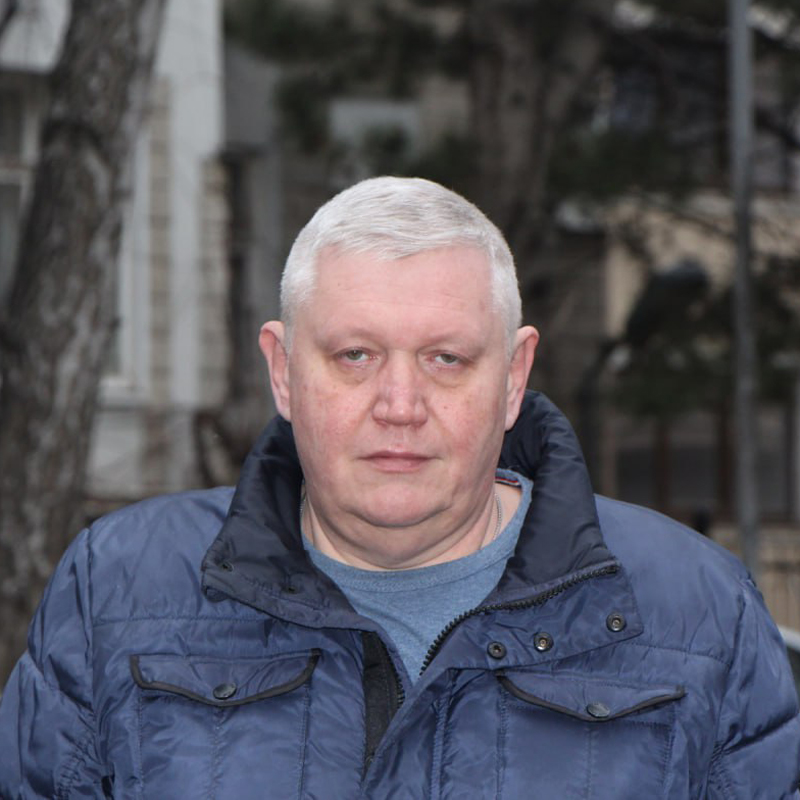

According to the prime minister, the decision is aimed at increasing state budget revenues, despite the possible consequences for the banking sector.
“This measure has its risks. One of them is that withdrawing one leu from banks’ capital could lead to a reduction in lending of approximately six lei. We have carefully analyzed the situation. Despite the risk of a reduction in lending volumes, I consider this measure justified,” explained the prime minister.
Key Provisions of the New Tax Framework
The government plans to officially present the new tax policy on Thursday, August 6, after which the document will be sent out for public consultation. Previously, the Ministry of Finance had already proposed a draft that was discussed with stakeholders, but some of the initiatives sparked discontent. The previous version of the reform sparked widespread public outcry.
Tofan acknowledged that the first version turned out to be “too ambitious” and did not take into account economic risks and the vulnerability of the population. Therefore, the new version will take a more cautious approach to taxes on food, gas, and electricity in order to protect the most vulnerable households. The prime minister promised a measured unification of the VAT and changes to support citizens.
Reducing the Tax Burden on Labor and Combating the Shadow Economy
The authorities promise to reduce labor taxes and stimulate investment. According to Tofan, low-income citizens will pay less income tax. However, the specific details of the changes and the possible increase in the tax burden on businesses have not yet been disclosed.
The package may also include an increase in the minimum wage. Tofan emphasized that tax measures must go hand in hand with an increase in the minimum wage—this will help combat gray-market schemes in which employers underreport official wages and pay the rest under the table. The prime minister noted that some business owners take advantage of low taxes, withdraw profits through dividends, and then use those funds for unreported payments.
Excise Taxes on Harmful Goods and Gambling
The authorities have outlined specific plans to raise excise taxes on cigarettes, alcohol, and gambling. Tofan explained this by citing the medical and social consequences of their use.
According to the head of government, smoking, alcohol abuse, and gambling cause serious harm to people’s health and often lead to family problems; therefore, the state must address the situation, including through tax policy.
Tofan noted that excise taxes on tobacco products must be increased. He also spoke about his personal experience, admitting that his father was a heavy smoker and had been in critical condition several times, which is why the issue of combating smoking is of particular importance to him.
According to the prime minister, a similar approach should be applied to alcoholic beverages.
In addition, Vasile Tofan drew attention to the scale of the country’s residents’ spending on gambling.
“I admit, I didn’t know this figure, but every year Moldovans spend 10 billion lei on gambling and lotteries. We would all prefer this money to be spent on books, food, and healthcare, rather than on gambling. We bear responsibility here, but this is also an opportunity to increase budget revenues and demonstrate social responsibility by imposing some restrictions on this sector,” said Prime Minister Vasile Tofan. He added that, as he put it, he is “partly complicit” in what is happening.
Encouraging Domestic Reinvestment
Another goal is to encourage companies to reinvest their profits within Moldova rather than transfer them to Romania, Dubai, or other jurisdictions. The government promises to incentivize this approach.
The new tax policy, which includes higher tax rates for the financial sector and excise taxes on harmful goods, aims to redistribute the tax burden and protect vulnerable segments of the population through adjustments to the VAT rate and a possible increase in the minimum wage.


