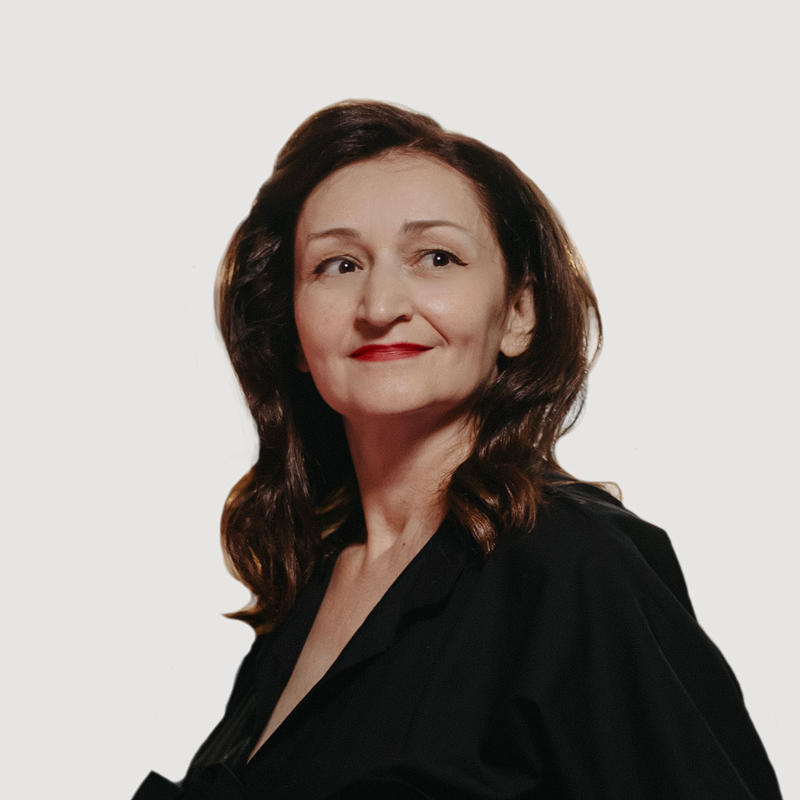

Dina Roshka
Hundreds of millions in unspent funds
MP Adrian Lebedinsky, chairman of the Public Finance Oversight Committee, noted that many institutions are experiencing significant delays in spending funds, amounting to hundreds of millions of lei.
“In 2025, we faced an inability to disburse funds in various sectors. We’re talking about the economy (620 million lei), education (418 million lei), and social protection (356 million lei). What’s the problem? Why are we unable to utilize them? Especially since new funds are expected from development partners. Will we be able to utilize them?” the MP asked.
The problem has persisted for many years
Dina Rosca, Secretary General of the Ministry of Finance, acknowledged that the low absorption rate of funds—both for externally funded projects and for budget-funded projects—is an ongoing problem:
“This problem has persisted for many years—the issue concerns the capacity or ability to absorb allocations, especially within the framework of investment projects funded from external sources and investment projects funded from the budget. The situation remained the same throughout 2025. Work is ongoing. We are in constant communication with government agencies. We have already made a number of amendments to Law No. 181 (the Law on Public Finance and Budgetary and Fiscal Responsibility— ed. Logos Press) to increase the accountability of agency heads for investment projects and projects financed from external sources, based on the commitments they have made.”
A stricter monitoring mechanism
The executive branch has decided to implement a stricter monitoring mechanism. Under the Prime Minister’s leadership, weekly budget execution reviews are conducted at the State Chancellery.
“Every week, each minister will be required to report on which projects and commitments they have undertaken, the status of any project delays, the obstacles involved, and what measures we are taking regarding the project implementation units. To a large extent, every investment project and every project financed from external sources has its own implementation unit. If they fail to fulfill their established duties, tasks, or objectives, the situation will be clarified with each unit,” Roshka stated.
It is worth noting that, according to data presented at the meeting, in 2025, 1.8 billion lei were allocated to servicing the external public debt—paying interest and fees—while 7.9 billion lei were used to repay the principal. In dollar terms, $102.5 million was spent on servicing the external debt, and $455.8 million on repaying the principal.


