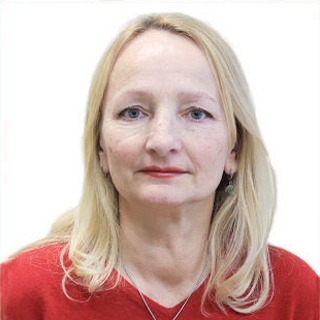

Rumen Radev/Facebook
The election follows five years of crisis during which no government has lasted a full term. The country has seen successive interim administrations and short-lived alliances, which often collapsed amid scandals.
Radev, a former air force general who resigned as president in January, formed his Progressive Bulgaria coalition after the government resigned in December. Within weeks, he surged to the top of the polls.
Polls put hissupport atmore than 33%
According to their results, Radev’s new party “Progressive Bulgaria” could take the first place with more than 33% support, Euronews states.
This growth and his position invite comparisons with Hungary and, in particular, with Prime Minister Viktor Orban.
Radev has opposed military aid to Kiev, arguing that such support risks dragging Bulgaria into war, and has called for dialog with Moscow.
In a recent speech, he criticized Brussels, accusing it of prioritizing ideology over economic pragmatism.
According to him, EU economic decisions are no longer based on real benefits but on ideological correctness, and market and investment policies are not aimed at maximizing profits.
Building a possible coalition will be difficult
Shortly before Bulgaria officially joined the eurozone, Radev tried to hold a referendum on the issue.
This was rejected by both Parliament and the Constitutional Court, but he continues to argue that the people should have been consulted and that the introduction of the euro was premature.
Despite leading in the polls, Radev is unlikely to govern alone. However, campaign rhetoric has made the formation of a future possible coalition extremely difficult.


