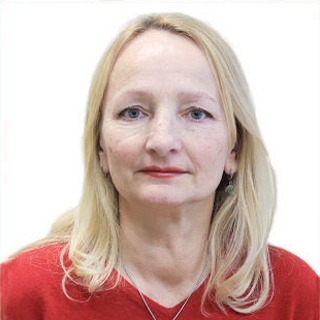

Gheorghe Răilan
“It is important to note that CALM has never been opposed to reform. We supported the idea of consolidation long before the current government took office, advocating for a responsible and transparent approach based on best international practices,” says Gheorghe Răilanu.
Estonia is often cited as a model for municipal consolidation. He explains that the reform there was carried out based on clear criteria that identified the main problems facing municipalities and their specific solutions before or during the reform, rather than after it. The public was involved, and the consolidation gained support.
“In the case of France, for example, in small municipalities, the administration consists of just two people—the mayor and the secretary. In other words, there are alternatives for saving public funds without forced restructuring and without losing local autonomy,” he explains.
The reform could be reversible
In the case of Moldova, no in-depth reform of local government is being carried out alongside the consolidation. The principles of subsidiarity—services should be delivered as close to citizens as possible; sustainability—reforms must be stable and long-term; and local autonomy—communities must retain their right to make decisions—are being ignored.
Gheorghe Raylanu emphasizes the risk that the reform could be reversed. Consolidation without a solid foundation could be undone later, leading to instability and confusion, he believes. He also notes that in some cases, there is excessive centralization: large city administrations risk becoming the equivalent of the former districts, which contradicts the goal of decentralization.


