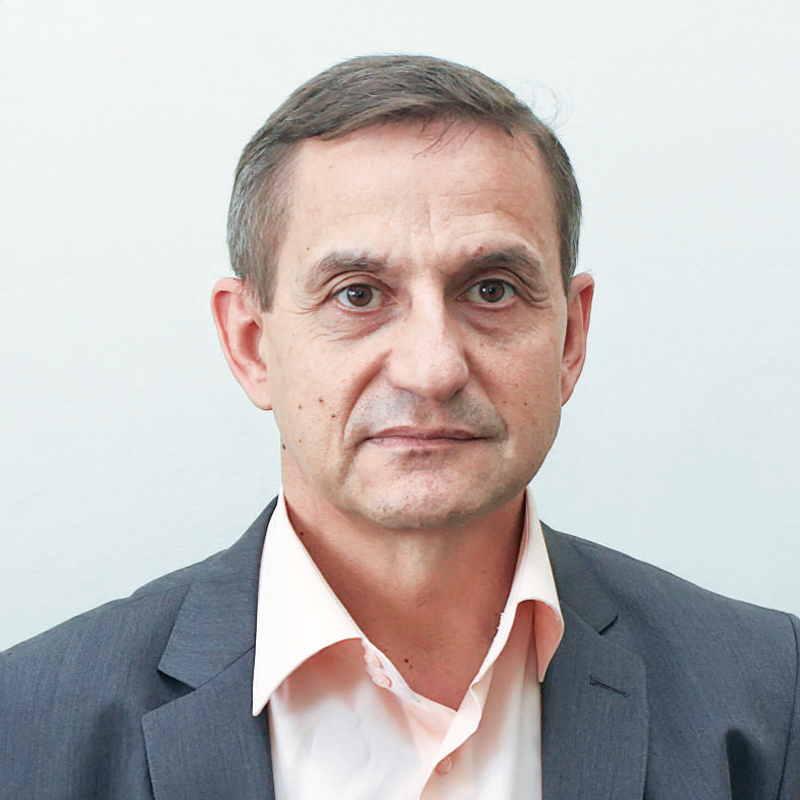

Vladimir Bolea
During the online meeting, the Moldovan side reiterated its intention to open a representative office of the Transport Community in Chisinau and to transition from its current observer status to full membership in the organization.
According to the Ministry of Infrastructure and Regional Development, the parties discussed Moldova’s priorities in the transport sector and areas for further cooperation following Talis Linkaits’s appointment as director of the Transport Community’s Permanent Secretariat in early August.
Vladimir Bolea highlighted Moldova’s cooperation with the Transport Community, including support in the process of harmonizing national transport legislation with that of the European Union.
Special attention was given to Moldova’s participation in the organization’s initiatives and events, as well as to cooperation with member countries to study European experience and practices in the development of the transportation sector.
One of the stated priorities remains the opening of a Transport Community representative office in Chisinau. According to the Moldovan side, this should facilitate ongoing dialogue and closer cooperation between national authorities and the organization.
The next goal is full membership
Another topic of the meeting was Moldova’s intention to change its status within the Transport Community.
Vladimir Bolea stated the country’s desire to transition from its current observer status to that of a full member of the organization.
For his part, Talis Linkaits noted Moldova’s progress in bringing its transport sector into line with European standards and expressed his willingness to maintain an ongoing dialogue with the country’s authorities.
The new director of the Permanent Secretariat also stated his intention to visit Moldova to discuss in greater detail the priorities and future directions for the development of the transportation sector.
For Moldova, cooperation with the Transport Community is primarily linked to the further adaptation of national regulations to European requirements. The transition to a closer format of interaction with the organization could become part of the country’s overall process of integration into the EU’s transport and regulatory space.


