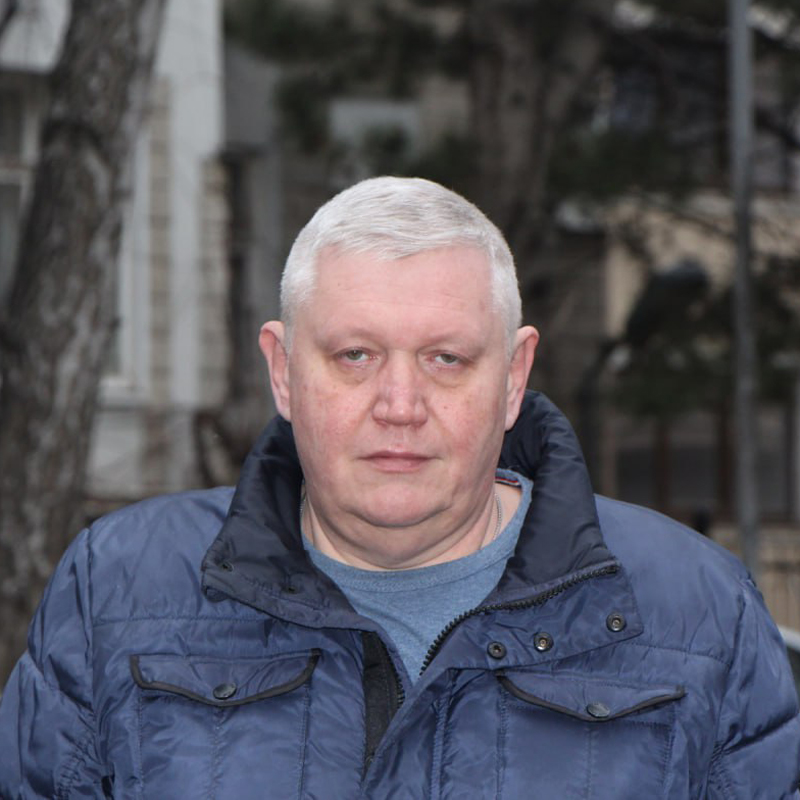

Also present at the meeting was Tokutaro Nakai, former Deputy Minister of the Environment of Japan, who is currently a member of the SDG Impact Japan leadership team and an active participant in the Millennium Development Goals Fund.
The discussion focused on opportunities for developing and financing decarbonization projects in the Republic of Moldova, including a proposal for a local company to produce and utilize biogas.
Alcohol production waste will be converted into biogas
During production, the facility generates approximately 900 metric tons of distillation waste per day; by installing a methane fermentation or anaerobic digestion system, about 250 metric tons of this waste will be converted into biogas daily. This biogas will be used directly in the distillation process, reducing the plant’s dependence on natural gas. By recovering energy from the waste generated during production, the project will help reduce greenhouse gas emissions by more than 10,000 metric tons of CO₂ per year, improve energy efficiency, and promote the rational use of resources at the plant.
At the same time, other project concepts in the field of renewable energy were also considered, energy efficiency, and greenhouse gas emission reductions, which could receive support under cooperation mechanisms offered by the Government of Japan, particularly through the Joint Credit Mechanism, of which the Republic of Moldova has been a member since 2022.
Decarbonization and CO2 Emissions Reduction
The Joint Credit Mechanism is a bilateral carbon credit system established by the Government of Japan. Under this mechanism, Japan cooperates with more than 30 countries worldwide to implement projects aimed at decarbonization and reducing greenhouse gas (GHG) emissions, and the emission reductions achieved through these projects are recognized and allocated in the form of carbon credits. This contributes to achieving the climate goals adopted by both countries under the Paris Agreement.
Representatives from the Ministry of Energy and SDG Impact Japan agreed to continue their dialogue to identify and develop specific projects with financial potential and the capacity to reduce greenhouse gas emissions and facilitate the transition to a greener and more sustainable economy.


