


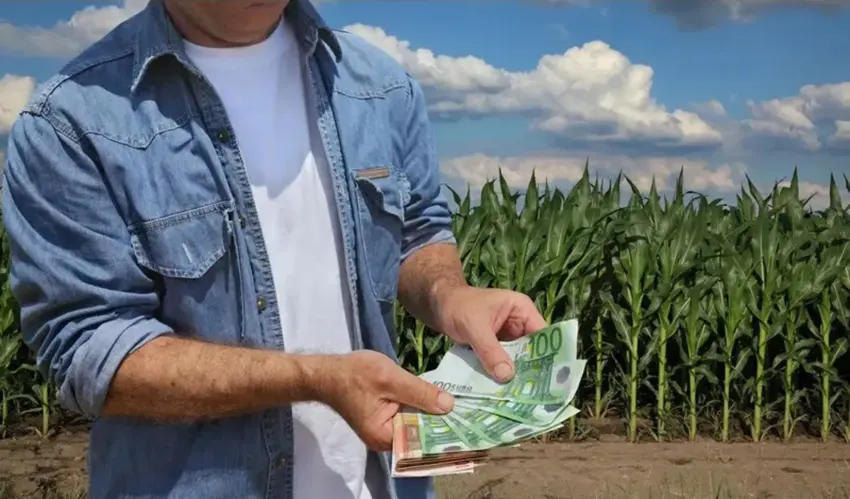
The farmers have asked for nothing more and nothing less than a review of the principles and content of the Strategic Programme for Agricultural Policy (PSPA) for 2026–30.
This means that, one and a half months before the end of this year and during the first few months of 2027 (that is, before the next round of agricultural subsidy payments), Forța Fermierilor is proposing to rewrite the policy document for this crucial period (in preparation for EU accession), work on which took the previous cabinet more than a year to complete.
And all this must be accompanied by an acknowledgement of political responsibility for the de facto failure of the PSPA programme, which was adopted by the current government just a few months ago.
What is wrong with the PSPA programme?
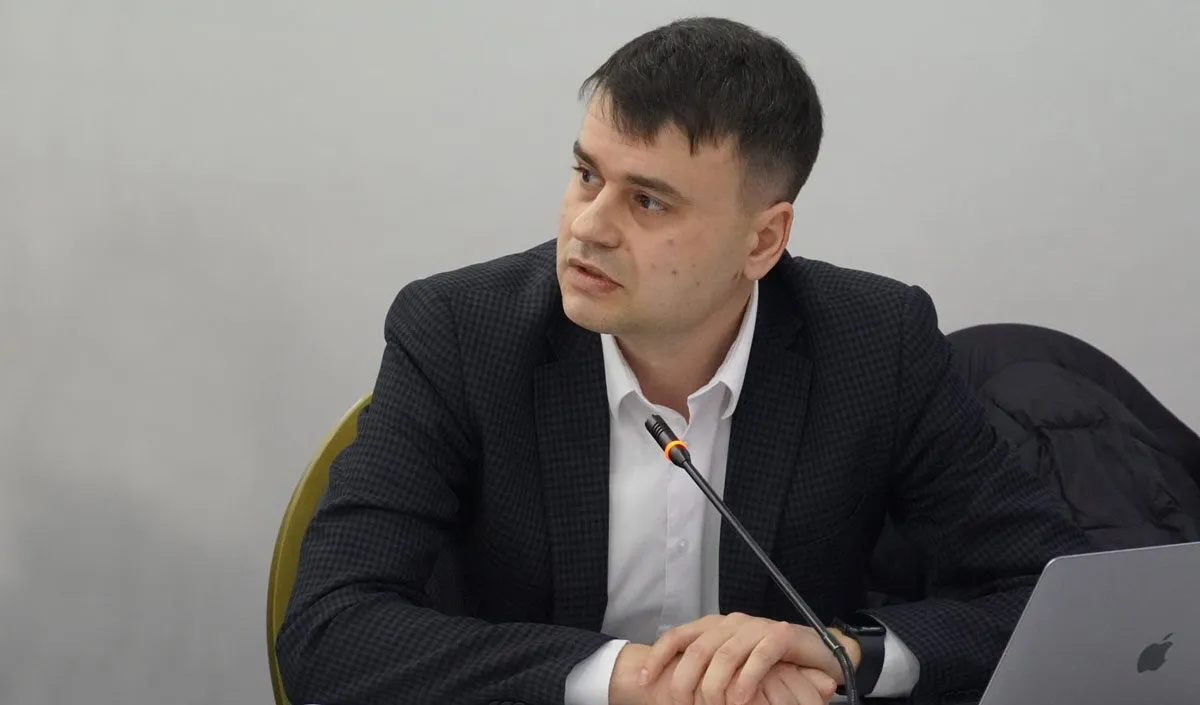
In a comment for Logos Press, Alexander Slusari, director of the Forța Fermierilor Association of Grain and Oilseed Producers, noted that the main shortcoming of the PSPA is the programme’s weak financial and economic justification and, in many respects, its ‘niche nature’.
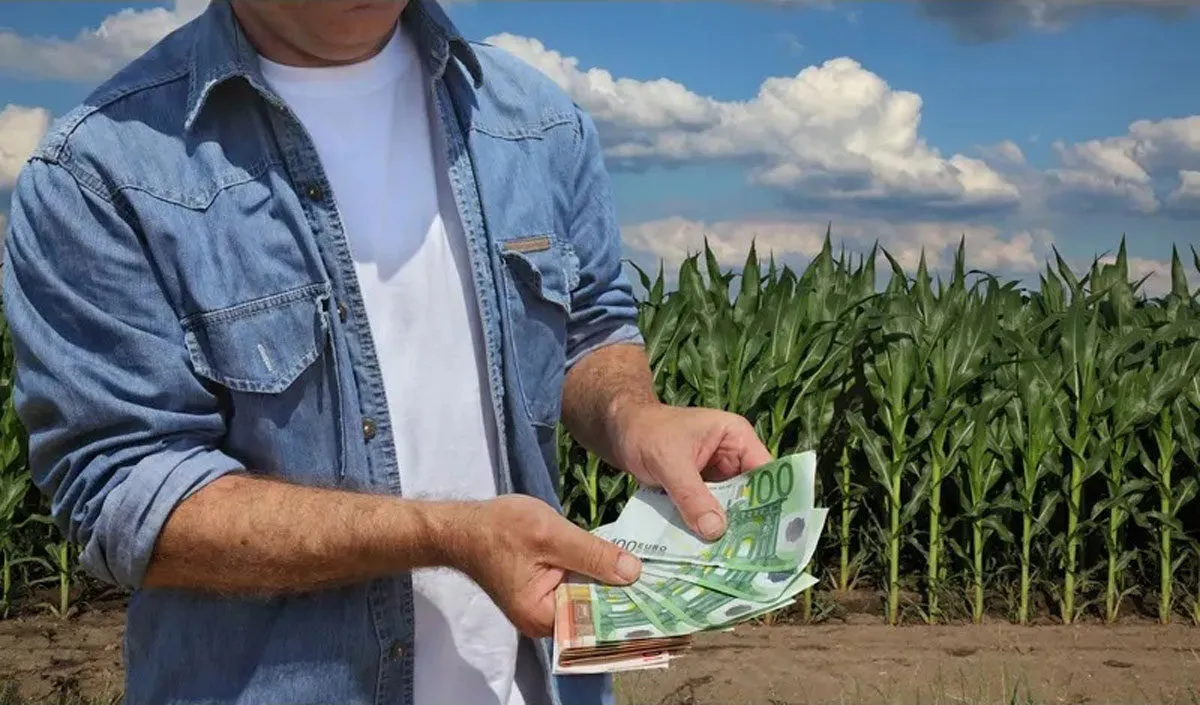
In the sense that direct farm subsidies – ‘per head of livestock, per kilogramme of produce and per hectare of crops’ – are provided only in the livestock sector (which no one disputes), as well as in small-scale sectors such as vegetable growing, sugar beet cultivation and so on.
Meanwhile, approximately 80 per cent of agricultural land in Moldova is used for growing cereals and oilseeds, and producers of these crops are, in principle, not eligible for direct payments from the National Fund for the Support of Agriculture and Rural Areas.
To be fair, it is worth noting that, based on the results of the fund’s implementation in 2026, producers of milk, vegetables and sugar beet will not receive direct subsidies either. According to Forța Fermierilor’s conclusions, this precisely confirms the lack of sufficient financial coverage and the lack of justification for the PSPA’s priorities.
Alexander Slusari agrees with the assertion that the PSPA was based on certain fundamental principles of the European subsidy system – direct payments ‘per hectare/unit of production’ and a competitive selection process for state-funded investment projects by farmers. However, as the representative of Forța Fermierilor points out, direct payments to farmers in the European Union account for approximately 80 per cent of the pan-European agricultural subsidy fund, whereas in Moldova – under the adopted PSPA scheme – this figure is, at best, 20 per cent.
Furthermore, the competitive selection of investment projects – the preparation of ‘applications’ for which consumes significant resources, including intellectual, financial and time – automatically excludes micro and small farmers from the pool of potential beneficiaries.
Finally, in the Moldovan context, the competitive selection of projects is a guaranteed triumph of the ‘human factor’ (with all the resulting corruption risks and consequences).
‘We are not claiming 80 per cent of the financial resources of the agricultural subsidy fund,’ notes Alexander Slusari. ‘To begin with, it would be enough to “adopt” a long-standing proposal from farmers – to divide the fund on a 50/50 basis: half for direct payments to agricultural producers, half for everything else. In that case, approximately 500 million would be sufficient for ‘subsidies per hectare’ for small farmers growing arable crops. The problem is that we do not yet even know what the actual size of the budget for the fund to support agricultural producers and rural areas will be in 2027. According to the PSPA, it is something around 3 billion lei, but we have already seen the ‘quality’ of the programme’s financial assessment.
The problem of debts
According to a rough estimate by Forța Fermierilor, the Moldovan authorities’ debts to farmers, relating solely to subsidies for the previous year and part of the current year, amount to around 1.5 billion lei.
It must be acknowledged that the estimated amount of arrears for the current year has decreased, but has not been cleared entirely. At the same time, the PSPA programme was specifically designed with a view to resolving the issue of ‘historical debts’ relating to subsidies. In principle, it does not provide for categories such as debts and their repayment from budgets in subsequent years.
Consequently, this issue must also be resolved in some way at the turn of 2026 and 2027. From the farmers’ perspective, it is desirable that this be done in accordance with the fundamental principle of continuity in public policy.
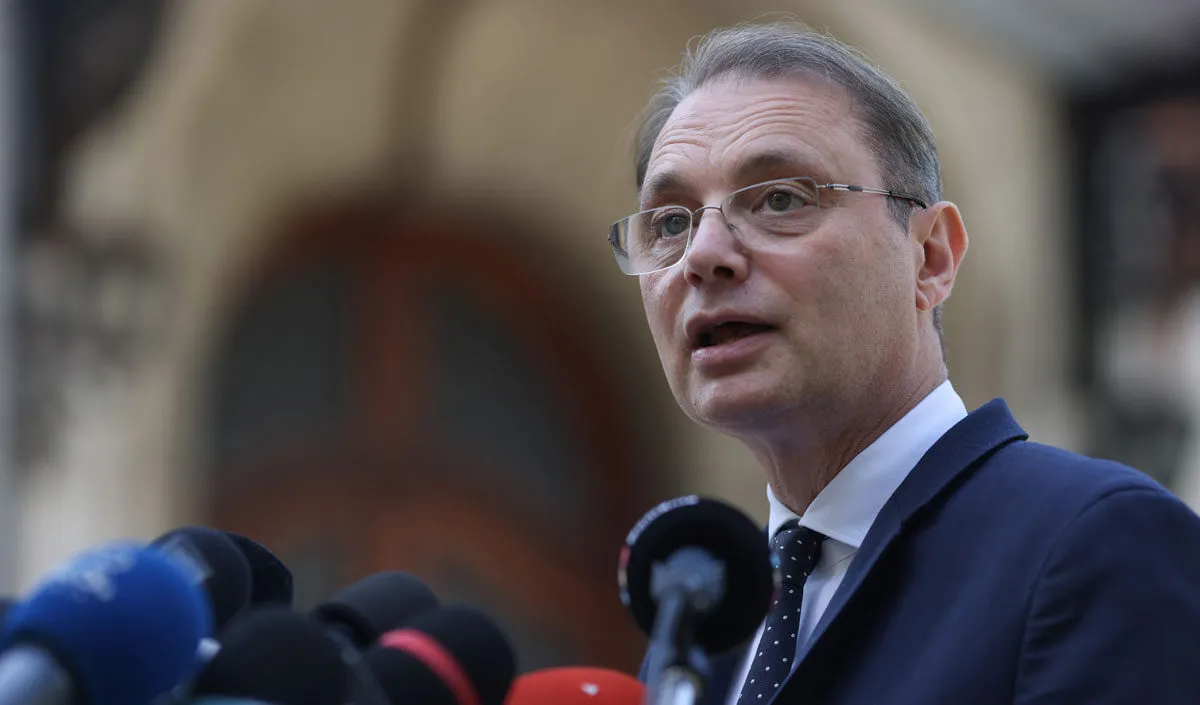
There is an even more ‘pressing issue’ in this area. According to MAIA Minister Eugen Osmochescu, at present more than 1,900 agricultural producers have at least one overdue obligation to financial institutions. Meanwhile, the moratorium on the enforcement of these obligations, announced by the authorities, expires on 18 December.
“This does not mean that all farmers in debt will automatically go bankrupt,” notes Alexandru Slusari in this regard. – However, the fact remains that, according to Forța Fermierilor’s estimates, there were almost four times fewer such farmers at the end of last year. And this means that lending to a significant number of farmers by banks and other financial institutions is now, at this crucial time when farmers are purchasing production resources for the entire season, very much in doubt. Many experts are already predicting that the coming season will be characterised by a shortage of fertilisers and seeds, and consequently by a decline in agricultural production.”
Excise duties on diesel fuel
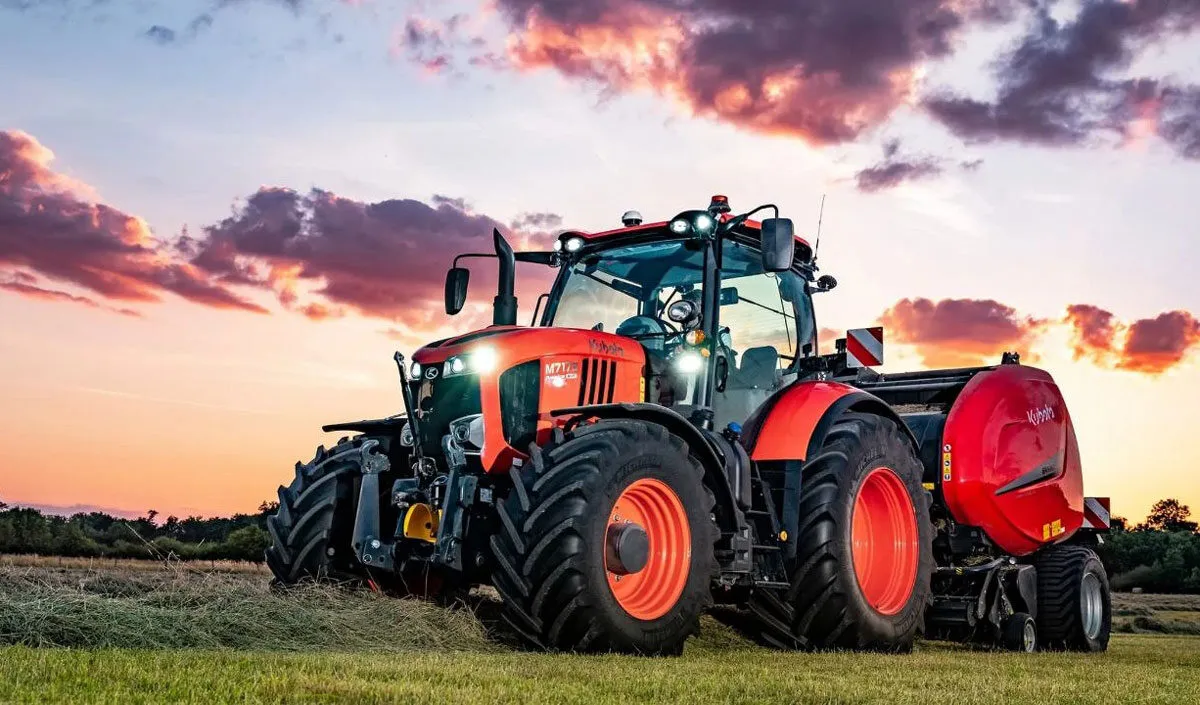
Another extremely pressing and, by all accounts, long-standing problem. Representatives of Forța Fermierilor point, firstly, to the multiple price rises in diesel this year; secondly, to the lack of a full refund of excise duties on fuel purchased for agricultural work this year, as previously requested by the association; and thirdly, to the anticipated rise in excise duties in the coming years.
Consequently, until December 2026, the Forța Fermierilor association is awaiting answers to three key issues – debts, excise duties on diesel and per hectare subsidies – which were raised at the start of the year. It is unlikely that anyone is currently able to predict ‘with a high degree of certainty’ what the response from MAIA and the government as a whole will be.
Follow our updates
Have information for the newsroom? Share it with Logos-Press















Comments
0No comments yet. You can start the conversation.
Comments are open to readers with a Logos Press account.
Sign in to comment