


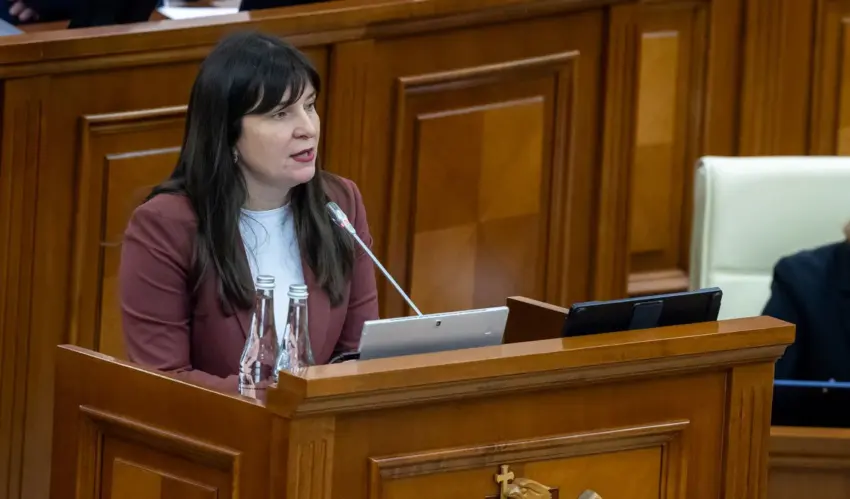
Victoria Belous
According to data presented by the Ministry of Finance, salaries will rise by an average of 15.7 per cent. For example, employees working in the defence sector will receive a 20.6 per cent increase. In the fields of public order and public administration, salaries will rise by 15 per cent, and in education, culture and sport – by 14 per cent. Increases of 13 per cent are envisaged for staff at state-funded healthcare institutions and for those in the social care sector. Furthermore, salaries for technical staff will rise by 19 per cent. Allowances for holding academic titles will also be increased.
According to the authors, the reform of the unified pay system in the public sector aims to ensure a fair, transparent, competitive, motivating and financially sustainable system. Key objectives include ensuring comparable salaries for roles of a similar level of complexity, promoting equity and vertical competitiveness, and establishing transparent mechanisms to incentivise performance. The ratio between the minimum and maximum salaries is set to fall to 1:10.5, whereas at present it reaches, in some cases, 1:26.
Salary structure and special payments
The draft law clarifies the components of the monthly salary. This will consist of the basic salary and a variable component, which may not exceed 30 per cent. At the same time, the fixed monthly allowance, which currently stands at 1,300 lei, will be included in the basic salary. Another change concerns the gradual reduction in the number of exceptional reference values. Thus, from the 10 values currently in place, their number will be reduced to a maximum of six by 2027 and to four by 2032.
Changes are also proposed regarding the performance-related bonus, so that it becomes a selective and credible tool for motivating employees. The annual fund allocated for this purpose will be reduced from 10 per cent to 4 per cent of the annual total of basic salaries at the budgetary unit level. Employees rated ‘excellent’ will receive a performance bonus of 10–15 per cent of their basic salary, whilst those rated ‘very good’ will receive between 5 and 7 per cent. At the same time, the current system of specific bonuses, the values of which range from 10 per cent to 120 per cent, will be replaced by three caps applied to their annual total: 10 per cent, 20 per cent and 30 per cent. At the same time, one-off bonuses awarded on professional occasions and public holidays will be capped at 10,000 lei per year. From 2028, a complexity index will be introduced for roles in the information technology sector.
The draft also includes transitional mechanisms to protect employees’ incomes by providing a compensatory payment in situations where the application of the new pay scale would result in a reduction in their earnings.
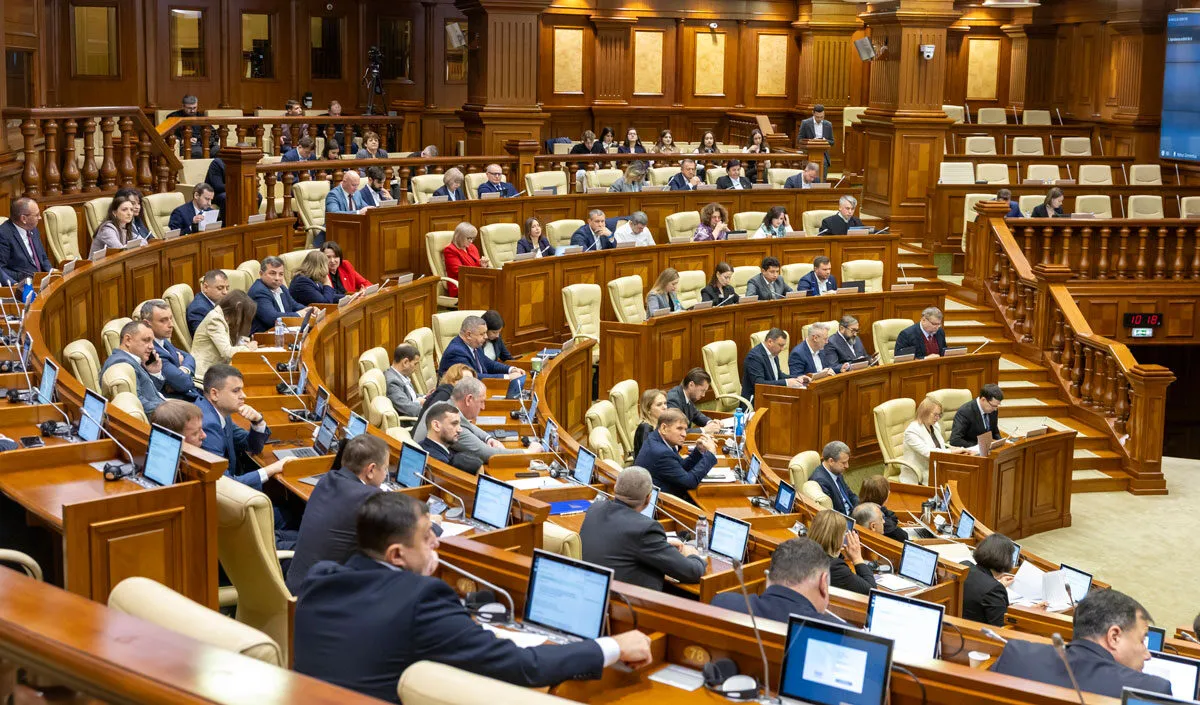
The draft law will be examined by Parliament at second reading. Once adopted, the law will come into force on the date of its publication in the Official Gazette, and the pay rises will apply from 1 January 2027.
Follow our updates
Have information for the newsroom? Share it with Logos-Press


















Comments
0No comments yet. You can start the conversation.
Comments are open to readers with a Logos Press account.
Sign in to comment