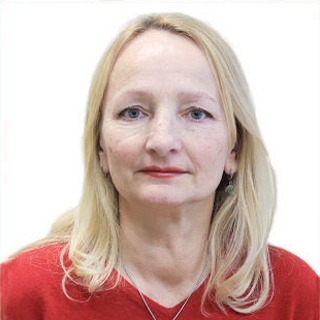

This opinion was expressed by Dumitru Roibu, Chairman of the political party “Alliance of Moldovans” in the context of discussions on the ownership and management of religious buildings in Moldova. He expressed concern about possible state interference in this field.
Revocation of the right of the Metropolitan Church ofMoldova to use churches
The statements followed the decision of the Chisinau Court of Appeal to annul the Metropolitan Church of Moldova’s right to use more than 800 churches, and the position of Culture Minister Cristian Jardan that local communities could determine whether they belong to the Metropolitan Church of Chisinau and the whole of Moldova or the Metropolitan Church of Bessarabia.
According to Roibu, such an initiative could affect the social balance and citizens’ trust in state institutions.
“We condemn the initiative of state interference in the management and ownership of religious buildings in Moldova,” he said. – I believe that this is a dangerous step that can destabilize the social peace and cause conflicts in communities”.
Dangerous initiative
He emphasized that the state should respect the fundamental principles of the rule of law, including the separation of church and government, and drew attention to the role of communities in the maintenance of churches:
“Most of these churches have been rebuilt and maintained for decades through the efforts and sacrifices of believers, local communities and church ministers. Ignoring this fact and treating the temples as administrative objects is not only legally incorrect, but also unjust”.
The politician called on the authorities to show responsibility and avoid politicization of the topic. He also pointed out the risks associated with possible decisions on the redistribution of religious property: “The Metropolis of Bessarabia is not a canonical structure recognized by the whole Orthodox Church,” he said. – Any attempt to transfer property or influence to it through state intervention will cause serious tension in society”.


