

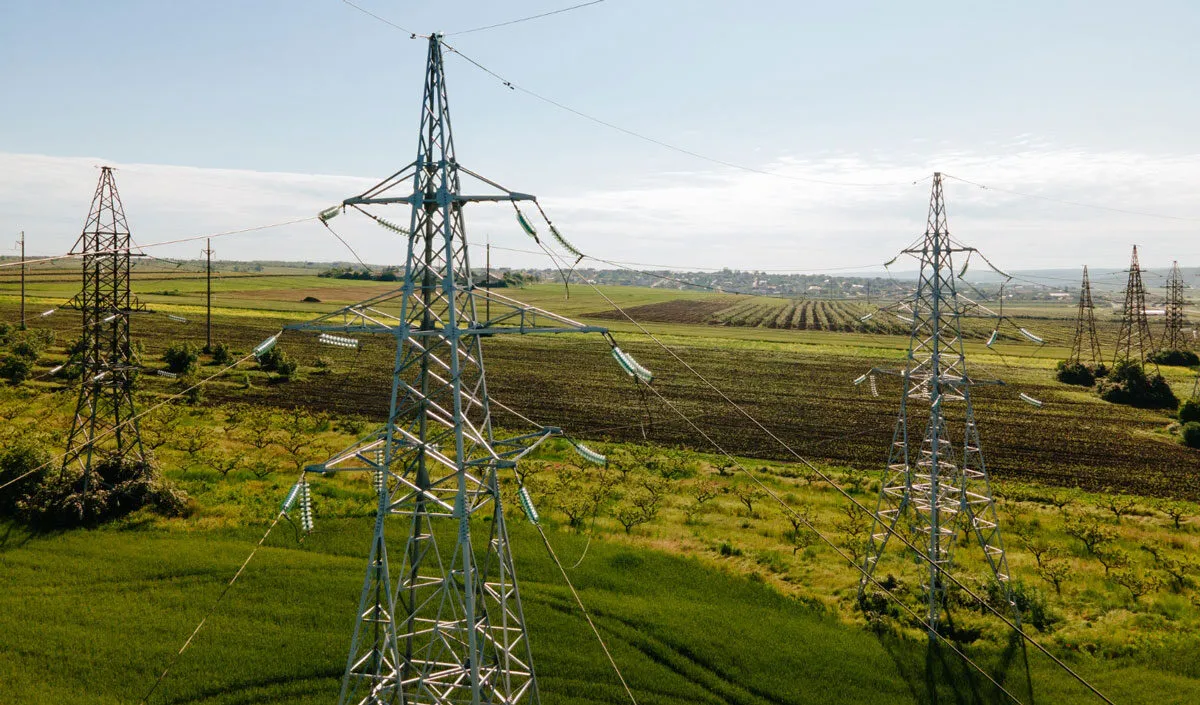
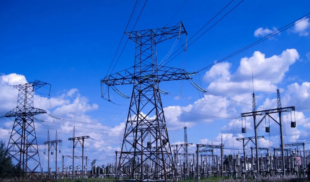
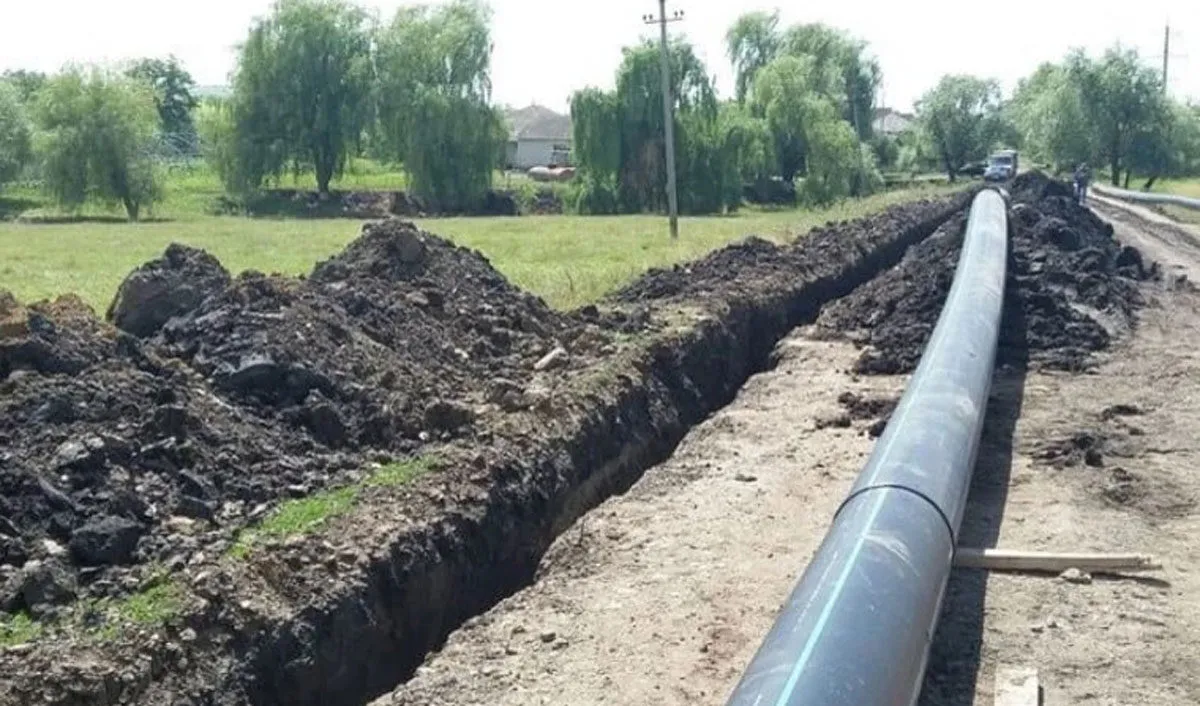
As the OSCE reported on 1 October, the new platform contains highly detailed climate projections and links them to existing energy infrastructure. Users can analyse the potential impact of climate change on hydroelectric, thermal and nuclear power stations, solar and wind power generation, power transmission lines, as well as oil and gas infrastructure.
The platform’s geographical coverage includes South-Eastern Europe, Algeria, Jordan, Ukraine and Moldova.
The tool enables users to assess where energy infrastructure may face increased risks due to rising temperatures, droughts and heavy rainfall, as well as how conditions for wind and solar energy may change.
The analysis uses 60 climate indices selected from a broader set of indicators. These provide data on potential climate risks to existing energy systems with a high level of geographical detail.
A useful energy planning tool
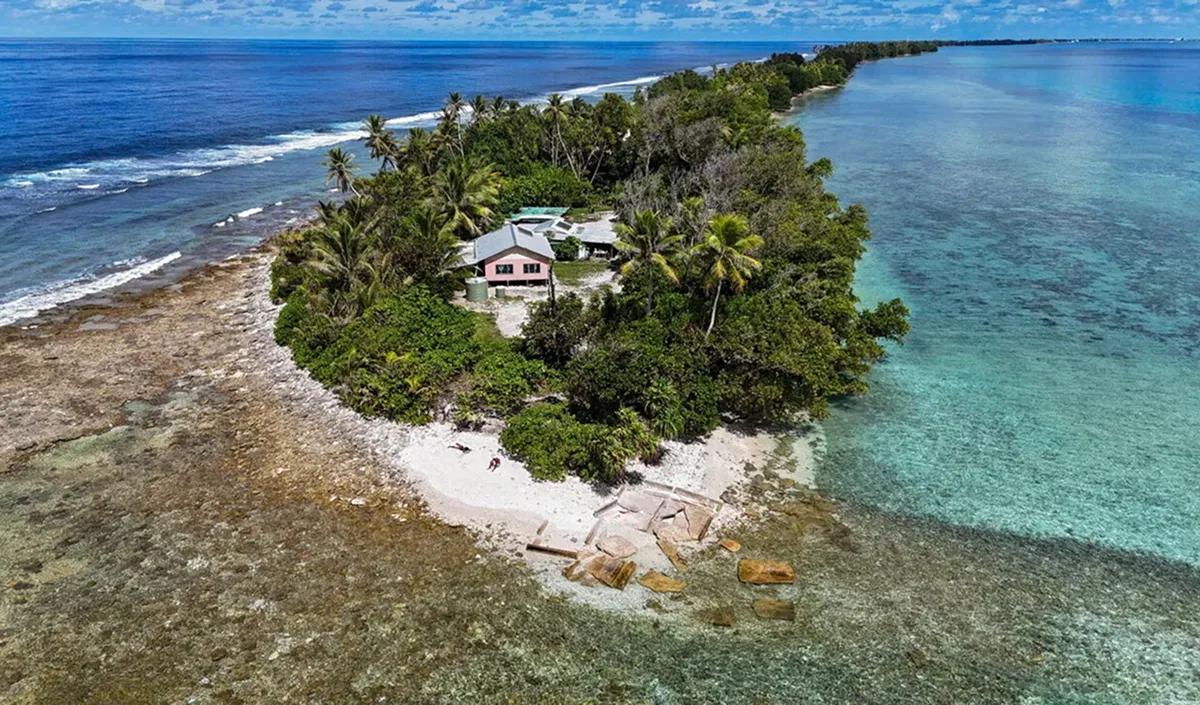
The OSCE attributes the need for such a tool to the growing impact of extreme weather conditions on energy systems. High temperatures, low river levels and more unpredictable weather conditions place additional strain on power stations, grids and hydropower.
According to the OSCE’s assessment, around half of the countries participating in the project rarely, if ever, use climate risk data in their long-term energy planning.
The new platform is designed to provide experts, government bodies and other market participants with location-specific information. This enables climate scenarios to be taken into account when planning infrastructure and assessing the future needs of the energy system.
In particular, the tool makes it possible to identify areas where the potential for solar and wind generation may increase or decrease, as well as to assess where hotter summers could lead to a rise in electricity demand.
For Moldova, the practical significance of the platform lies primarily in the ability to take climate factors into account when developing energy infrastructure. This involves not only protecting existing facilities from extreme heat, droughts or heavy rainfall, but also assessing future conditions for various types of generation.
The OSCE notes that over the next two years the platform will be expanded and is set to move towards a broader analysis of risks to energy systems.
This story was translated with the assistance of artificial intelligence.The translation was also reviewed by the Logos Press editorial team.
Follow our updates
Have information for the newsroom? Share it with Logos-Press















Comments
0No comments yet. You can start the conversation.
Comments are open to readers with a Logos Press account.
Sign in to comment