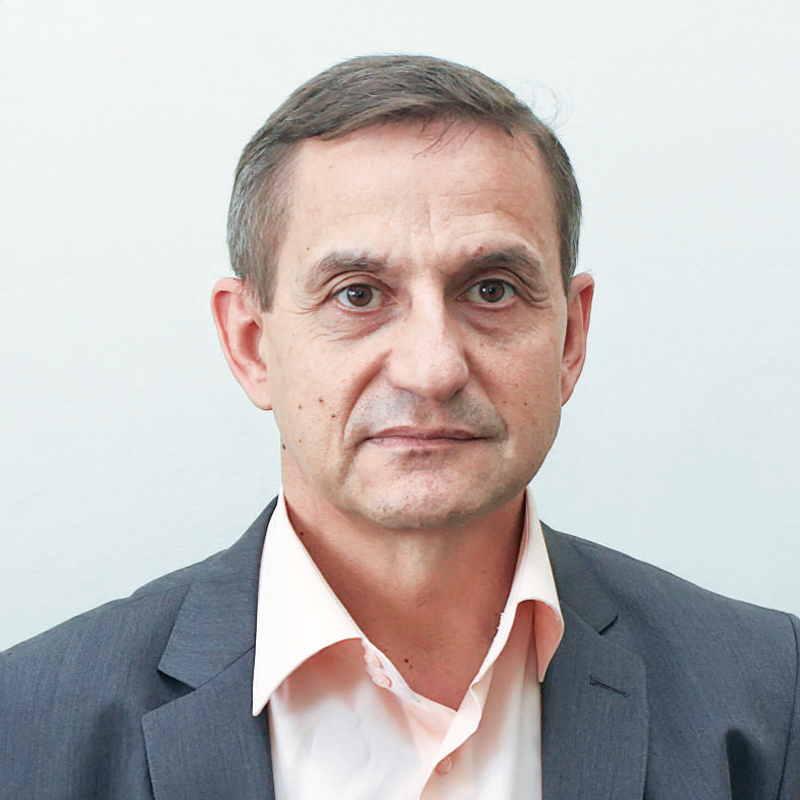

Valeriu Chiveri and Audronė Perkauskienė
The Bureau for Reintegration’s press release emphasizes that particular emphasis was placed on the need to secure the prompt release of unlawfully detained Moldovan citizens and to eliminate the grounds for their prosecution. It also emphasized the removal of artificial obstacles to free movement in the region, including by dismantling the infrastructure of unauthorized checkpoints within the perimeter of the security zone.
Valeriu Chiveri recalled that Tiraspol has failed to resolve a number of problems faced by schools in the region. In particular, he emphasized the need to provide schools where Romanian is taught with their own premises, as well as the importance of introducing Romanian language instruction in other Moldovan schools in the eastern regions.
Dialogue Must Continue
During the meeting, which took place on July 1, participants also discussed the current state of the settlement process, the implementation of the country’s reintegration policy, and the measures being taken by the Chisinau authorities to address the most pressing and important issues facing citizens on both banks of the Dniester.
In this regard, the opportunities provided by the Convergence Fund’s mechanisms were highlighted.
Gratitude was also expressed for the firm and consistent support provided to the Republic of Moldova by the European Union, which makes a significant contribution to advancing the country’s reintegration policy, enhancing its attractiveness and gaining the support of the population in the eastern regions, as well as in strengthening the country’s social resilience and institutional framework in the face of external hybrid risks.
Officials emphasized the importance of continuing dialogue and mutual coordination to advance the process of a final settlement in the spirit of the reintegration policy and to remove all barriers between the two banks of the Dniester River.


