


Victoria Belous
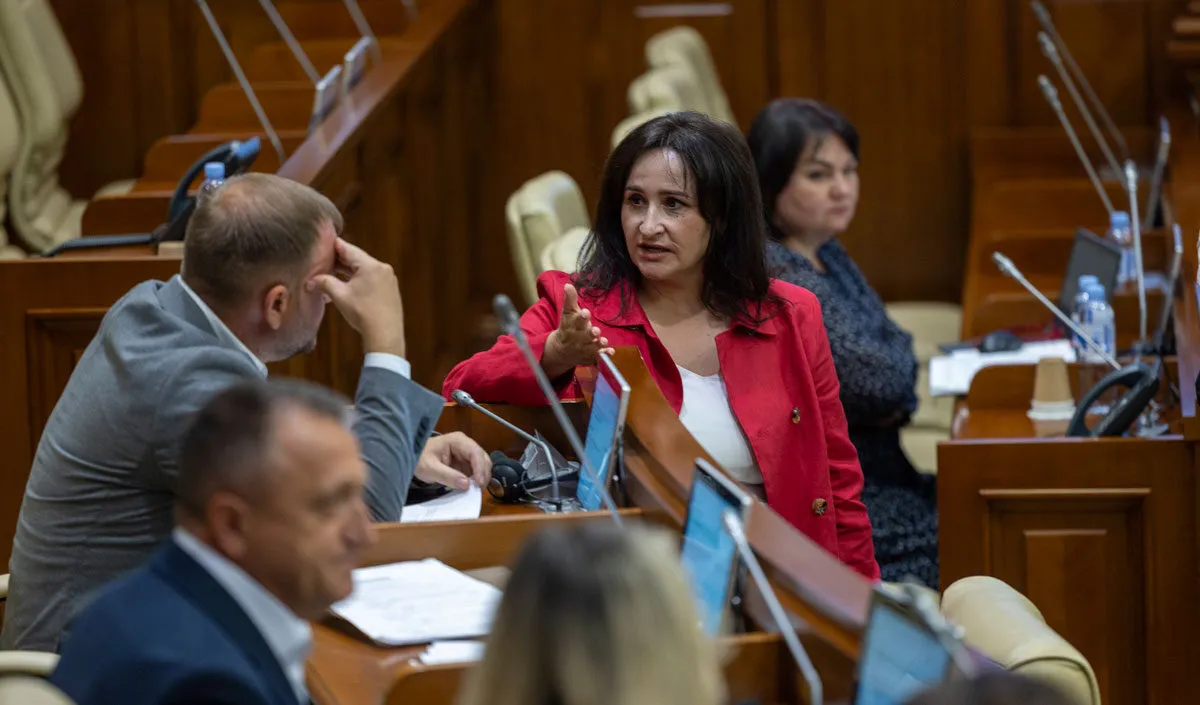
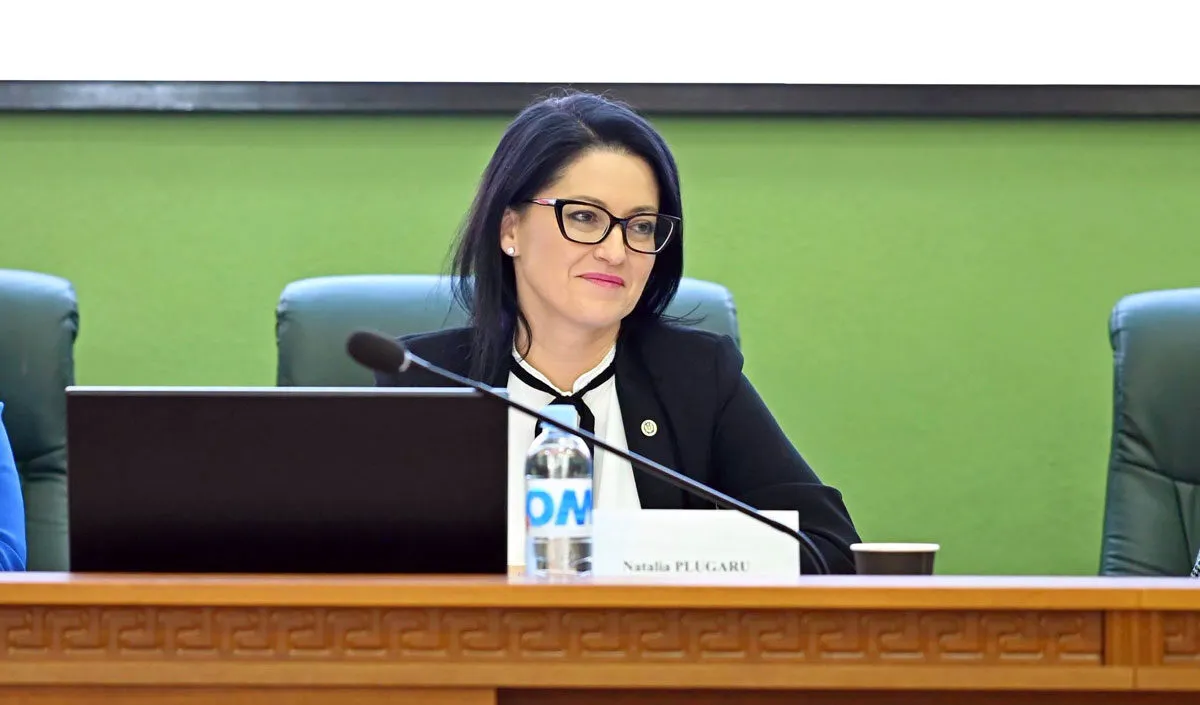
“Every year we pay interest on the loans we have taken out. We have a benchmark that we use when estimating borrowing costs. For the Republic of Moldova, the cost of servicing public debt should not exceed 10 per cent of state budget revenue. Today we are at 8 per cent, and the ideal figure would be around this level. Of course, we would have liked this money to be channelled elsewhere, but this is the budgetary reality we face, and we must bear in mind that our tax rates are not the highest,” said Belous.
The average interest rate on domestic loans has risen to 14.09 per cent per annum, compared with 10.14 per cent in September. The Minister of Finance attributes the high interest rates to inflation and conditions in the domestic market.
In the first half of 2027, when inflation is higher, the Ministry of Finance intends to make greater use of external financing and other liquidity management tools.
It should be noted that, according to the Court of Auditors’ audit, the public sector debt of the Republic of Moldova reached 138.5 billion lei at the end of 2025, equivalent to 39.2 per cent of GDP. The audit found that domestic borrowing is more costly for the state than external borrowing, whilst a significant proportion of the funds raised from abroad for investment projects remains unutilised.
This story was translated with the assistance of artificial intelligence.The translation was also reviewed by the Logos Press editorial team.
Follow our updates
Have information for the newsroom? Share it with Logos-Press























Comments
0No comments yet. You can start the conversation.
Comments are open to readers with a Logos Press account.
Sign in to comment