


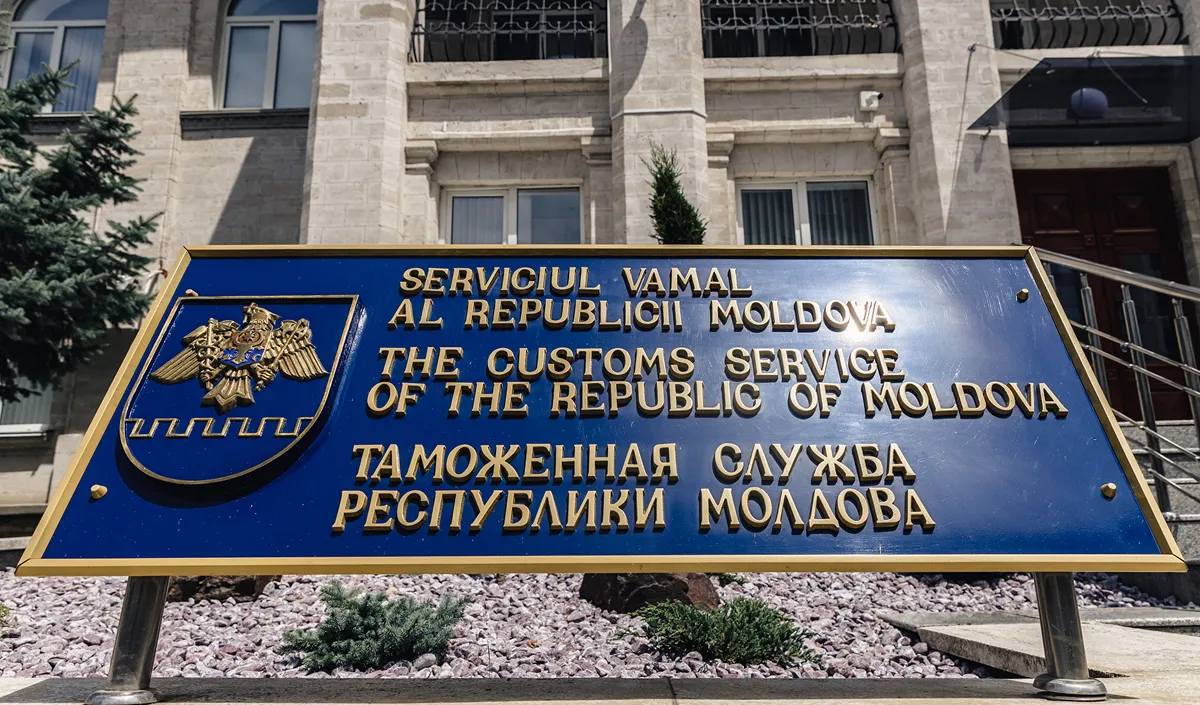
A year later, this collaboration had resulted in 12,330 common transit operations and marked a new phase in the modernisation being carried out by the Customs Service — the implementation of NCTS P6 Opt-in. Since the first successfully processed declaration, the Republic of Moldova has moved towards using and developing a mechanism that simplifies the movement of goods and brings national customs procedures closer to European standards.
Accession to the Convention on the Common Transit Procedure has enabled economic operators to transport goods between participating countries on the basis of a single electronic transit declaration and a guarantee valid for the entire route. For companies and carriers, this mechanism helps to reduce the administrative burden, simplify formalities and increase the predictability of trade operations. At the same time, the electronic exchange of data between customs administrations makes it possible to track and manage operations from the point of departure to the point of destination.
In the first year of the scheme’s operation, the following results were recorded:
– 5,491 general transit operations bound for Moldova;
– 83 general transit operations initiated in Moldova;
– 6,756 general transit operations through the country’s territory.
These results reflect the use of the system both for shipments to and from the Republic of Moldova and for the movement of goods through the country’s territory as part of the general transit network.
Modernisation of the NCTS continues
At the same time, the Customs Service continued to modernise the system. On 1 October 2026, the NCTS P6 Opt-in version, developed over a period of six months, was put into operation. The new version allows for the use of a transit declaration that incorporates security features, combining in a single declaration the information required for both categories of formalities, in accordance with the conditions applicable to the consignment’s route. This functionality is designed to simplify data transfer, reduce the administrative burden and minimise the risk of errors when completing the declaration.
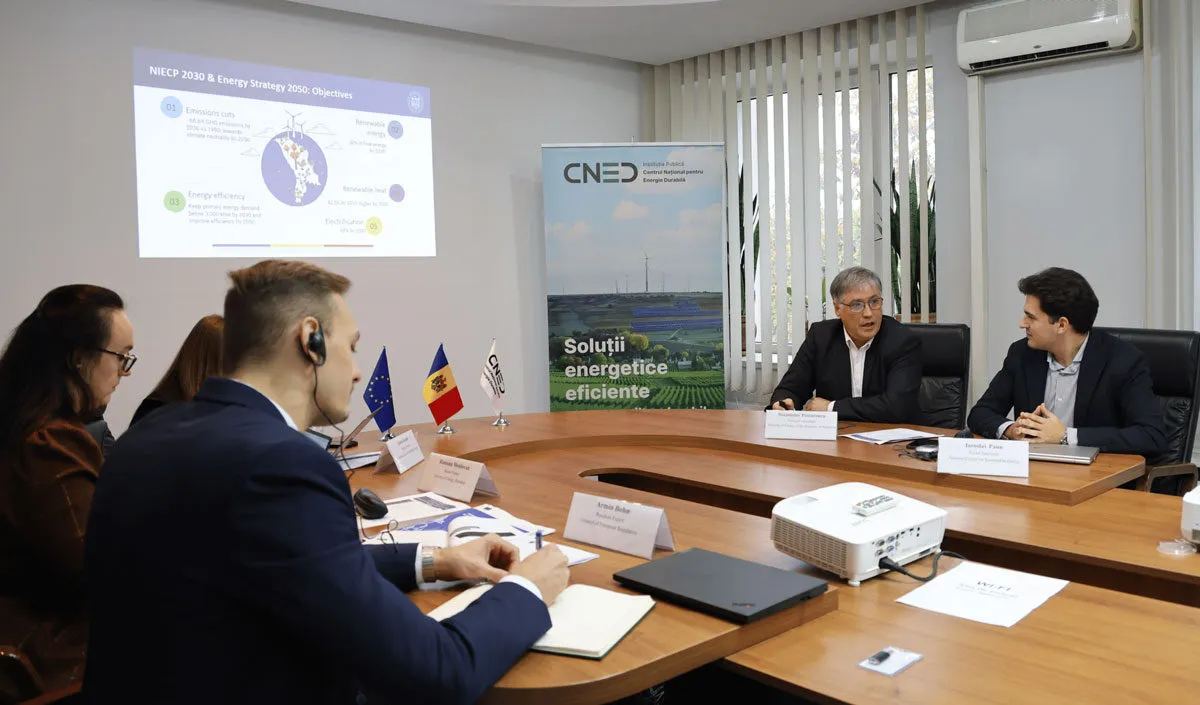
The implementation involved technical preparation, testing and coordination with European partners. To this end, the Customs Service held 12 working meetings with the European Commission’s Directorate-General for Taxation and the Customs Union (DG TAXUD) on the implementation and testing of the NCTS P6 Opt-in.
At the same time, representatives of the Customs Service of the Republic of Moldova actively participated in meetings of the Joint Committee on the Implementation of the Convention and the EU Common Transit Working Group, helping to coordinate procedures and strengthen cooperation between customs administrations.
An important part of this process was preparing the business environment. Over the course of the year, the Customs Service organised six information sessions on the use of the common transit procedure and its benefits, as well as four training sessions on completing the transit declaration, taking security elements into account. User support was supplemented by the publication of the NCTS P6 Opt-in User Guide, containing practical instructions on completing and submitting declarations.
This story was translated with the assistance of artificial intelligence.The translation was also reviewed by the Logos Press editorial team.
Follow our updates
Have information for the newsroom? Share it with Logos-Press






















Comments
0No comments yet. You can start the conversation.
Comments are open to readers with a Logos Press account.
Sign in to comment