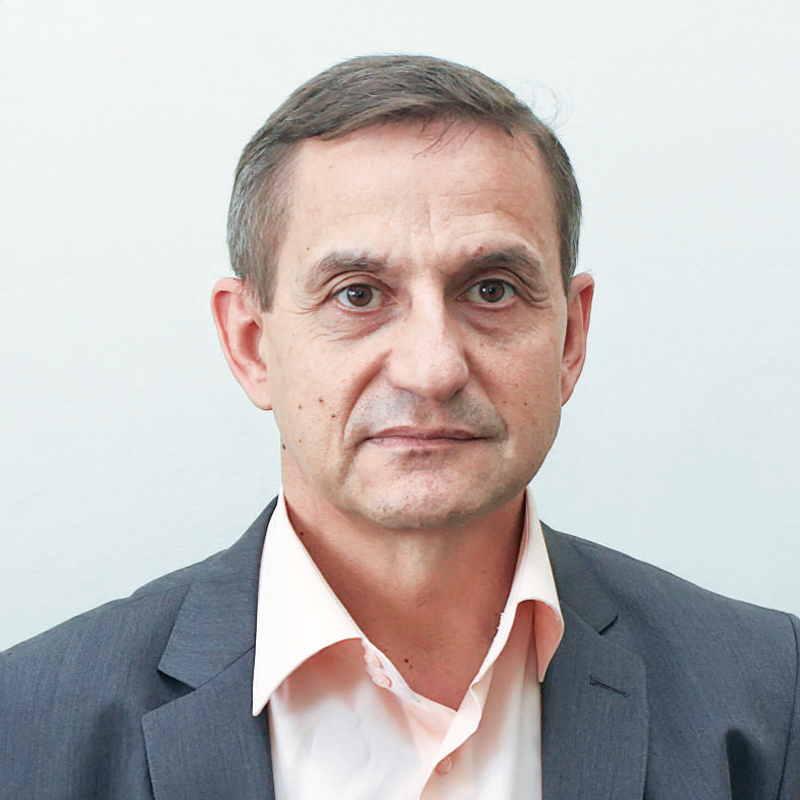

During the meeting, the Vice-Chair of the Council, State Secretary of the Ministry of Interior Diana Salkucan, emphasized that the establishment of the Working Group represents a concrete step forward in strengthening the national quality control mechanism, contributing to better institutional coordination and advancing the preparation for assessments within the Schengen area.
The implementation of the national quality assurance mechanism will contribute to improving public safety and protecting fundamental rights by having a direct impact on border crossers.
The assessment and monitoring process will focus in particular on ensuring adequate treatment and protection of vulnerable groups at the border (women, children, victims of trafficking) in line with international best practices. The results of the assessments will serve as a basis for strategic decisions and prioritization of funding, which will ultimately improve the quality of life of citizens and the travel experience.
Beginning in February 2026, the National Council for Integrated State Border Management assumed the strategic coordination of the National Quality Control Mechanism, an assessment and monitoring tool based on missions conducted in national institutions.
Its role is to identify gaps, vulnerabilities and areas for improvement or investment, supporting both the improvement of the quality of security services and the preparation for European Union assessments in the perspective of Schengen accession.


