


Photo: Moldpres
Women’s economic situation in the country continues to be hampered by significant barriers. According to data for 2024, the employment rate among women stood at just 40 per cent, compared with 45.9 per cent among men. Experts attribute this disparity not to a lack of desire to work, but to the heavy burden of household chores, childcare and a shortage of accessible early-years facilities, such as crèches and nurseries. The ANPCV emphasises that this gap represents enormous untapped potential for the entire national economy.
A unified mechanism instead of piecemeal programmes
There are currently a number of separate programmes in place across the country to support entrepreneurship and employment; however, the new initiative proposes moving away from piecemeal measures. Instead, the plan is to develop an overarching framework that will bring together access to jobs, retraining programmes, the development of digital skills, the expansion of the network of nurseries, business grants and the systematic reduction of the pay gap. At the same time, the authors of the proposal emphasise that the strategy does not require the creation of new bureaucratic structures, but is designed to coordinate existing mechanisms.
The link between financial independence and security
The proposal pays particular attention to women who have experienced domestic violence. The lack of personal income, savings, their own home or the ability to arrange childcare often becomes the main obstacle to leaving an abusive relationship.
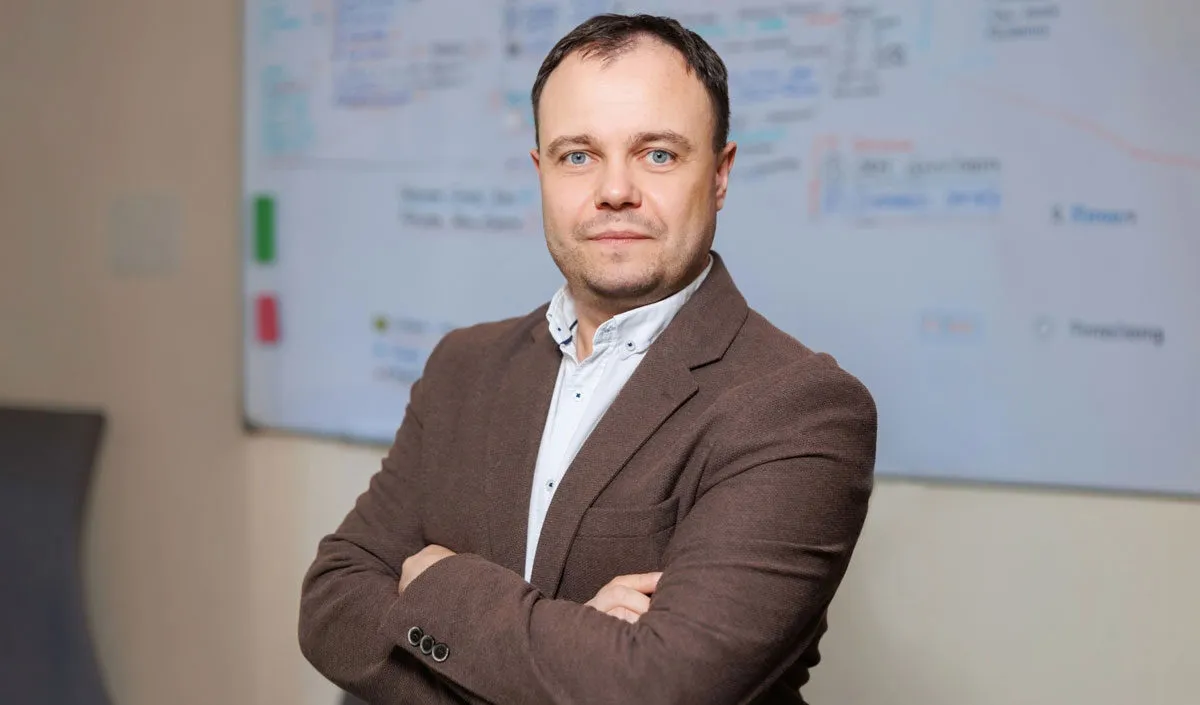
“It is very important to us that a woman who manages to leave an abusive relationship not only receives protection at the time of crisis, but also has a real opportunity to build an independent life,” notes ANPCV Director Viorica Țimbalar.
To this end, support services for victims will work directly with employers, the National Employment Agency, business support programmes and local authorities. The scheme also envisages the provision of temporary accommodation. Once she has a temporary place to stay and is safe, a woman will be able to undertake training, find work, secure a stable income and, in time, move towards a fully independent life.
Implementation mechanism
To ensure the initiative does not remain merely on paper, the ANPCV proposes adopting it alongside a detailed implementation programme, which will specify the responsible departments, sources of funding, timelines and clear indicators of success. It is planned to involve the State Chancellery, relevant ministries, the Economic Council under the Prime Minister, local authorities, the business community, trade unions, civil society organisations and international partners, including UN Women, in the development of the strategy.
According to the initiators, this approach will ensure that women’s economic independence becomes a permanent and reliable element of state policy.
This story was translated with the assistance of artificial intelligence.The translation was also reviewed by the Logos Press editorial team.
Follow our updates
Have information for the newsroom? Share it with Logos-Press


















Comments
0No comments yet. You can start the conversation.
Comments are open to readers with a Logos Press account.
Sign in to comment