


Alexandru Gașnaș
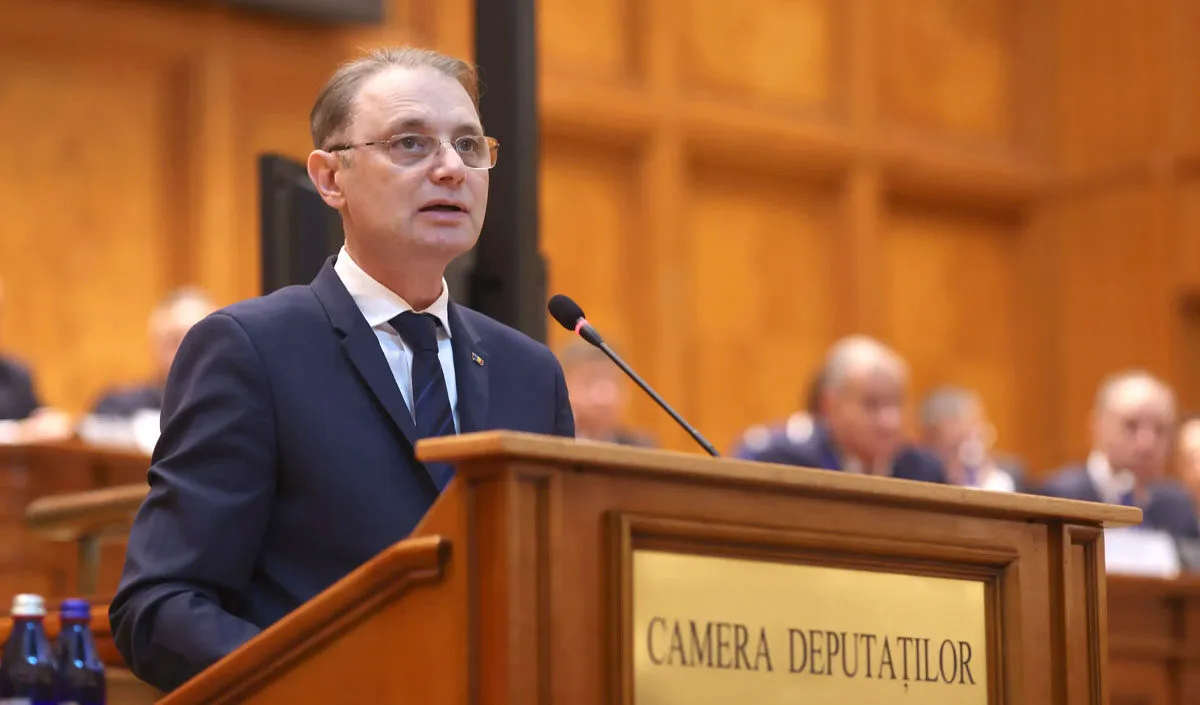
The Minister of Health, Alexandru Gașnaș, explained that full liberalisation is not possible given that there is insufficient competition in the market.
“We cannot, at this stage, liberalise retail prices, because we will not have genuine competition. We propose that over-the-counter medicines classified as essential should have prices set according to the same principle as prescription medicines, in relation to reference countries. These will be subject to price caps. For over-the-counter medicines that are not essential, prices will continue to be controlled, but liberalisation will take place gradually, through adjustments to the trade margin,” the minister said.
Gașnaș explained that the final price of a medicine includes the manufacturer’s price, logistics costs and the trade margin. Rising production and transport costs are putting pressure on prices.
“Price rises are affecting all products worldwide. There are cost increases from a logistics perspective, because the cost of producing a medicine five years ago differs from that of producing one today. Manufacturers come forward and announce these manufacturer’s prices,” the minister explained.
According to Gașnaș, people who benefit from subsidised medicines should not have to bear the costs covered by this scheme directly.
“We will focus on the reimbursement aspect, because patients who have access to subsidised medicines should not feel the burden of this cost. Annually, we reimburse around 1.3 billion lei for medicines and certain medical devices,” the minister stated.
The statements were made in the context of the Single National Mechanism for the Evaluation of Medicines, Medical Devices and Other Medical Technologies Funded from Public Funds, approved by the Government. The new mechanism will enable the comparison of medical technologies and the negotiation of prices, including through agreements designed to reduce financial risks for the state and facilitate access to innovative treatments. Implementation will take place in stages: from 1 January 2027, the mechanism will apply to medicines proposed for public funding; from 2028, to all relevant medical technologies; and from 2029, it will become the sole means of including and maintaining them within the public funding system.
This story was translated with the assistance of artificial intelligence.The translation was also reviewed by the Logos Press editorial team.
Follow our updates
Have information for the newsroom? Share it with Logos-Press
















Comments
0No comments yet. You can start the conversation.
Comments are open to readers with a Logos Press account.
Sign in to comment