

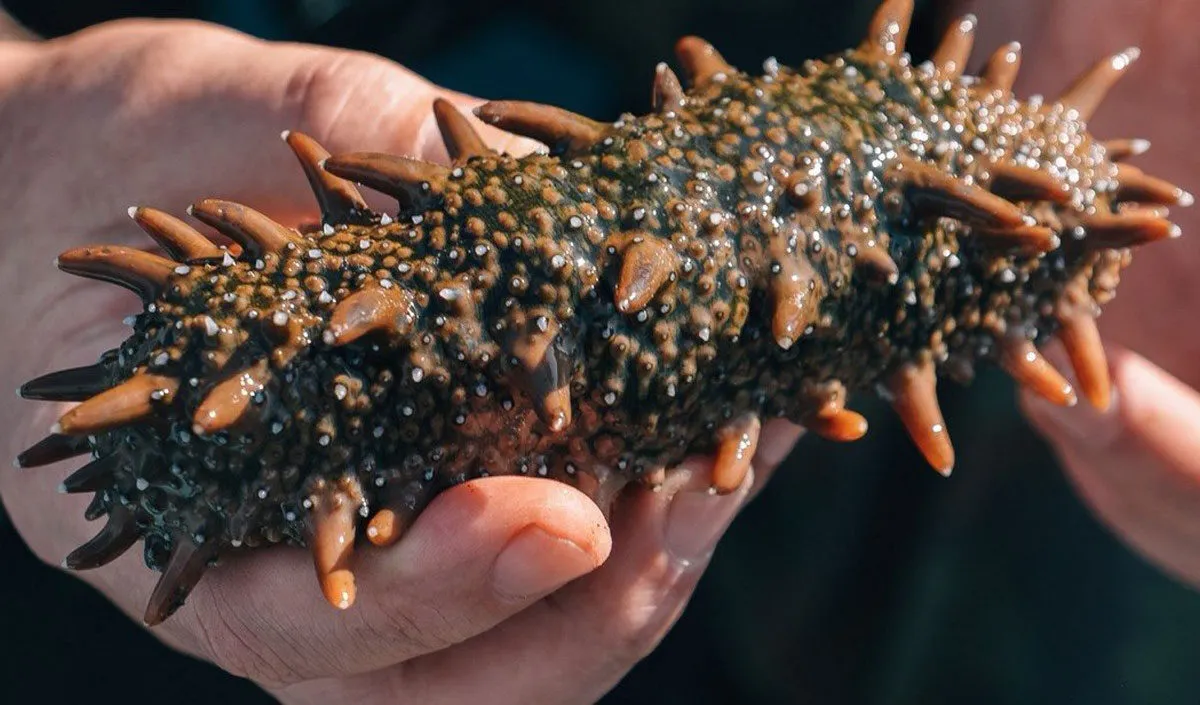
Some species of sea cucumbers cost as much as $3,000 per kilogram. Their illegal harvesting in Mexico has created a multi-million-dollar market, linking local fishermen and cartels with buyers in Asia.
According to Foreign Policy, one such case involves a former US Border Patrol officer, César Daleo. According to the investigation, he acted as an intermediary between Chinese chemical manufacturers and Mexican drug cartels. Substances which he considered to be precursors were sent to Mexico, whilst dried sea cucumbers were transported in the opposite direction.
Between 2014 and 2016, Daleo paid for the smuggling into the US of sea cucumbers of the species Isostichopus fuscus, which is a protected species, on at least 80 occasions. The value of the consignments exceeded $250,000. In 2017, he was arrested whilst attempting to smuggle chemicals from the US to Mexico. In 2019, Daleo was sentenced to 30 months in prison.
According to Wanda Felbab-Brown, an expert at the Brookings Institution, sea cucumbers allow criminal groups to make payments without the need for international money transfers. She says that Chinese participants in this illegal trade are increasingly accepting this commodity in place of cash.
One of the main centres of illegal harvesting is located on Mexico’s Yucatán Peninsula. Around ten years ago, local fishermen could earn more than $1,600 a day during the season. The authorities shut down legal harvesting by 2019 due to overfishing, but illegal harvesting continued.
The Sinaloa Cartel and, to a lesser extent, the ‘New Generation of Jalisco’ Cartel gradually became involved, according to the FT. They paid fishermen high prices and drove out competitors through threats, kidnappings and the takeover of their businesses. Since 2018, the number of sea cucumbers seized at the US southern border has more than doubled.
A similar trade is also developing in South Asia. In India, the harvesting of sea cucumbers is banned, whilst in Sri Lanka it is permitted. Products harvested illegally in India are smuggled into Sri Lanka and then shipped to Hong Kong and mainland China. In February, the Sri Lankan Navy seized 685 kg of processed sea cucumbers, believed to have been brought in from Indian coastal villages.
Sea cucumbers are also of interest for pharmaceutical research. In late September, Russian scientists reported the discovery of two previously unknown compounds with anti-tumour activity in the holothurian Ocnus glacialis from the Chukchi Sea. In laboratory tests, these compounds had the strongest effect on triple-negative breast cancer cells.
Sea cucumbers are marine animals considered a delicacy in a number of Asian countries, particularly in China. They are served at festive dinners and business events, and are also regarded as a symbol of wealth and status. Depending on the species, the price can reach $3,000 per kg.
This story was translated with the assistance of artificial intelligence.The translation was also reviewed by the Logos Press editorial team.
Follow our updates
Have information for the newsroom? Share it with Logos-Press




















Comments
0No comments yet. You can start the conversation.
Comments are open to readers with a Logos Press account.
Sign in to comment