


“The priority needs of this category of farmers, as identified during the seminar, will help the Food and Agriculture Organisation of the United Nations (FAO) to tailor support mechanisms more precisely — ranging from training and advice to ensuring access to technology and financial resources,” the Ministry of Agriculture’s statement noted.
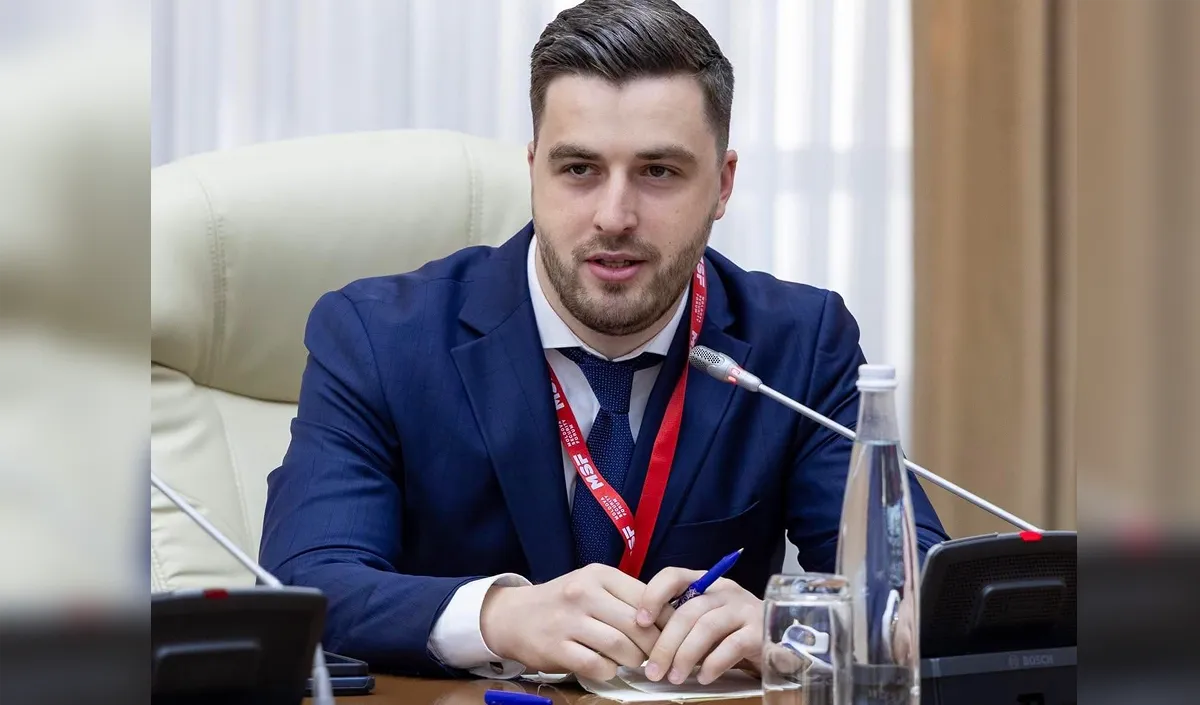
“According to FAO estimates, closing the gender gap in agricultural productivity and farmers’ incomes could boost the global economy by nearly $1 trillion and reduce the number of people facing food insecurity by 45 million. Thus, supporting women farmers is an investment in the global agricultural sector as a whole. As part of the project, implemented with Swiss support, we are using the data obtained today to set up farmers’ clubs that meet the real needs of women and young people in the Republic of Moldova,” said Tudor Robu, Deputy Representative of the FAO in the Republic of Moldova.
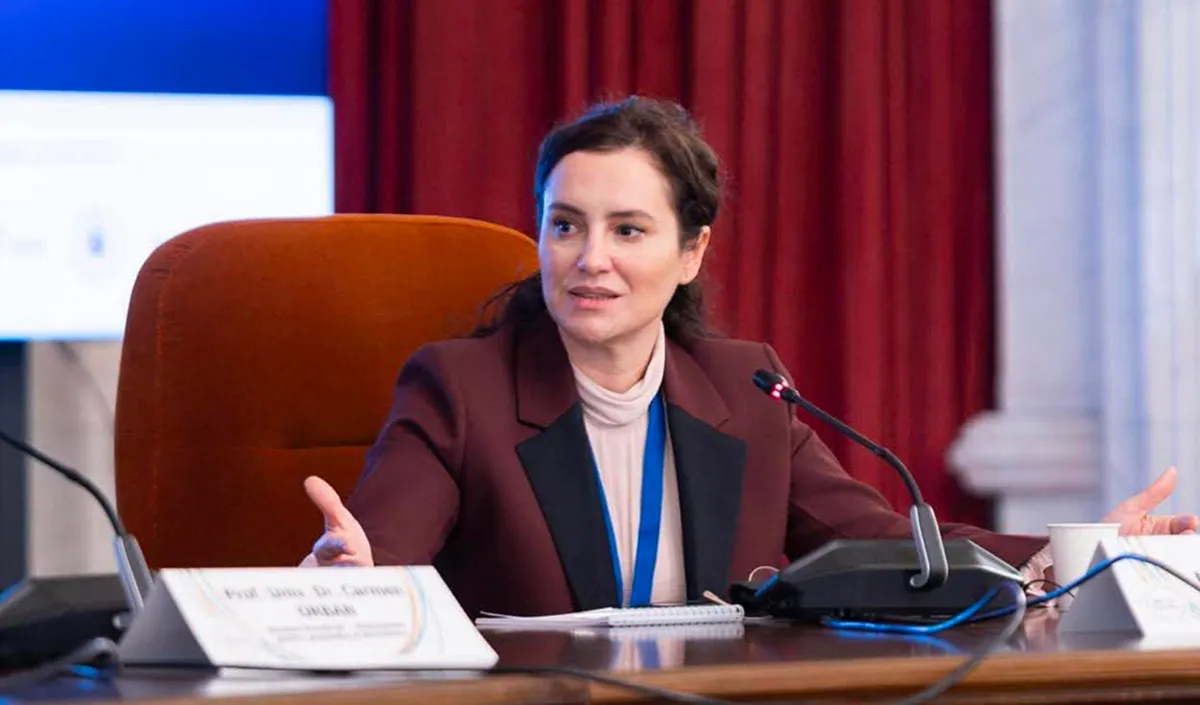
With the support of FAO’s donor partners, there are plans to establish ten ‘Farmers’ Clubs’ in Moldova, designed to develop entrepreneurial, digital and innovative skills among women and young farmers in the country. The clubs are conceived as platforms where farmers can exchange experiences, test new technologies and establish links with advisers, banks and buyers. “Women must play a central role in the transformation of agriculture in the Republic of Moldova — not merely as beneficiaries, but as leaders, entrepreneurs and agents of change. Their experience and ideas are crucial to shaping future support measures: from investments in climate change adaptation to ensuring access to finance and markets,” said Richard Kohli, Director of the Swiss Agency for Development and Cooperation in the Republic of Moldova.
What do women farmers need?
The seminar presented the results of a study covering more than a hundred farms. These findings show that women face a shortage of agricultural machinery almost three times more often than men. Furthermore, over 80 per cent of women report that, due to domestic responsibilities, they have very little time left for training and professional development.
‘The new Strategic Policy Programme for the Agricultural Sector (PSPA), harmonised with the European Union’s Common Agricultural Policy, gives priority to women farmers in all support measures, awarding them additional points when assessing applications for funding and support from the state agricultural support fund. At the same time, we are working with the FAO to develop the National Programme for Enhancing Agricultural Sustainability for 2027–2030, which will include financial instruments to develop production and mitigate risks. “We want women farmers to know that their contribution matters,” said Andrian Digolyan, State Secretary at the Ministry of Agriculture and Food Industry.
Drawing on the findings of the aforementioned study, seminar participants emphasised the importance of investment programmes to provide farmers with small-scale machinery suitable for family farms, as well as the creation of facilities for the storage and processing of agricultural produce. They also called for easier access to finance and subsidies. The women farmers found short-term training courses held directly on farms to be particularly useful.
The seminar in Coșușna was organised by the FAO and MAIA as part of the project ‘Enhancing the Competitiveness and Climate Resilience of Smallholder Farmers in the Republic of Moldova’, implemented with the support of Switzerland. The event was timed to coincide with the International Year of Women Farmers (2026), as proclaimed by the UN General Assembly.
This story was translated with the assistance of artificial intelligence.The translation was also reviewed by the Logos Press editorial team.
Follow our updates
Have information for the newsroom? Share it with Logos-Press








Comments
0No comments yet. You can start the conversation.
Comments are open to readers with a Logos Press account.
Sign in to comment