

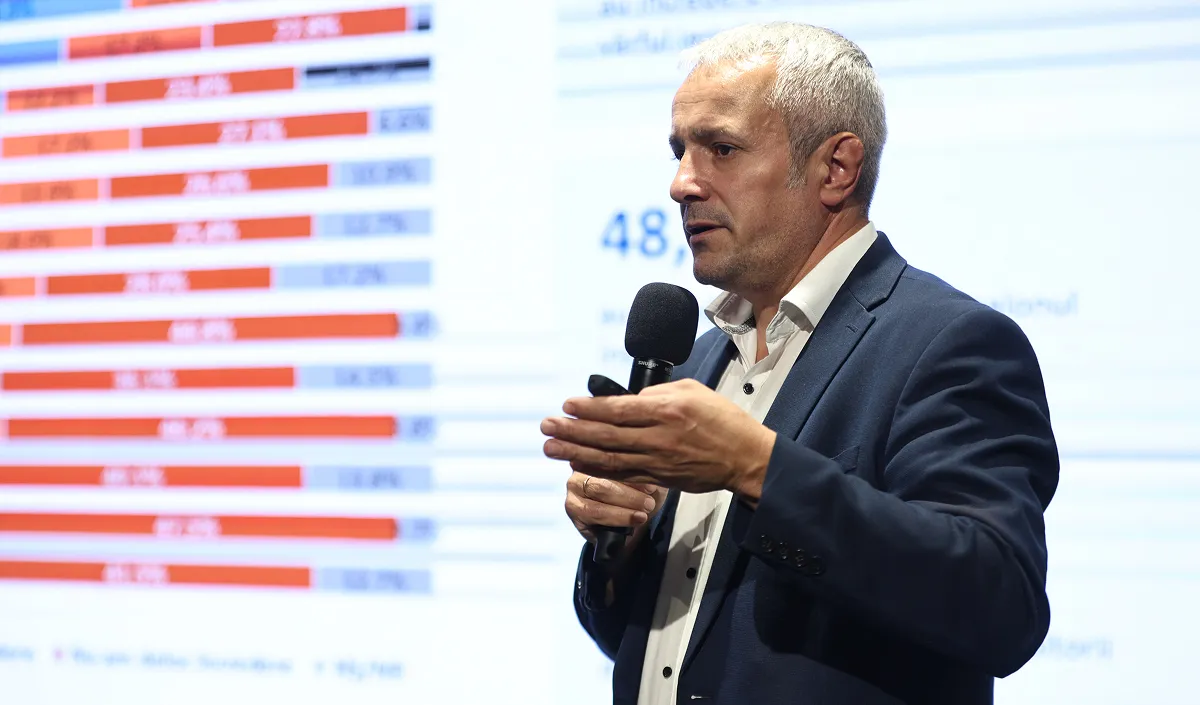
Vasile Cantarji
The results of the sociological study ‘Public Perceptions of Security in the Republic of Moldova’ were prepared by CBS AXA for the Konrad Adenauer Foundation.
Cooperation with international partners remains a priority for the population: 6 out of 10 Moldovans believe that the Republic of Moldova still needs external support to strengthen its security and defence. Almost two out of three respondents consider cooperation with the European Union and Romania to be important for the country’s development.
According to the survey, more than 80 per cent of respondents believe that the Republic of Moldova is not prepared to withstand external aggression.
“The Moldovans’ attitudes can be explained by the consequences of the war on the border and the new weapons used in military conflicts, which also require our country to adapt by strengthening the defence and security sectors,” said Sanda Sandu, a security expert and project manager at the Konrad Adenauer Foundation in the Republic of Moldova.
At the same time, the most frequently cited threats to the country’s security are corruption, poverty and the war in Ukraine, which underlines the fact that the concept of security extends beyond the purely military dimension.
Security does not begin with weapons
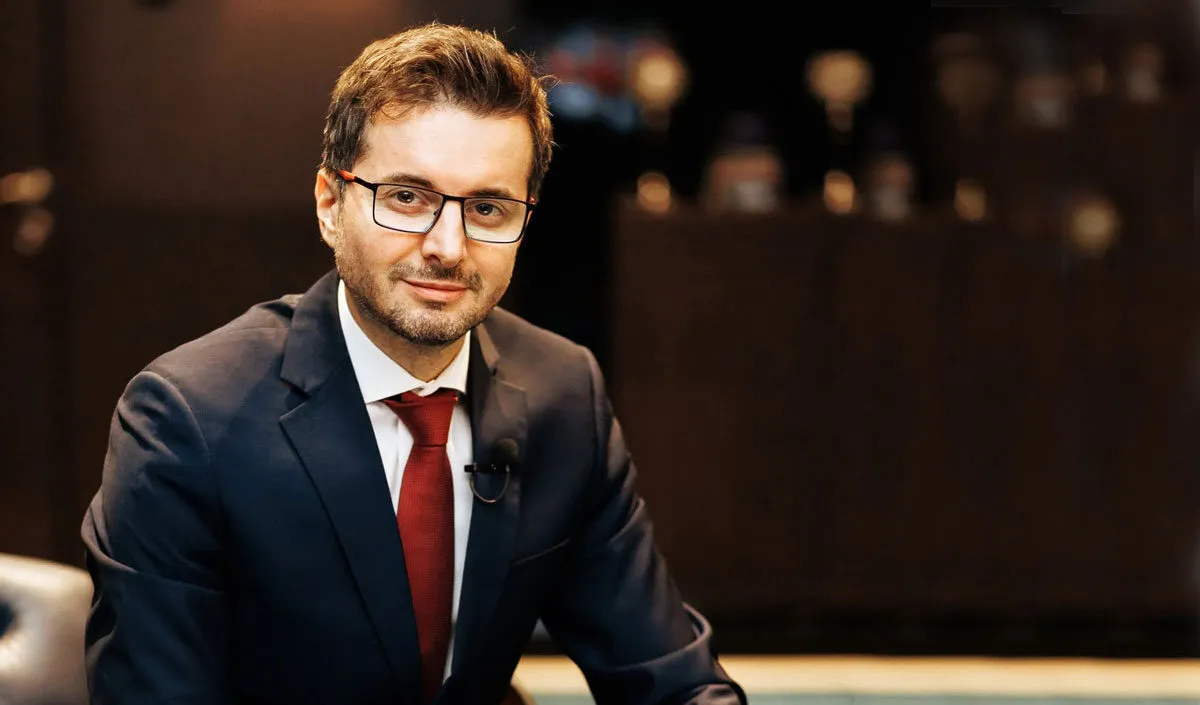
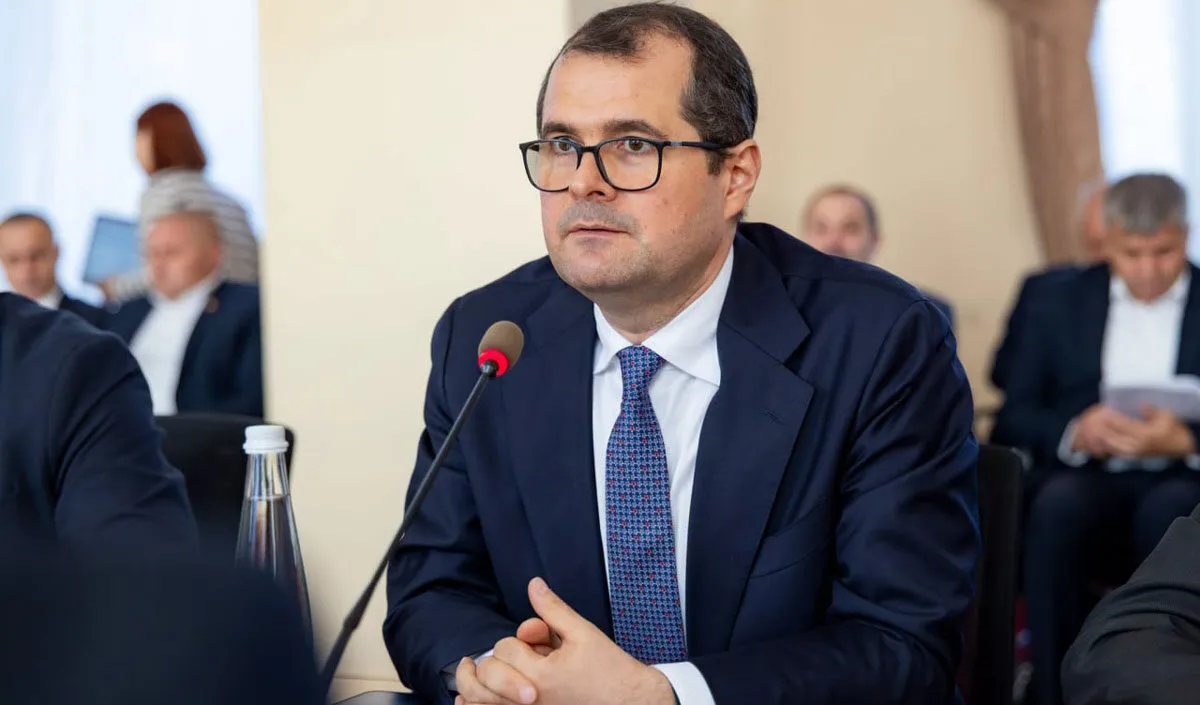
‘The security of the Republic of Moldova does not begin with weapons or the choice of an alliance, but with people’s trust, with access to reliable information, and with the feeling that people are not left alone in the face of risks. Research shows that a third of the population is highly vulnerable in socio-economic and information terms. It is precisely here that indecision and false claims find the most fertile ground. Therefore, the findings should not be viewed as an assessment ‘for’ or ‘against’ any particular geopolitical option. Rather, it is a map of the areas where the state must communicate more honestly and in a way that is closer to the people, and strengthen the resilience of society before a crisis, rather than during it,” said Vasile Cantarji, Deputy Director of CBS AXA.
The data also points to the need for more accessible public communication during crises and emergencies. More than half of respondents, 56.5 per cent, state that they are only slightly informed, or not at all, about the measures that must be followed in such situations. At the same time, 6 out of 10 respondents indicated that they encounter disinformation at least once a week, and social media is perceived as the space most susceptible to manipulation, particularly from external sources.
“We were keen to find out citizens’ views on security and defence — areas of paramount importance to the Republic of Moldova, particularly in the current regional context. Understanding public perceptions is important for decision-making and to ensure that public communication addresses people’s real concerns,” said Arcadia Barberoșie, Executive Director of the Institute for Public Policy.
During the discussions, the need for a comprehensive approach to security was emphasised, one that should include not only the military dimension but also good governance, the fight against corruption, economic and energy sustainability, media literacy and public communication based on verifiable information.
The survey was conducted between 25 August and 9 September 2026 on a stratified, probability-based, nationally representative sample of 2,009 respondents aged 18 and over. The margin of error is ±2.2 per cent.
This story was translated with the assistance of artificial intelligence.The translation was also reviewed by the Logos Press editorial team.
Follow our updates
Have information for the newsroom? Share it with Logos-Press










Comments
0No comments yet. You can start the conversation.
Comments are open to readers with a Logos Press account.
Sign in to comment