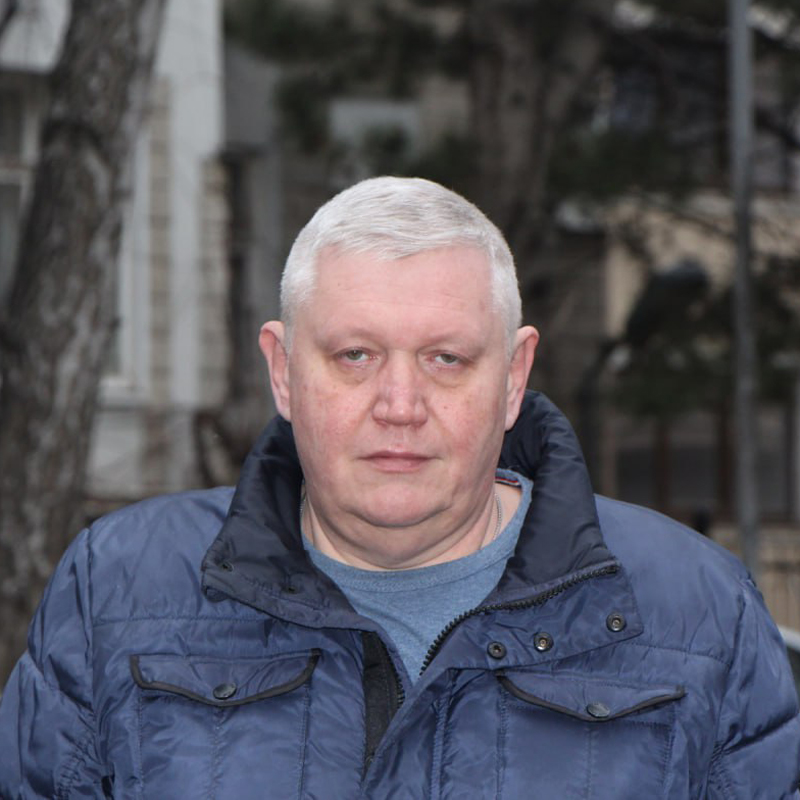

Dan Dungaciu
Dungaciu claims that there has been a shift in tone in official discourse, according to gandul.ro.
Starting with Prime Minister Tofan’s reserved response—in which he stated that he would vote “constructively” in a possible referendum—Dungaciu compared this stance to the firm position taken by former President Maia Sandu.
The sociologist argues that this nuance is no coincidence and indicates that the German ambassador sent a specific signal. Dungaciu says that this signal was subsequently picked up in Chisinau, where increasing attention is being paid to the independence of the Republic of Moldova.
Dan Dungaciu asserts that the Germans realize that reunification is a project that belongs to them. That is precisely why, he says, Germany avoids talking too much about reunification.
Behind this tone, the AUR representative asserts, lies a strategy supported by Germany aimed at bringing the Republic of Moldova closer to the European Union and protecting the region from the influence of Russia and the Trump administration.
At the same time, Dungaciu asserts that Berlin avoids the topic of reunification while promoting Chisinau’s independence, even as the Republic of Moldova attempts to distance itself from events in Ukraine.
Dan Dungaciu compared German reunification to the situation in the Republic of Moldova. The sociologist argues that Germany avoids discussing its own reunification, and in the case of Moldova, this means that it emphasizes the country’s independence rather than a union with Romania.
Dungaciu says that Tofan’s response—“I would vote constructively”—is ambiguous, as he does not state explicitly whether he supports reunification or not. The sociologist compares this phrasing to the evasive answers of the Soviet era, when people avoided stating directly whether something was good or bad and preferred neutral responses.


