



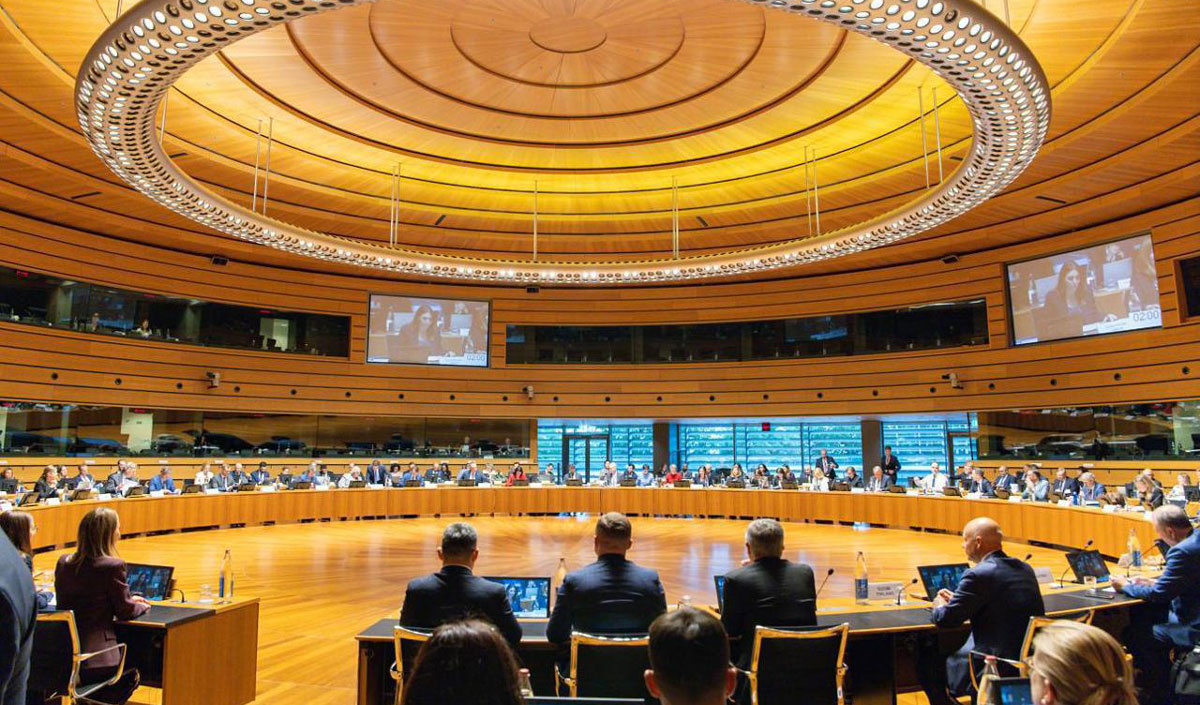
The requests sent to Brussels are intended to ensure the smooth alignment of national legislation with EU standards, protect vulnerable sectors of the economy and minimise financial risks for citizens and businesses. This was discussed during consultations initiated by the Ministry of Finance on the country’s negotiating position as part of the process of accession to the European Union.
In particular, Chisinau is insisting on a gradual adjustment of the tax regime for property transactions and certain utility services to avoid a sharp rise in tariffs. Moldova is also counting on being granted a grace period when adjusting excise duties on fuel and on maintaining existing preferential treatment for entities in the agricultural sector.
A separate point of negotiation has been the adaptation of preferential tax regimes for free economic zones and IT parks, where the authorities are seeking to maintain the country’s investment appeal and protect business interests by bringing state aid rules into line with European standards without causing market shock.
Timeframes for deferrals
The duration of the requested grace periods (transition periods) depends on the specific sector, as each request requires a separate justification to be presented to the European Commission. Chisinau is counting on the following timeframes for key areas:
- For IT parks (Moldova IT Park): The Moldovan authorities have officially requested a transition period of 5–6 years. This period is necessary to enable the park’s residents to retain the unique flat-rate tax of 7 per cent following the country’s accession to the EU.
- For utilities (in particular, VAT on gas and heating): Moldova has submitted a request to maintain the VAT exemption until 2037, followed by the phased introduction of a reduced 5 per cent rate between 2037 and 2039. (In Brussels, this request is currently being contested, with a recommendation to apply standard European mechanisms for reduced rates immediately).
- For Free Economic Zones (FEZs): The Moldovan side is seeking a 10-year transition period in the negotiations. This will allow investors and residents of the zones to adapt smoothly to EU rules on customs duties and state aid.
- Global minimum tax (business request): Moldova’s largest business associations (AmCham, EBA, FIA, ATIC) have called on the government to agree with Brussels on a 6-year transition period for the implementation of the European Pillar II rules (a 15 per cent minimum corporate tax for multinational companies), so as not to hinder the inflow of investment.
The final deadlines for each point will be agreed during technical negotiations, which Moldova plans to conclude by 2028.
This story was translated with the assistance of artificial intelligence.The translation was also reviewed by the Logos Press editorial team.
Follow our updates
Have information for the newsroom? Share it with Logos-Press


























Comments
0No comments yet. You can start the conversation.
Comments are open to readers with a Logos Press account.
Sign in to comment