

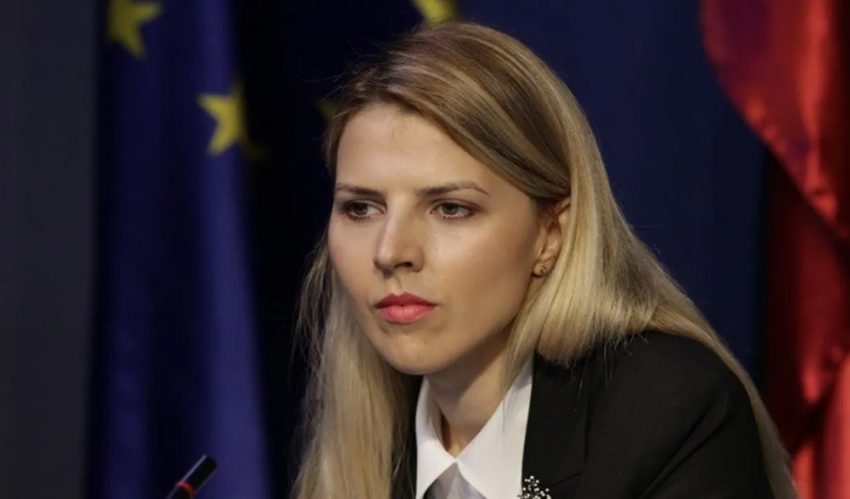
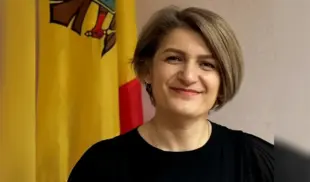
Velislava Petrova-Chamova
According to her, Sofia opposes restrictive measures that are incapable of increasing economic pressure on Moscow and could, at the same time, lead to undesirable political consequences, as reported by 24chasa and Nova.bg.
“When it comes to sanctions that are primarily symbolic in nature and have no real economic impact, Bulgaria is opposed,” said the Bulgarian foreign minister.
The statement came amid EU discussions on the 21st package of anti-Russian sanctions, which must receive unanimous support from all member states of the bloc. Earlier, Politico reported, citing European diplomats, that Bulgaria objects to some of the proposed restrictions, though specific points of disagreement were not named.
According to Bulgarian media reports, Sofia’s position is linked to the possible inclusion of Kirill, Patriarch of Moscow and All Russia, on the sanctions list. The foreign minister confirmed that the country’s authorities do not support such a measure.
According to Petrova-Chamova, freezing the assets of the head of the Russian Orthodox Church could be perceived as EU interference in the affairs of religious organizations and lead to accusations of violating the principle of freedom of religion.
The issue of sanctions against Patriarch Kirill has resurfaced after his name was included in the draft of the EU’s 21st package of restrictive measures. An earlier attempt to impose sanctions on the head of the Russian Orthodox Church was made in 2022, but the decision was blocked by Hungary at that time. Now Brussels is once again considering this possibility as part of the latest round of sanctions pressure on Russia.
The package presented by the European Commission provides for additional measures against Russia’s energy, financial, and trade sectors, as well as new restrictions on individuals and organizations that the EU considers to be involved in supporting Russia’s policy toward Ukraine.
Negotiations among EU countries to agree on the package are ongoing. Its adoption requires a unanimous decision by all 27 member states of the Union.
Follow our updates
Have information for the newsroom? Share it with Logos-Press














Comments
0No comments yet. You can start the conversation.
Comments are open to readers with a Logos Press account.
Sign in to comment