

Emanuel Dunand, Getty Images
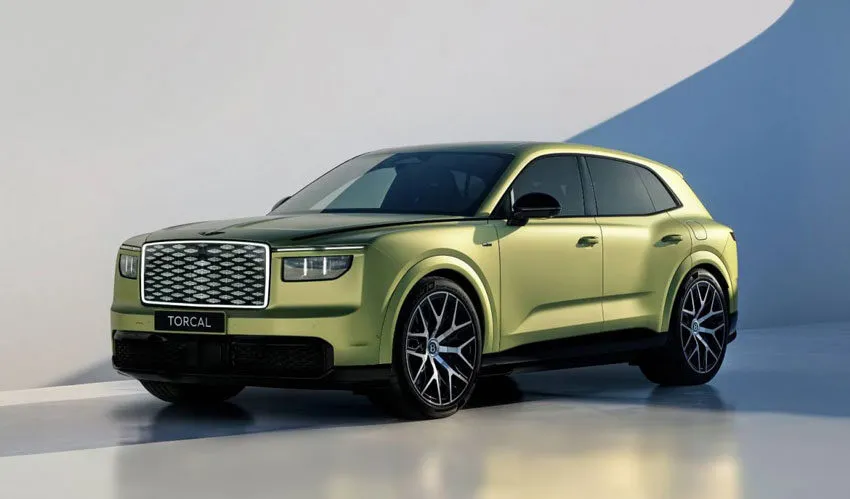
The Torcal is Bentley’s first electric car in the company’s 107-year history and marks a new model line for the brand. The car was developed and engineered at Bentley’s facility in Crewe, in the north-west of England.
The new model was unveiled in London on Wednesday evening. The Torcal has a range of up to 600 km on a single charge and accelerates to 60 miles per hour (97 km/h) in under three seconds.
According to Bentley’s Chairman and Chief Executive, Frank-Steffen Walliser, the company has received “very positive feedback” on the new model. In an interview with CNBC, he noted that interest in electric cars amongst affluent buyers is “growing”, and that customers “have a better understanding of the capabilities of electric technology”.
The Torcal’s debut came three months after the launch of Ferrari’s first electric car, the Luce. It is priced at €550,000, or around $626,000. The Luce’s launch was met with a negative reaction from investors and analysts, including criticism of the car’s design.
When asked whether Bentley had learnt any lessons from the launch of the Luce, Valliser said: “No, not really.” He explained that developing a car takes years, so the company cannot react quickly to competitors’ moves: “It’s a four-year cycle, so you can’t just react to everything a competitor does.”
In developing the Torcal, Bentley sought to preserve the brand’s traditional character, emphasising the car’s design, driving dynamics and distinctive sound.
The launch of the new model comes at a time when car manufacturers are adopting a more cautious approach to high-end electric vehicles. Porsche and Lamborghini have already scaled back their plans to produce their own electric models due to weak demand.
Bentley Motors Limited
This story was translated with the assistance of artificial intelligence.The translation was also reviewed by the Logos Press editorial team.
Follow our updates
Have information for the newsroom? Share it with Logos-Press























Comments
0No comments yet. You can start the conversation.
Comments are open to readers with a Logos Press account.
Sign in to comment