Send us a message, and we will definitely consider your suggestions and comments.
All
Accidents
Agribusiness & Winemaking
Art & Culture
Artificial Intelligence
Banks & Finance
Business & Companies
City & Regions
Culture
Digitalization
Economy & Law
Education
Electricity
Energy
European Integration
Events
Export & Import
FinTech
Gas
Global Economy
Global Markets
Green Economy
Healthcare
Infrastructure
International Trade
Investments & Markets
IT Market
Logos Press Exclusive
Moldova’s Economy
Municipalities
Point of View
Politics & Economy
Pro Business
Renewable Energy
Retail & HoReCa
Social Sphere
Society
Sport & Tourism
Technology & Innovation
Territorial Reform
Top News
Tourism
News
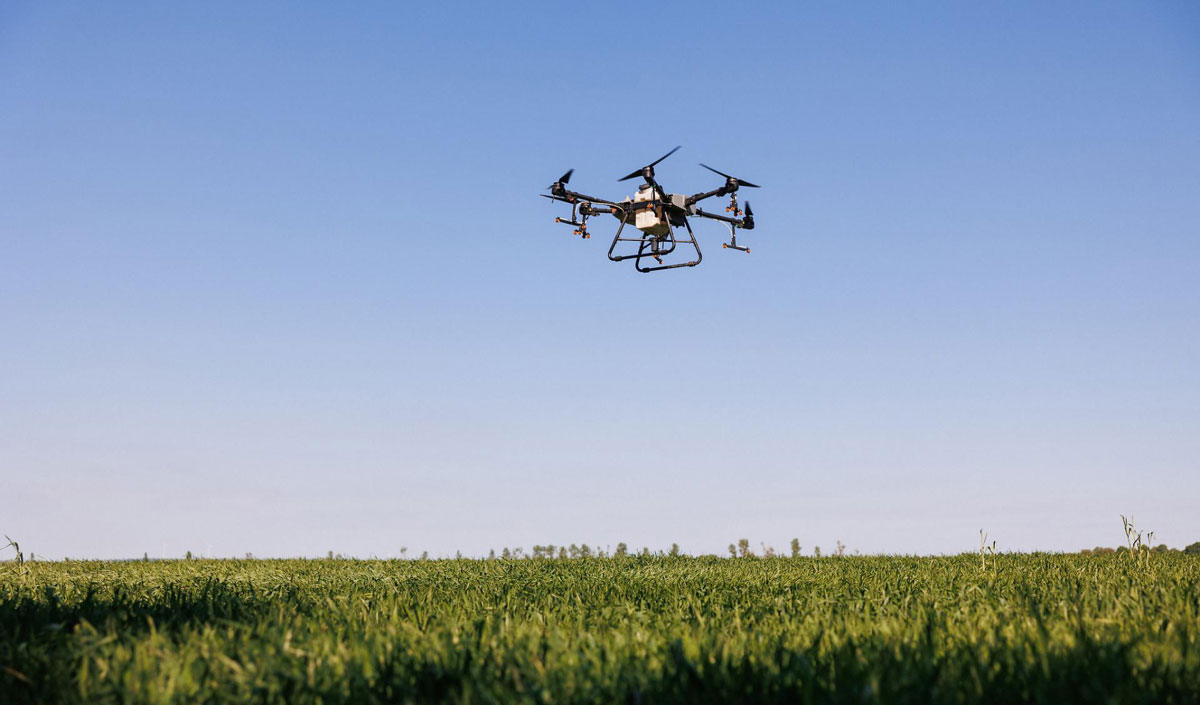
The Moldsilva Agency has announced a government procurement contract for the purchase of 12 unmanned aerial vehicles—two for agricultural use and ten for inspection purposes. The total estimated cost of the procurement is 2.5 million lei, excluding VAT.

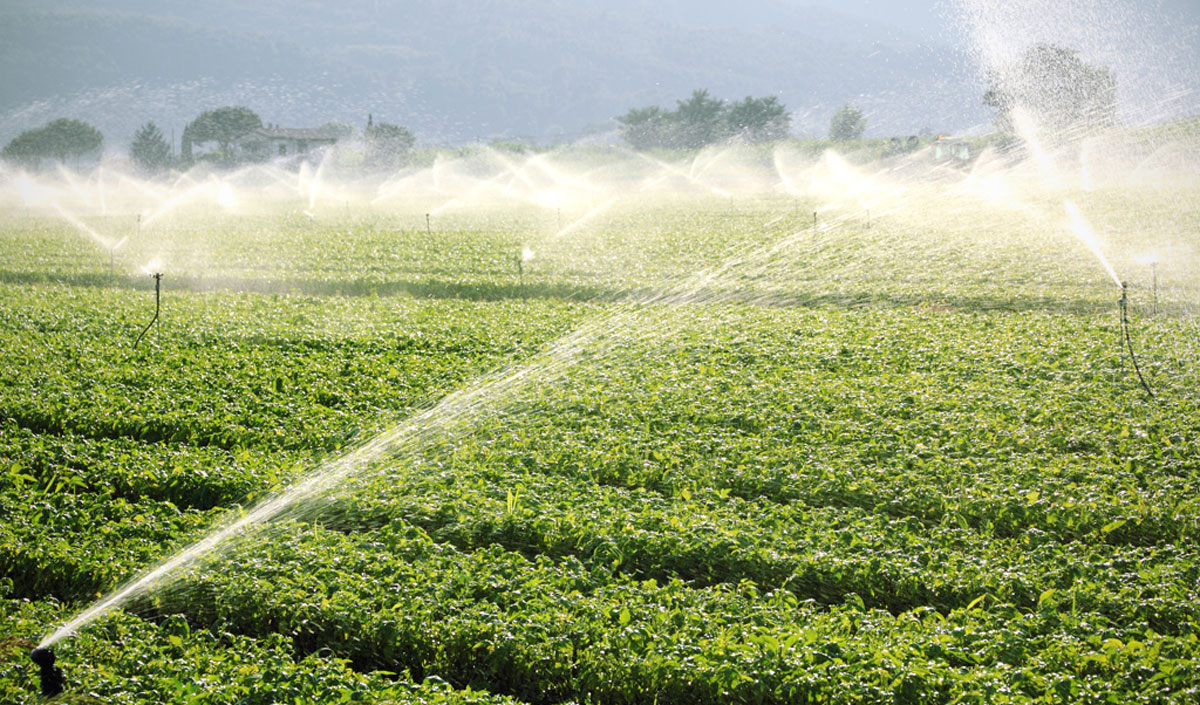
The drought problem is most acute in the south of the country, where the highest number of water stress episodes has been recorded. Under these conditions, the authorities are proposing to explore the possibility of reusing treated wastewater to irrigate agricultural land. For example, in the Kahul, Kantemir, and Keushen districts, an additional 1,817 hectares could be irrigated with treated wastewater. This would increase the total area of irrigated land by approximately 40%.

The Ministry of Agriculture and Food Industry organized consultations on the Strategic Program for the Development of Aquaculture for 2026–2030 (PSSA) with the participation of representatives from associations in the fish and aquaculture production and processing sectors.

Winemakers in southeastern France are facing a new threat in the wake of massive wildfires: even the grapes that survived may be unsuitable for winemaking due to what is known as a “smoky aftertaste.” Producers fear that the aftermath of the fires will cause the industry no less damage than the fires themselves.

In the first half of 2026, producer prices in Moldova’s agri-food sector fell by an average of 4.6% compared with the same period last year. According to data from the National Bureau of Statistics (NBS), this trend was driven by a decline in prices for crop products, while the livestock sector saw a moderate increase in selling prices.

“Granting permission for the visit of the delegation from Afghanistan was a mistake in assessing the situation and in interagency coordination,” said Prime Minister Vasile Tofan. According to him, formal administrative procedures were followed, but the potential political and diplomatic risks were not sufficiently taken into account when the decision was made.

Debts totaling approximately 600 million lei were refinanced under an external assistance program. The funds were provided by the Agricultural Credit Fund (FCA) from March through July 2026. A total of 700 farms received loans. The grant component associated with the loans provided to farmers amounted to 61.02 million lei.

Small livestock farms will be allowed to be located and operate within populated areas, provided they comply with a number of requirements regarding the location of facilities, the number of animals, and compliance with sanitary and veterinary standards. The corresponding bill was drafted by Representative Yuri Levinski, a member of the Committee on Agriculture and the Food Industry.

In the first half of 2026, the number of insolvent agricultural companies in Romania rose by nearly 80% compared to the same period last year. In addition to rising energy and fertilizer prices, another major factor is the pressure from Ukrainian grain imports.

Agricultural production on farms of all categories increased by 8.9% (in constant prices) in January–June 2026 compared with the corresponding period of 2025. Growth in crop production amounted to 8.6%, while growth in livestock production was 9%.

European countries are increasingly turning to an unusual tool to combat wildfires: controlled grazing by sheep and goats. Against the backdrop of more frequent extreme droughts and heat waves, this traditional method is once again becoming part of modern forest protection strategies.

The government must submit a comprehensive report on the consequences of epizootic crises in the livestock sector—including information on the affected farms, the damage incurred, and the compensation paid. This request was made by Liliana Jakoni, chair of the parliamentary committee on public administration and regional development.

This week brought some bad news for Moldovan farmers. Despite serious disruptions in port logistics in neighboring Ukraine, prices for first-group agricultural crops have fallen to a greater or lesser extent.

Parliament repealed its own legislative amendments, adopted just a few months ago, which had transferred management of the Grape and Wine Fund’s treasury account from the National Office for Grapes and Wine (ONVV) to the Ministry of Agriculture and Food Industry.

More than 30 inspectors from the National Food Safety Agency, with consulting support from an expert from Croatia, participated in the development of an assessment procedure, classification, and modernization of authorized enterprises in the milk and meat processing industries, in accordance with European directives. The draft document was prepared during a seminar organized by ANSA’s central office.

The European Investment Bank will provide a preferential loan of 150 million euros to fund the “Livada Moldovei II” project. The government ratified the financing agreement between Moldova and the EIB today.

The draft amendments to the Law on Hunting and the Protection of Hunting Resources provide for the introduction of a fee of 660 lei for the issuance of a hunting license, as well as the option to obtain it in either paper or electronic format. Parliament approved this bill on its first reading.

The harvest of the first group of grain and oilseed crops in Moldova will continue for at least another two to three weeks. The reasons for this are both good and not so good.

Romanian farmers are at risk of becoming the most vulnerable group of diesel fuel buyers. The price of diesel for Romanian farmers surpassed the psychological threshold of 10 RON per liter yesterday.

The Agency for Agricultural Interventions and Payments has completed the verification of applications for financial assistance from farmers who lost most of their corn and sunflower crops in 2025.