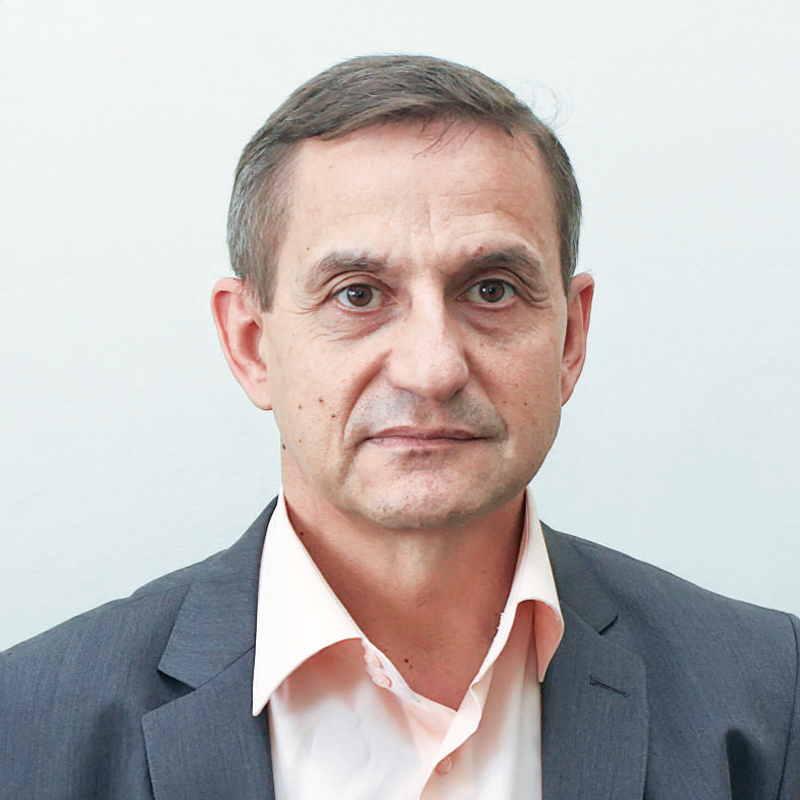

Elon Musk. Foto REUTERS/Tingshu Wang
According to the company, this new approach eliminates the need to remove part of the brain’s membrane and could potentially make neuroimplant surgeries safer and more scalable.
Neuralink is an American neurotechnology company founded by Elon Musk in 2016. It develops brain-computer interfaces for the direct exchange of signals between the brain and digital devices.
The dura mater serves a protective function and is considered one of the most challenging barriers to the implantation of neural implants. Typically, surgeons must make an incision in the dura mater to access the cerebral cortex.
Naturally, Musk couldn’t let this development pass him by. “Neuralink has solved the problem of implanting electrodes through the dura mater! This is a very important achievement, as it significantly improves safety and simplifies interaction with the brain,” he wrote on the social network X.
As the company noted, the procedure was made possible by the development of specialized imaging technologies and high-precision electrode delivery systems. One of the main challenges was that the dura mater can be more than ten times thicker than the electrode threads themselves, which are thinner than a human hair.
An additional challenge is the brain’s constant movement and the need to avoid blood vessels located beneath the meninges.
First clinical result achieved in Canada
Neuralink reported that the first such procedure was performed at Toronto Western Hospital as part of clinical trials.
The company stated that the trial participant was able to control a computer cursor with his thoughts just one hour after the surgery. Neuralink also noted that the patient’s recovery is proceeding as expected.
At the same time, the company emphasized that its devices are still in the research phase and have not yet received approval from the U.S. Food and Drug Administration or other regulatory agencies for widespread use.
Anticipating a Breakthrough in Neurotechnology
Brain-computer interfaces are one of the fastest-growing fields at the intersection of artificial intelligence, medicine, and robotics.
The main goal of such systems is to convert brain signals into commands for digital devices. Potentially, these technologies could be used to assist people with motor impairments, as well as to create new methods of human-computer interaction.
For the commercial development of the industry, safety and the reproducibility of surgical procedures remain key issues. Eliminating one of the most complex stages of the operation could be a factor that increases the number of potential patients, though this will require confirmation in further clinical trials.
Neuralink continues to test its implants, and the results of ongoing studies will determine the extent to which this new surgical technology can be applied more widely.
The company has not yet announced widespread adoption of the device, and further assessment of its efficacy and safety will depend on the results of clinical trials and regulatory decisions.


