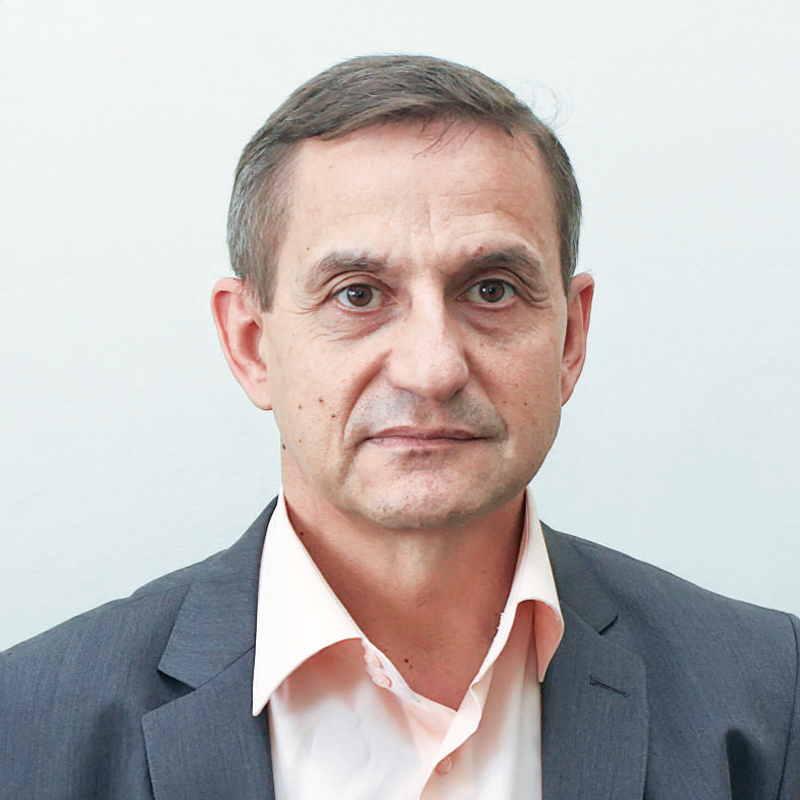

Carolina Novac
The Republic of Moldova views the PNIEC not only as a means of fulfilling international obligations, but also as a foundation for reforming the energy sector, noted Karolina Novak.
According to her, the country’s energy policy is based on three key areas: developing interconnections, diversifying supply sources, and creating opportunities for energy storage.
“The Republic of Moldova’s experience demonstrates that energy security, sustainability, and affordability are not conflicting goals. With the right approach, they can reinforce one another,” emphasized Carolina Novak.
She stated that the energy crisis of recent years has served as a catalyst for reforms aimed at reducing dependence on a single energy supplier and deepening the country’s integration into the European energy market, with the support of Romania, the European Union, and the United States.
Renewables and infrastructure remain key priorities
According to the data presented, the PNIEC aims to achieve a 27% share of renewable energy in final energy consumption by 2030. The new nationally determined climate target calls for a 71% reduction in greenhouse gas emissions compared to 1990 levels.
The development of renewable energy in the country continues at an accelerated pace. According to the State Secretary, in 2025, renewable sources accounted for 24.5% of Moldova’s electricity consumption.
Infrastructure projects are also continuing. Among them, Carolina Novak highlighted the completion of the Vulcănești–Chișinău power line, the development of the Bălți–Suceava and Strășeni–Gutinaș connections, as well as cooperation with Romania and Ukraine in the field of regional energy security.
The gas market is moving toward liberalization
A separate area of reform concerns the natural gas market. According to a representative of the Ministry of Energy, Moldova is continuing its transition to a more liberal market model, including the use of gas storage facilities in Romania and Ukraine.
Carolina Novak reported that as of April 1, 2026, regulated gas tariffs can no longer be applied to large consumers. According to her, the gradual phasing out of regulated tariffs will continue for other consumer categories and will eventually extend to the electricity market.
At the same time, the government is developing programs to support the population and improve energy efficiency.
According to the Ministry of Energy, more than 70,000 vouchers have been issued through the EcoVoucher program to replace inefficient household appliances, and approximately €300 million has been allocated to improve the energy efficiency of buildings.
Karolina Novak emphasized that a combination of infrastructure investments, the development of renewable energy, and regional cooperation should form the basis for further strengthening the country’s energy security.


