
Moldova’s economy is expected to grow by 2.8% in 2026, down 0.2 percentage points from the previous estimate in February, according to a new Regional Economic Outlook report. For 2027, the institution maintains its forecast of 3.5%.
The EBRD points out that economic development in 2025 was mainly supported by agriculture, construction and the information technology and communications sector, as well as solid investments. However, increased imports have deepened the current account deficit, indicating a growing external imbalance.
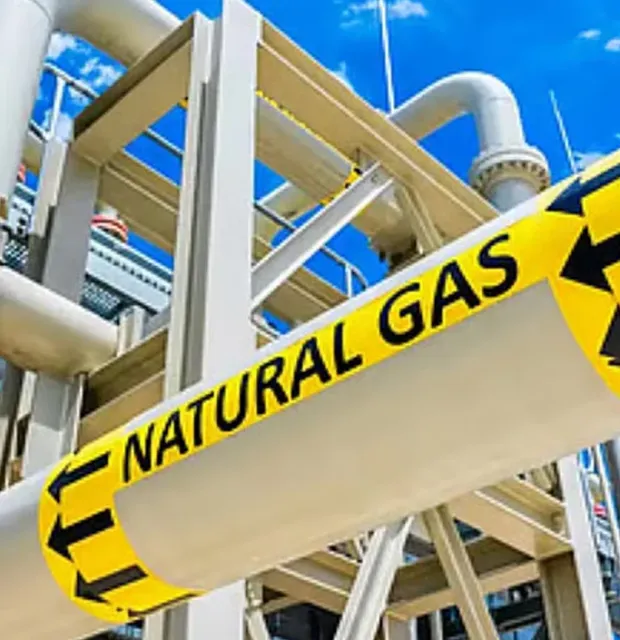
The financial institution emphasizes that Moldova’s economy remains vulnerable to external shocks, especially in the energy sector. The war in the Middle East and the volatility of international markets could increase pressure on energy prices, which could push up inflation again and slow down economic growth.
Inflation is, in fact, back on the rise. After falling to 4.9% in December 2025, the annual rate rose to 5.8% in March 2026. At the regional level, the EBRD notes that average inflation in the countries in which it operates reached 6.4% in April 2026, mainly due to higher energy and food prices.
On the budgetary side, the report indicates a gradual deterioration of Moldova’s fiscal position. The deficit is expected to increase from 4% of GDP in 2025 to 4.8% in 2026 on the back of higher public spending, including on investment and energy cost subsidies. However, the EBRD notes that much of these expenditures are covered by concessional external financing.
At the same time, the European Union continues to play an important role in supporting Moldova’s energy security, including in 2026, helping to stabilize the economy and reduce structural vulnerabilities.
The EBRD identifies Moldova as one of the countries most exposed to the effects of conflict and the energy crisis, in particular due to its high dependence on energy imports and budgetary constraints. The organization warns that without strengthening economic and energy resilience, pressures on economic growth could persist in the coming years.