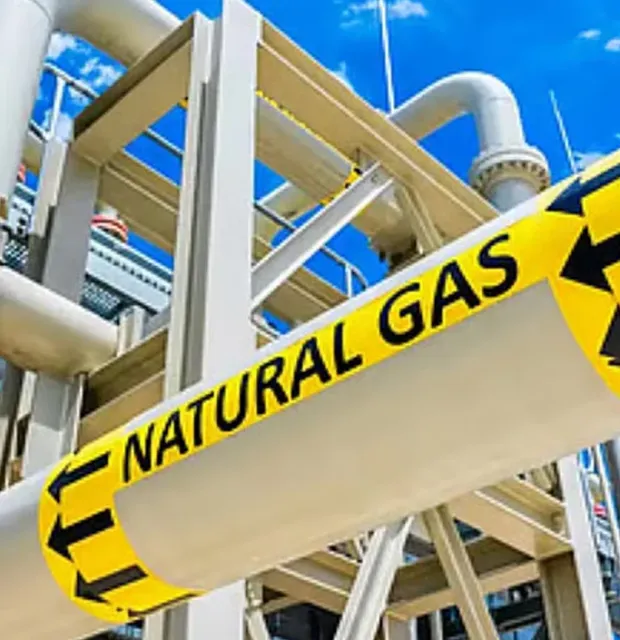

As a reminder, on July 16, the state-owned company Energocom submitted a proposal to the National Energy Regulatory Authority (ANRE) to increase the regulated natural gas tariff for residential consumers by 45.2%—from 13.35 to 19.38 lei per cubic meter, excluding VAT. Including VAT, the price could rise from 14.42 to 20.93 lei per cubic meter if the regulator approves the request.
Energocom attributed the need for a price adjustment to a significant increase in the cost of purchasing gas on the European market, caused by external factors beyond the supplier’s control. The company notes that the escalation of the conflict in the Middle East and increased regional tensions have led to rising exchange prices and high price volatility on European gas markets.
When the current tariff was approved at the beginning of the year, the calculation was based on a weighted average gas purchase price of €404.24 per 1,000 cubic meters. However, from January through July 2026, the actual average purchase price rose to €423.28 per 1,000 cubic meters, and from August through December, according to the company’s estimates, it will reach approximately €623.54 per 1,000 cubic meters.
According to Energocom, the current tariff no longer covers the supplier’s costs. Over the first seven months of the year, a tariff deficit of approximately 106.8 million lei accumulated. The proposed adjustment, the company claims, will allow it to offset economically justified costs and avoid further accumulation of financial shortfalls.
Slusar: The Order Came from Above
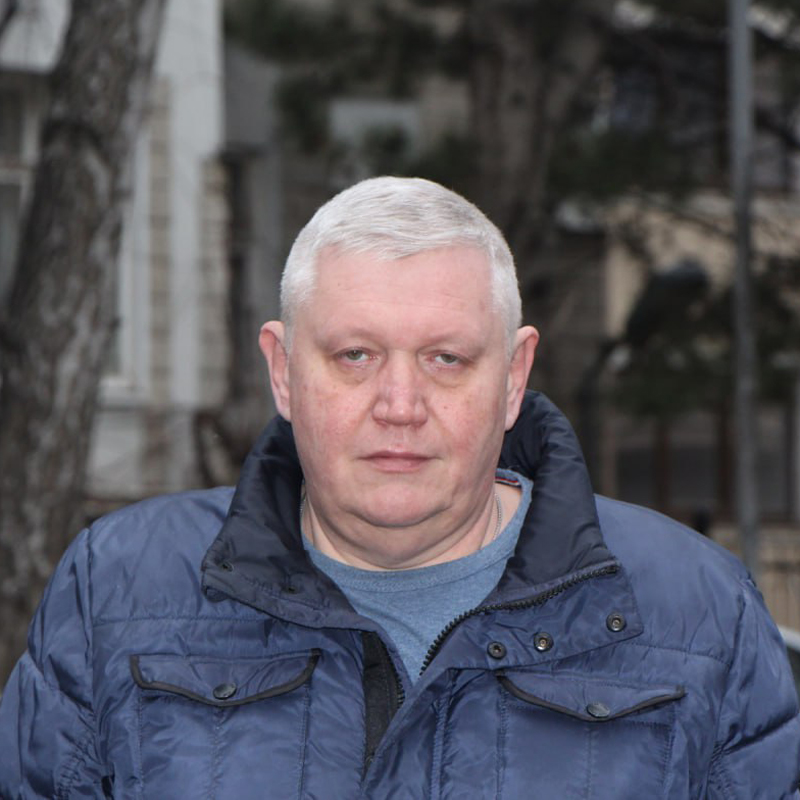
Alexander Slusar, a former member of Energocom’s Board of Directors who resigned after submitting the application for a rate increase, stated that the request to raise the gas rate was sent to the National Energy Regulatory Authority (ANRE) without any discussion of the matter. According to him, the decision was made on orders from above.
Appearing on a Moldovan television channel, Slusar recounted the events of the day Energocom submitted its request to ANRE. He said that until the afternoon, the issue of raising tariffs had not been discussed at all.
“There wasn’t the slightest discussion on this issue. It was a gross and flagrant violation of procedure, something that hasn’t happened even once in the last three years,” he said.
When asked who had insisted on submitting the application, Slusar stated that, based on a conversation with the director, he had concluded that the decision had not been made by the company’s management.
“From what the director said, I understood that the order came from above. I don’t want to say exactly who it was from. I assume it was from the Ministry of Energy, but I have no proof,” he noted.
A Strange Situation
This situation raises many questions, not least because at the end of December last year, Energocom reported that between May and December 2025, it had purchased 8.33 million MWhof natural gas—equivalent to approximately 782 million cubic meters—to fully meet the country’s gas needs through September 30, 2026.
Therefore, raising the tariff on gas purchased at the end of last year is a decision that defies all laws of economics and common sense.
If, however, we are talking about new purchases of natural gas, then such a proposal must be justified.
Moldovan politician Irina Vlah recalled that a year ago, the government provided a state guarantee for a 400 million euro EBRD loan to purchase gas and ensure energy security. According to her, Energocom had previously received a 300 million euro loan from the EBRD as well. At that time, the authorities stated that these funds would allow them to build up gas reserves in advance and avoid rate hikes.
Vlah noted that Energocom is now asking the National Energy Regulatory Agency (ANRE) to raise rates, citing an increase in the purchase price of gas in the second half of 2026.
The politician demanded disclosure of how much of the 400 million euro loan has already been received and how the funds were spent, why the necessary gas reserves were not built up, and whether the costs of repaying the loan were included in the application for the rate increase.
In addition, she called for the publication of a detailed report on the use of the previous €300 million EBRD loan.