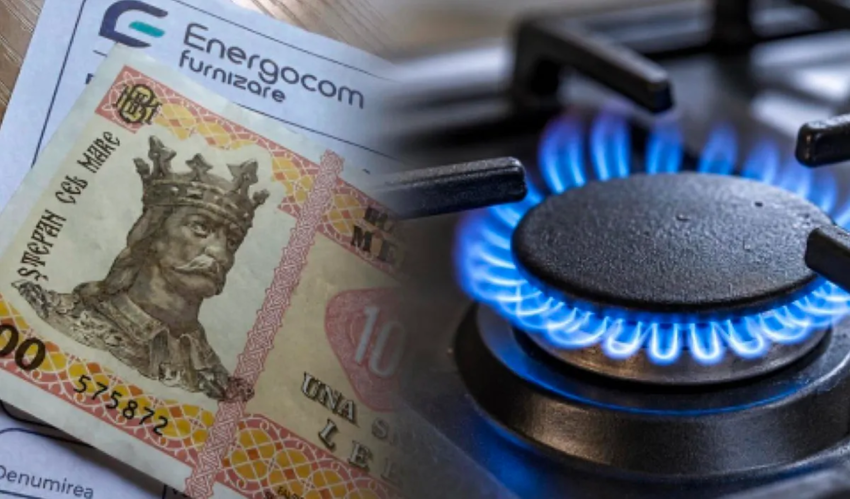
Collage "SP"
NARE reported that it has already received the company’s submission and has begun analyzing the calculations provided. Once the review is complete, the agency will prepare its own draft decision, which will be submitted for public consultation. The regulator emphasized that a final decision on whether to increase, modify, or reject the proposed tariff will be made only after reviewing all the materials.
Energocom explained that the price revision was necessary due to a significant increase in the cost of purchasing gas on the European market, caused by external factors beyond the supplier’s control. The company notes that the escalation of the conflict in the Middle East and increased regional tensions have led to rising exchange prices and high price volatility on European gas markets.
When the current tariff was approved at the beginning of the year, the calculation was based on a weighted average gas purchase price of €404.24 per 1,000 cubic meters. However, from January through July 2026, the actual average purchase price rose to €423.28 per 1,000 cubic meters, and from August through December, according to the company’s estimates, it will reach approximately €623.54 per 1,000 cubic meters.
According to Energocom, the current tariff no longer covers the supplier’s costs. Over the first seven months of the year, a tariff deficit of approximately 106.8 million lei accumulated. The proposed adjustment, the company claims, will allow it to offset economically justified costs and avoid further accumulation of financial shortfalls.
According to calculations submitted to NARE, the regulated price excluding VAT will be 14,799 lei per 1,000 cubic meters at high-pressure network exit points, 15,868 lei at medium-pressure network outlets, and 19,378 lei at low-pressure network outlets, to which most residential consumers are connected.
Eugene Buzatu, acting CEO of Energocom, stated that at the beginning of the year, gas was purchased at approximately €30 per megawatt-hour; however, following the escalation of the situation in the Middle East, the price rose to approximately €56 per megawatt-hour. According to him, the company will continue to monitor the situation on international markets and, if purchase prices fall, will again approach the National Energy Regulatory Authority (NARE) with a proposal to revise the rates downward.
Follow our updates
Have information for the newsroom? Share it with Logos-Press